Instead of receiving just one plate, I was sometimes presented with an entire table of food. There might be Moroccan breads and pancakes, honey and other spreads, olives, eggs, cheese, fruit, orange juice, coffee and tea. Some mornings I wasn't even sure what everything on the table was!
One morning I was served a warm, grainy porridge made with grain and milk. It reminded me a little of oatmeal, although the texture and flavor were different from breakfasts I normally eat at home. Morocco has several traditional grain porridges and breakfast soups, including ones made from barley or wheat.
After crossing the Strait of Gibraltar into Spain, I noticed a big change. Breakfast in Spain is generally much lighter. Instead of a table covered with food, breakfast might simply be coffee with toast, sometimes topped with olive oil and tomato, butter or jam. Pastries are also common. After getting used to the large Moroccan breakfasts, the difference was immediately noticeable, especially when I had several hours of cycling ahead of me!
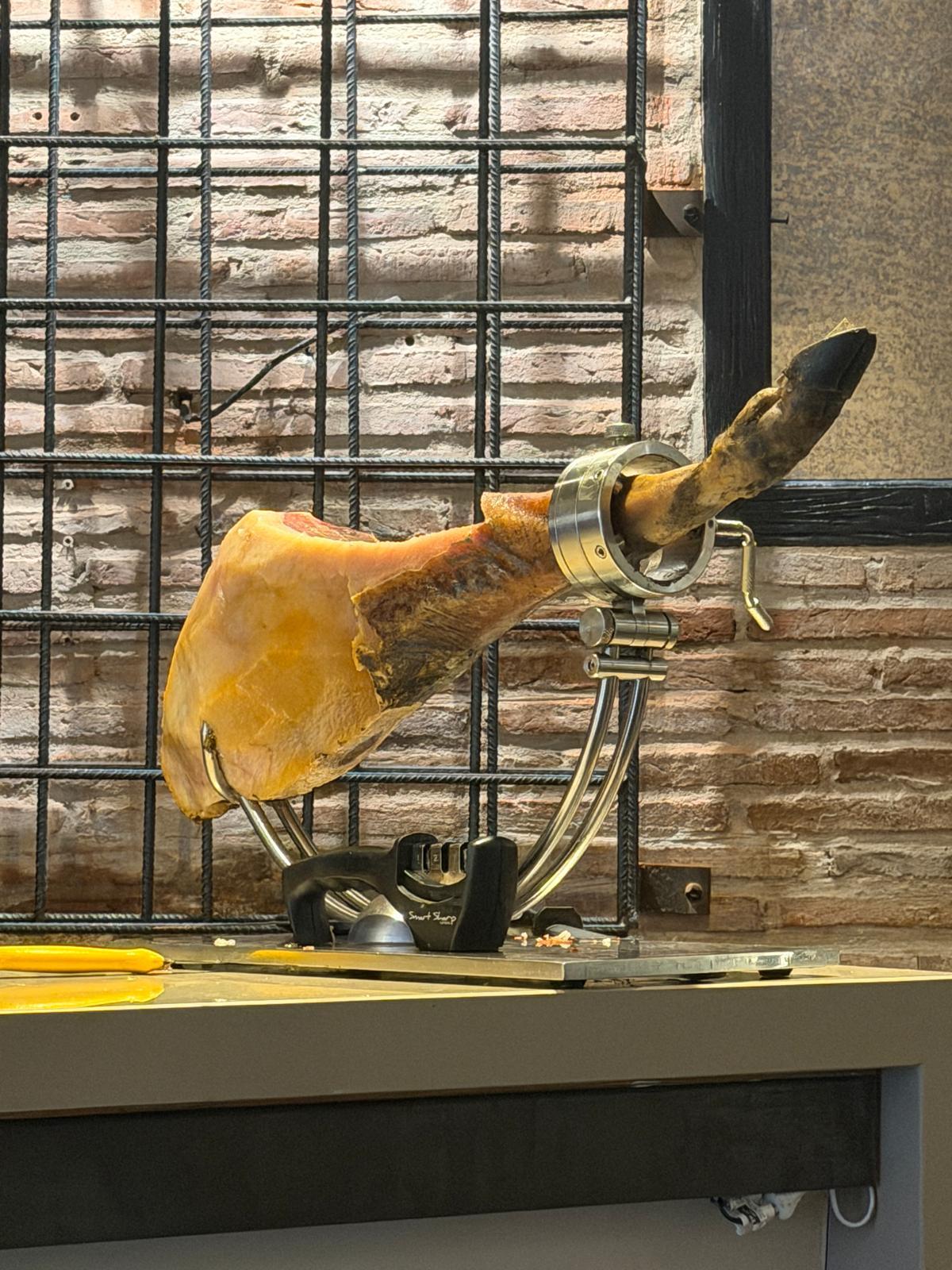
Later in the day, Spanish food culture really comes alive. I've tried jamón, Spain's famous dry-cured ham, along with tapas, small portions of food that might include cheese, olives, cured meats, fish or vegetables. One plate I tried had slices of bread topped with fish and olives.
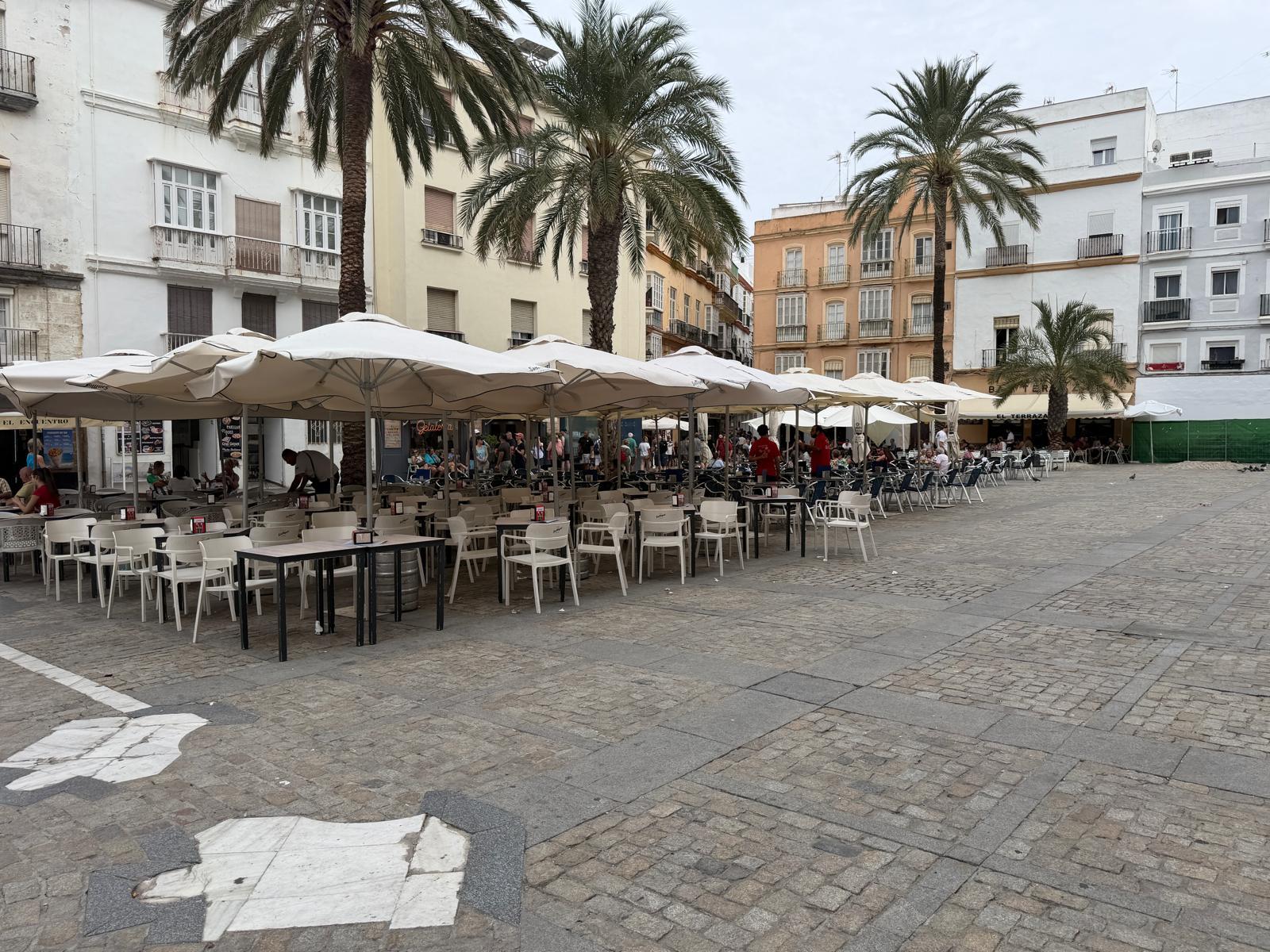
I've also discovered how important cafés are to daily life in Spain. Tables spill out onto sidewalks and plazas, where people stop for coffee, food and conversation. The timing of meals is different too.