Many of the Nadaam activities happen in stadiums, so there is a lot of food to be enjoyed in stalls all around. The most common is khuushuur, which is a fried meat pastry. Since it is Naadam, you will be having the naadam khuushuur, which is a circular pastry, as opposed to the half-moon shape. These are also typically filled with mutton. Additionally, it is common to drink airag, fermented mare’s milk. When the games aren’t happening, you can also see traditional dances and hear traditional throat singing, another nod to Mongolian culture and tradition.
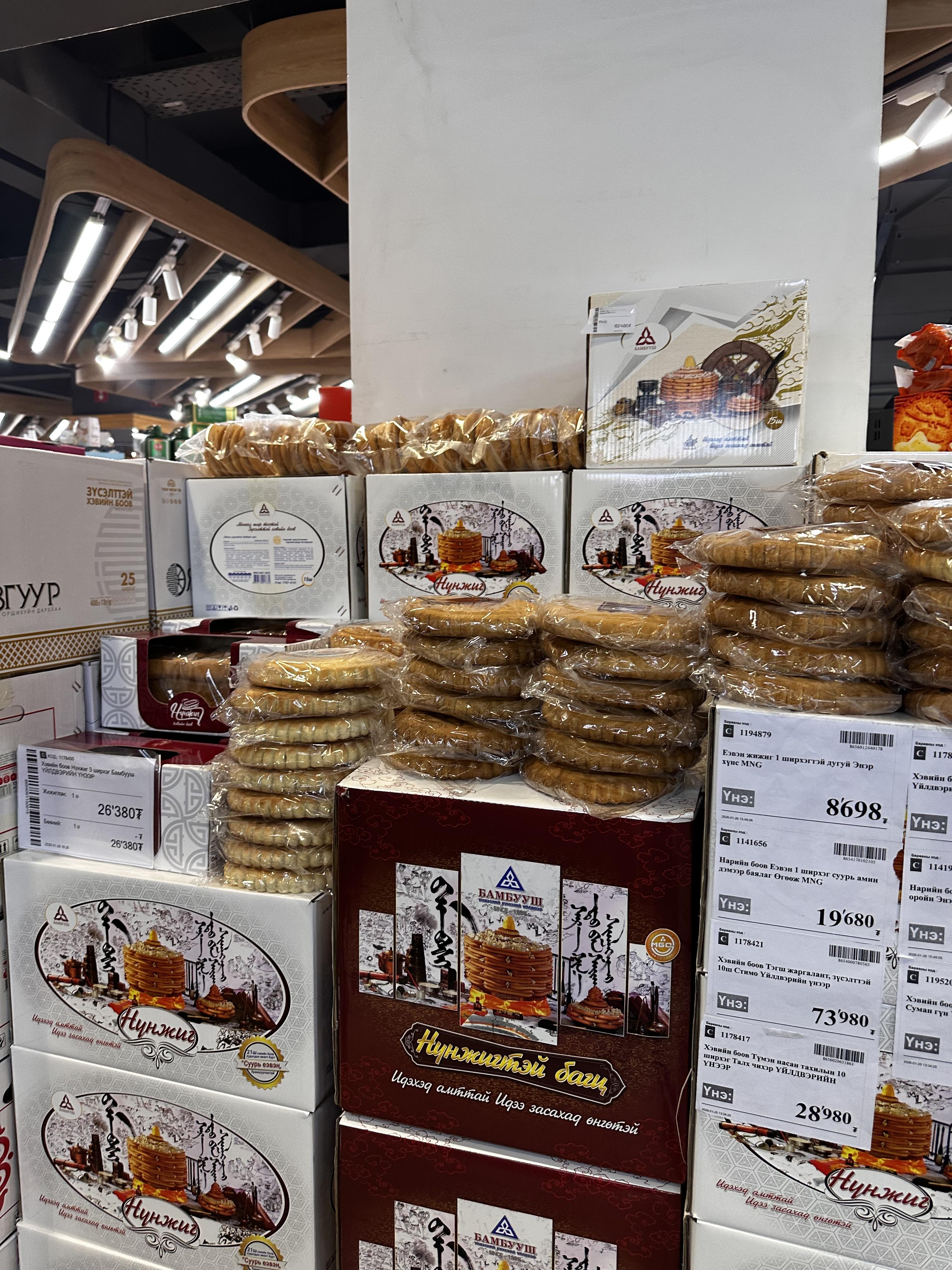
The tradition of Tsaagan sar comes from both the nomadic and Buddhist traditions. Since life on the Mongolian steppe can be so challenging, celebrating the new year with such a community focus highlights the cooperation between households. Additionally, Lunar New Year also marks the coming of spring and making it out of the harsh winter months. This goes along with the symbolism of purity and new beginnings as spring marks the time when their herds will start having babies.
The tradition of Naadam dates back to Chinggis Khan. The traditional sports actually have roots in military training. The festival is a celebration of the warriors and was a chance for them to show off their skills. Nowadays, this festival is a celebration of their cultural heritage. For those who are not competing in the games, Naadam is a chance to listen and play traditional music, wear traditional clothes, and eat traditional food. So, even if you’re just watching, you are immersed in Mongolian culture. Naadam offers a glimpse into the past, and it is a time to celebrate the spirit of Mongolians.