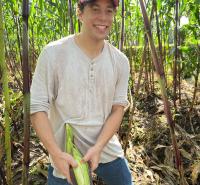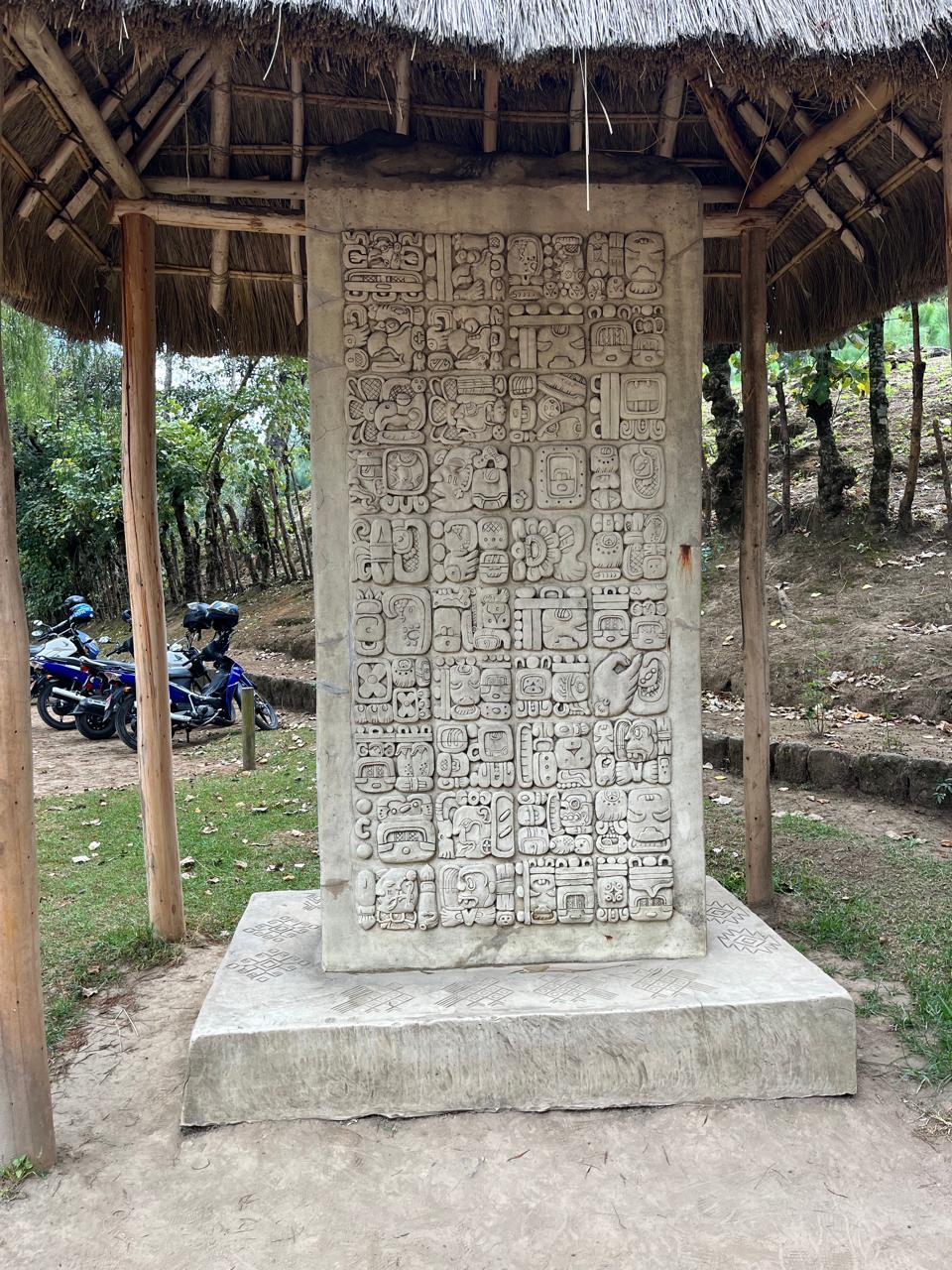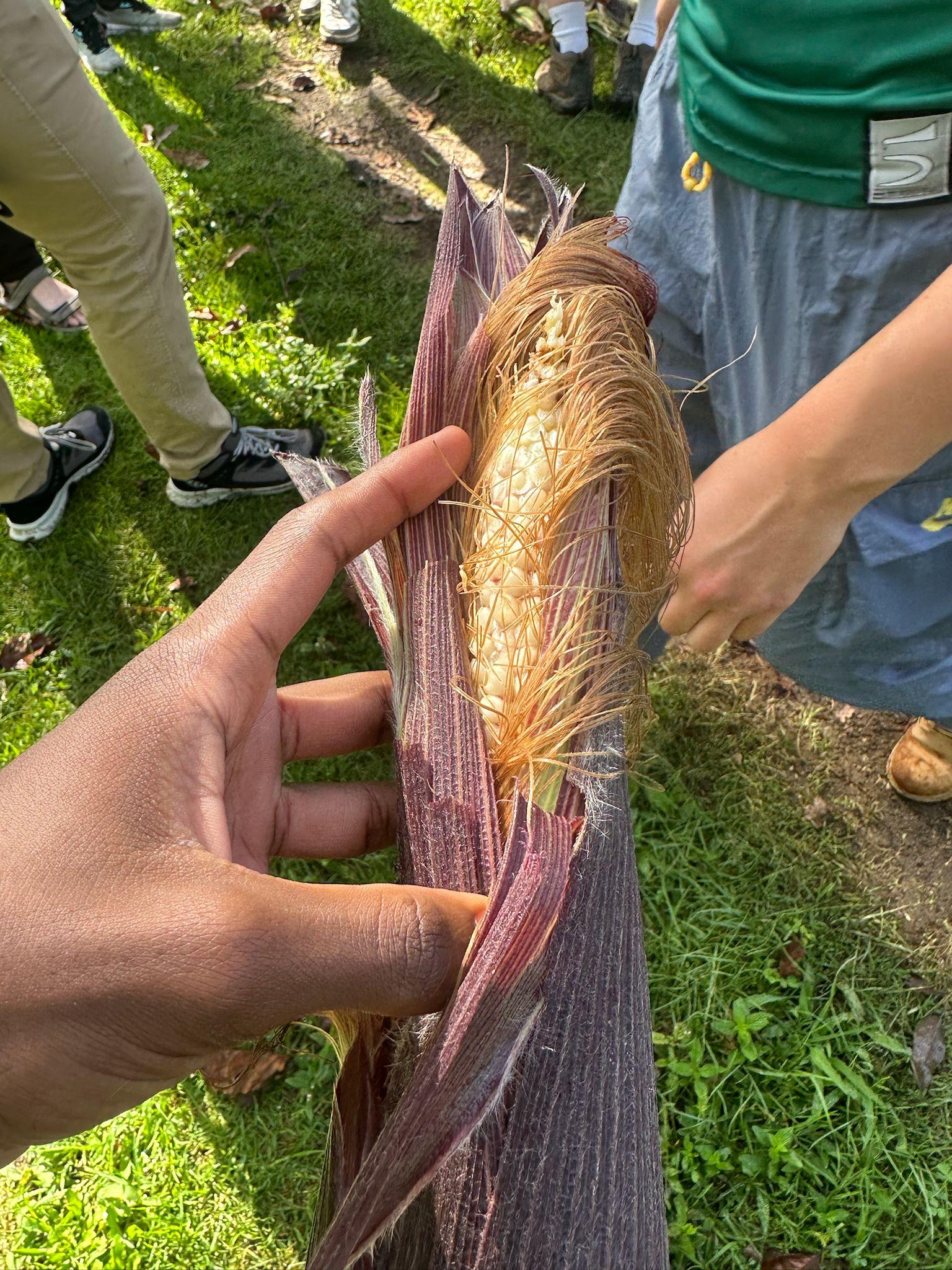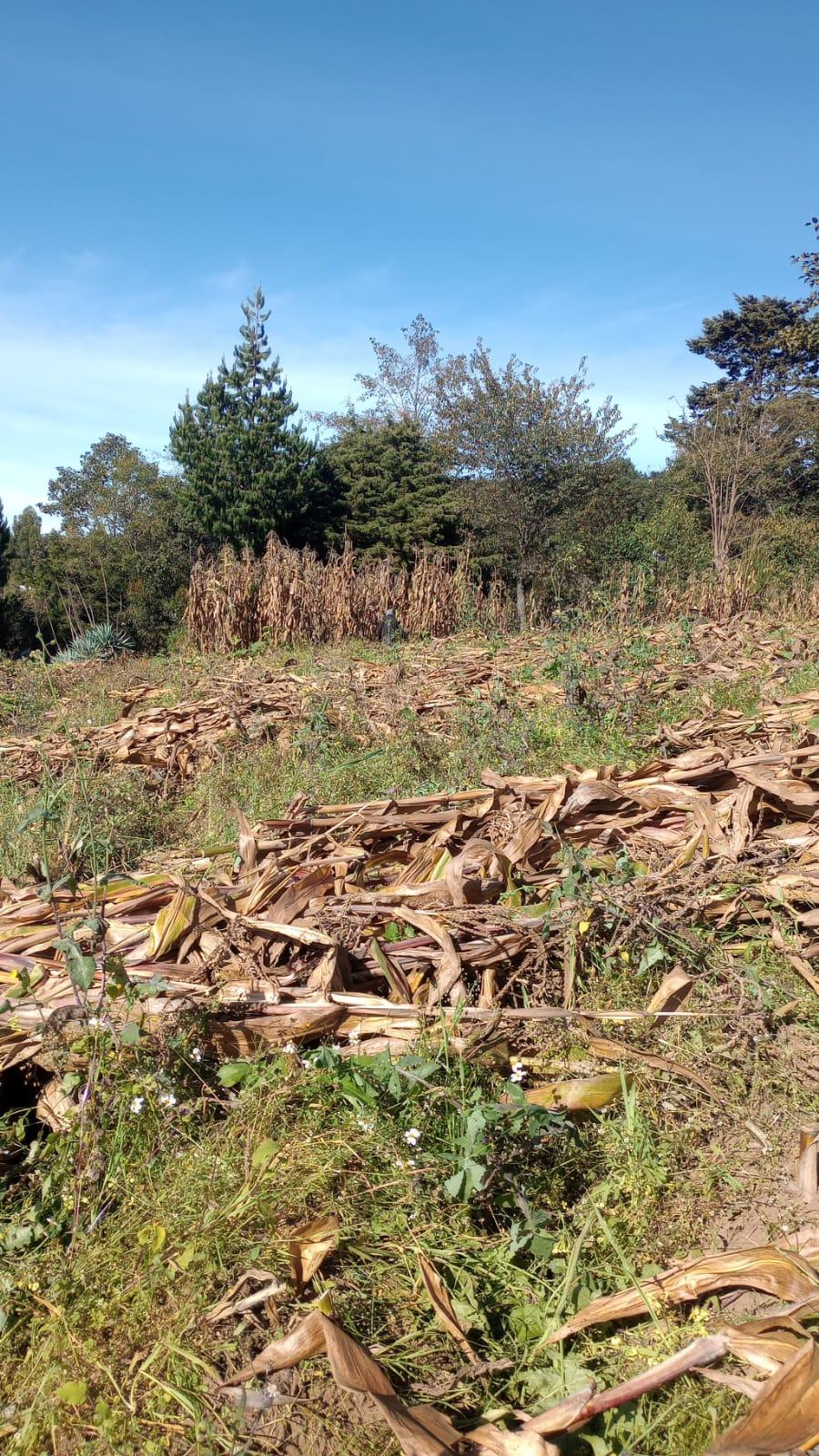
Not a farm, not a big piece of land, but a backyard roughly the size of a basketball court. In this backyard were rows upon rows of corn, almost ready to be harvested, as we neared the end of the corn season. My host family told me the story of corn and how essential it is to Mayan culture. How the gods made humans with yellow corn to form the flesh, white corn to form the spirit, red corn to form the blood and black corn to form our emotions. This was my first introduction to corn in Guatemala, and throughout my time here, its cultural impact has continued to surprise me.
Corn is a versatile plant that can grow pretty much anywhere in the world as long as it's not too cold and it gets plenty of sun. What this means for Guatemala specifically is that it is grown literally everywhere you go. From the highest peak to the coast, it doesn't take long, if one asks around, to find a family nearby who grows and sells corn. Not only is corn easily grown in Guatemala, but it is also an integral part of Guatemalan culture, having been cultivated by the Mayan tribes long before Europeans discovered the continent. As a result, many Guatemalan families still grow corn to this day thanks to its simplicity and its ingrained cultural value.
Now this is where my lack of environmental knowledge fails me. How does corn grow? Well, obviously, it's a plant, so it needs good soil, a significant amount of water from the rain and lots and lots of sun. That's about as far as I know. When I asked local farmers in my community, they didn't provide much insight.