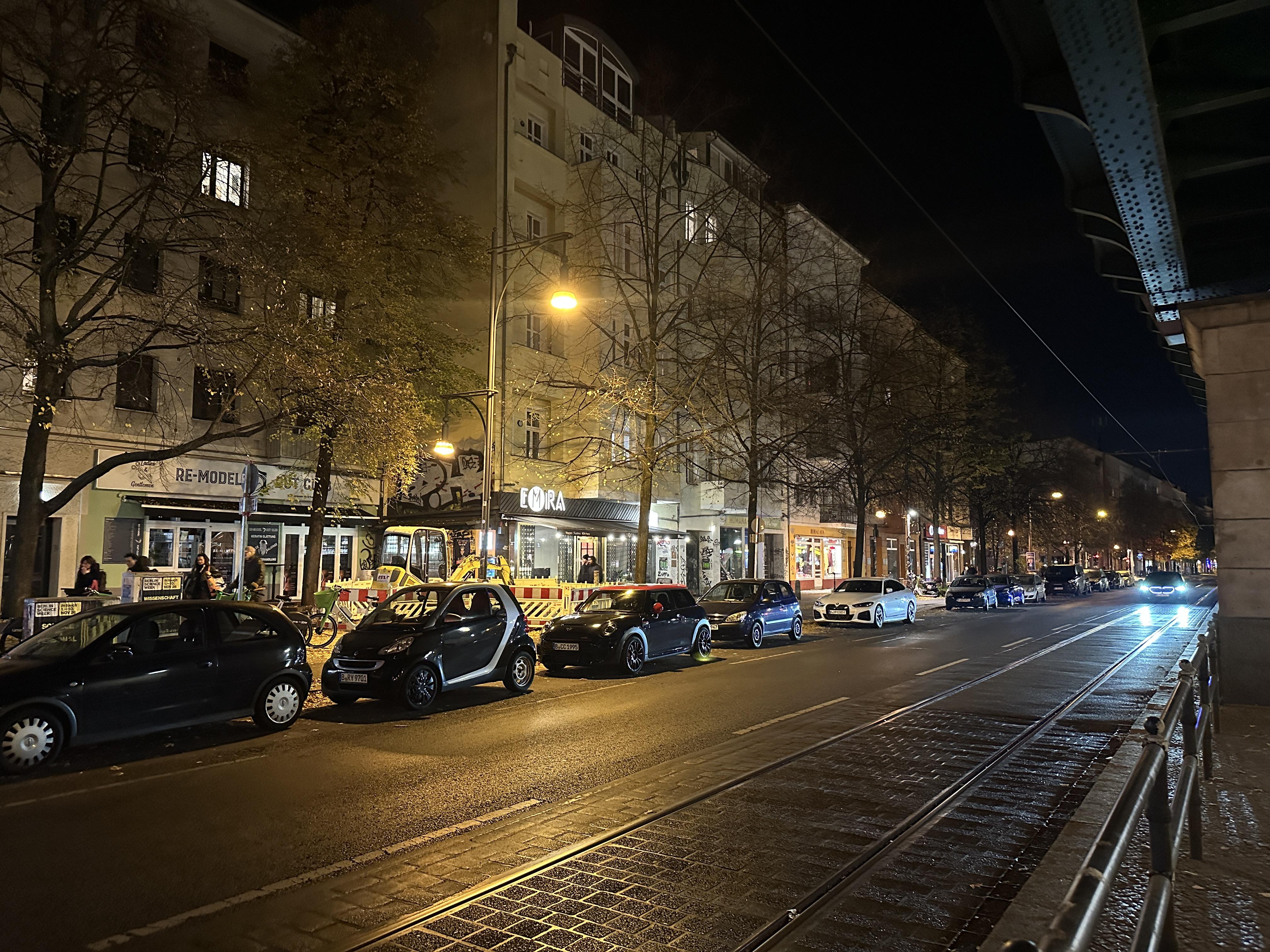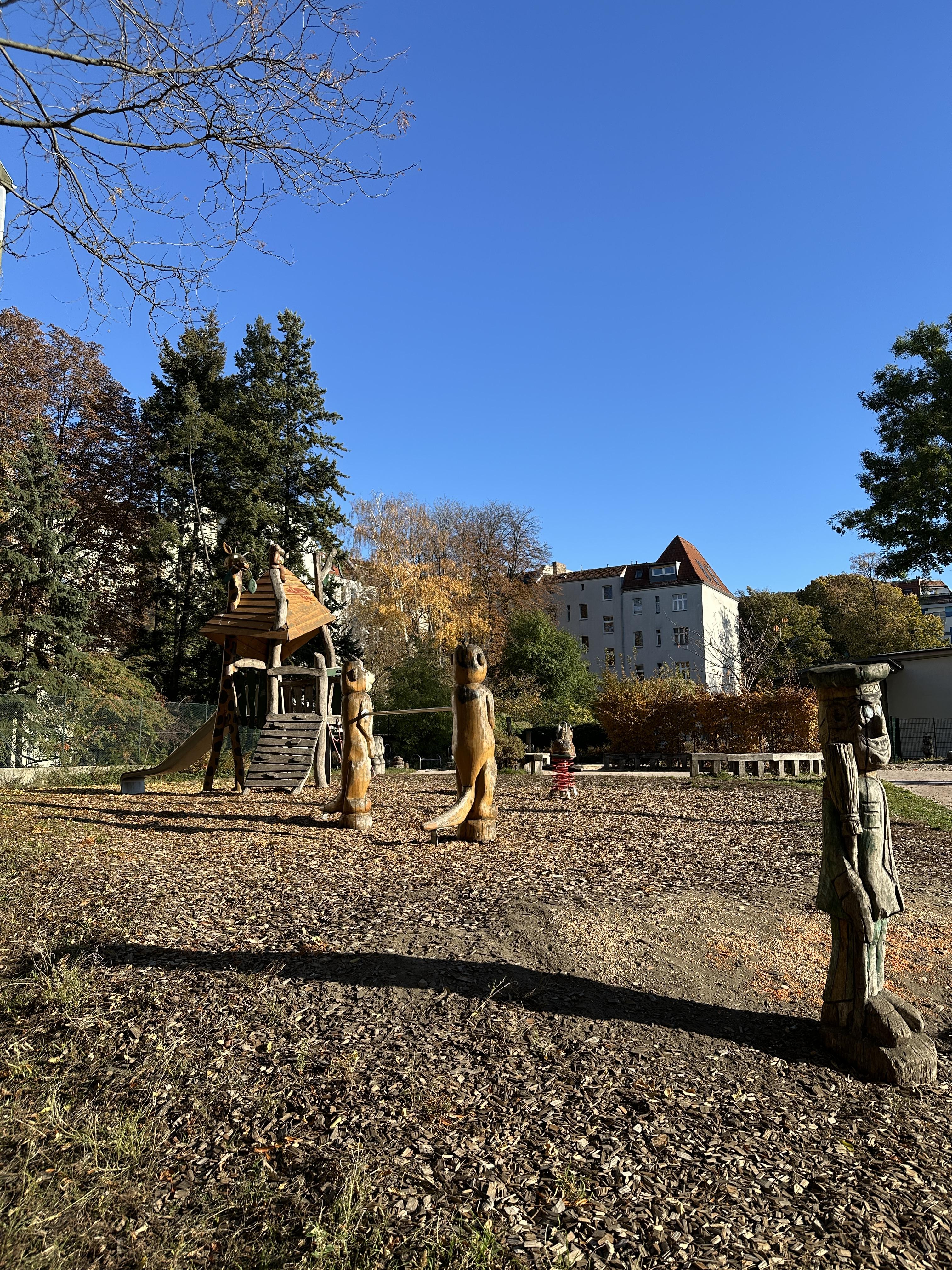
Hallo! This week we're going to talk about the marshland that Berlin is built on top of. You'll learn how Berlin's swampy origins have affected the city's expansion, architecture, daily life and food.
Berlin is part of Brandenburg, a state in Germany. Historically, this region was known as, "Prussia's Vegetable Garden." The land here is fertile and has warm humid summers and below freezing winters. Perfect for growing vegetables like white asparagus, turnips, horse radish and onions.
Despite the neighboring region having fertile soil, Berlin's land is quite the opposite. The city sits in an ice age glacial valley that does not have fertile soil. Instead, it has the river Spree, which is a crucial point for trade in Germany. So, Berlin started as a medieval trading settlement rather than an agriculture town.
Berlin is also built on top of a marshland. It has an exceptionally high groundwater table. Meaning that if you dig two to three meters deep, you hit groundwater! This is a nightmare for city construction because you have unstable ground, seasonal flooding and sinking buildings. So despite Berlin being founded in 1237, it didn't truly expand until the 19th century.