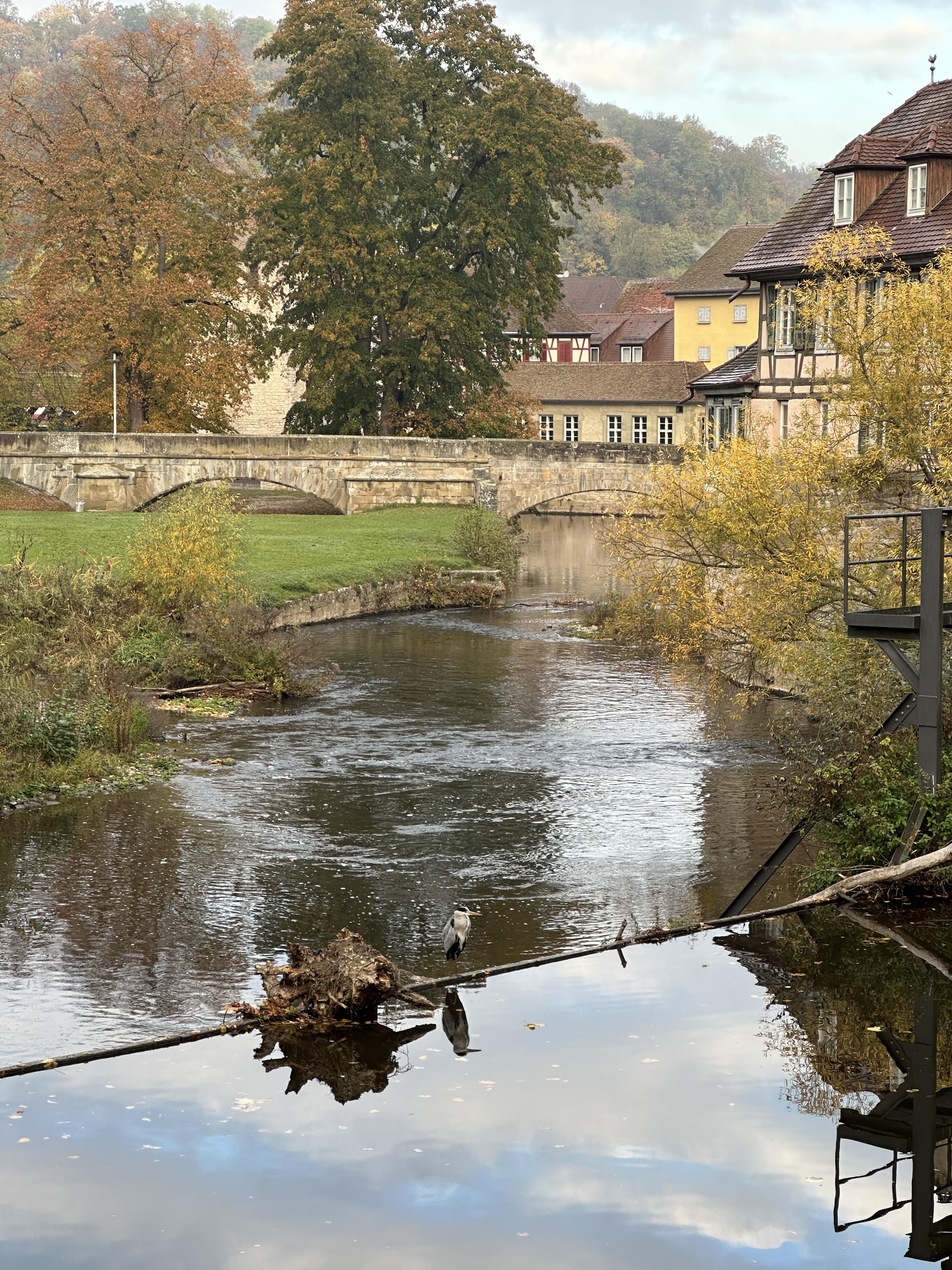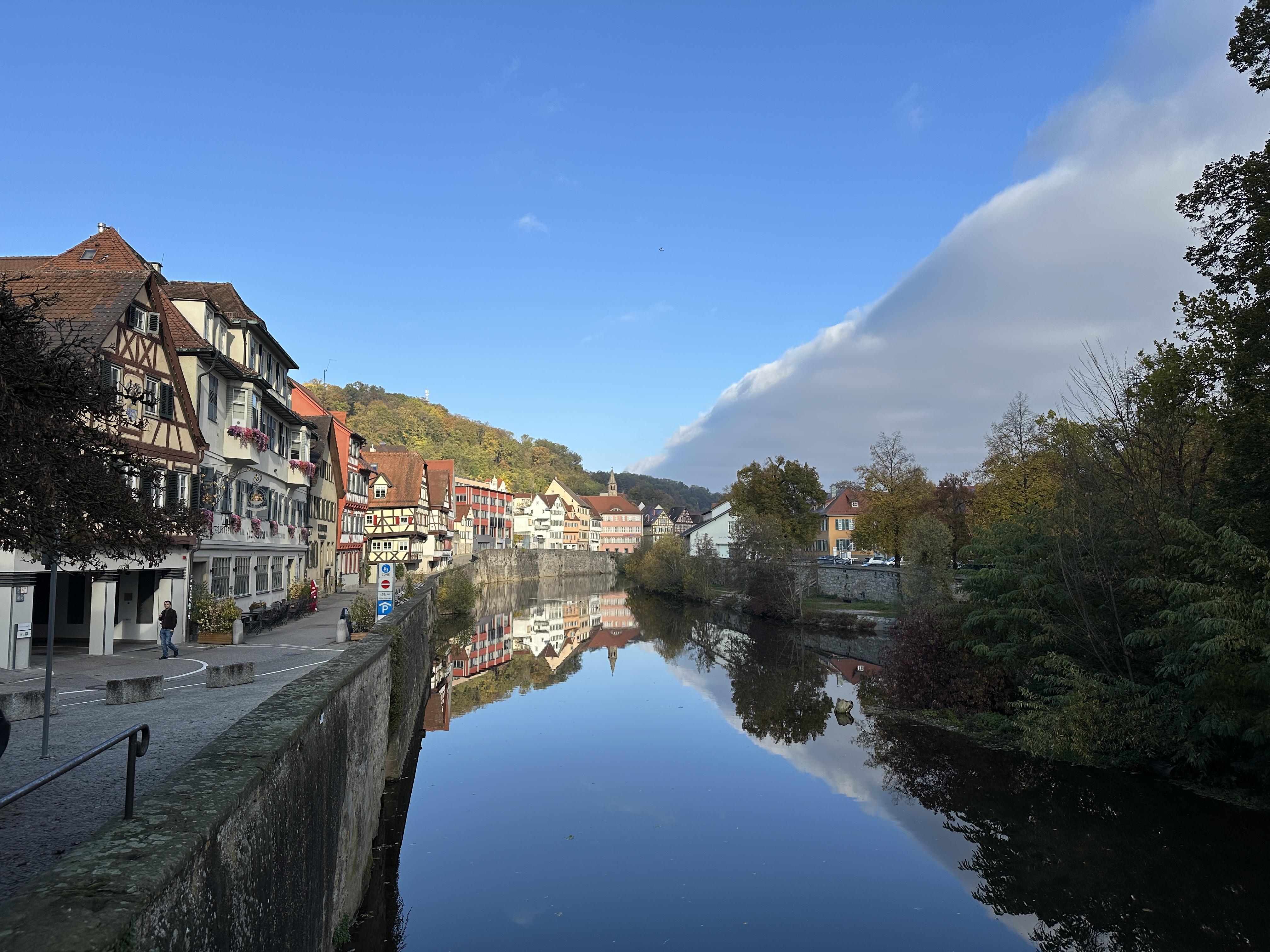
Today we will be learning about the Grey Heron. Not to be confused with its North American counterpart, the Great Blue Heron. The Grey Heron is a special bird because you'll find it in both urban cities and nature. We'll learn about how the Grey Heron adapts to city life and humans.
The Grey Heron is a close sister species to a bird you've probably already seen: the Great Blue Heron. Grey Herons are smaller than their North American counterparts. Grey Herons have a distinctive S-shaped neck which folds as they fly. Their wings are black when unfurled. They have a silver-grey plummage with white plummage on the underside of the neck, belly, and thighs. This is different from the Great Blue Heron, which has a more rusty color on its thighs. From first glance, these two species can be easily mixed up! You'll often find them standing tall and still near bodies of water.
When I first saw a Grey Heron, I had to look again. I thought I saw a GBH (Great Blue Heron) with a unique plummage!
The Grey Heron is a tall bird at a standing height of one meter. Watching it felt truly special. It stood perfectly still, silently waiting for a fish to pass the water it was standing over. When they're hunting, they look like statues!