It had a slightly tangy flavor similar to yogurt or kefir, and I was surprised by how much I enjoyed it. When I tried airag again in the winter during the holiday of Tsagaan Sar, I was shocked that it tasted much more sour. I learned that the summer airag had been fresh and early in the fermentation process, while the winter version had fermented longer, giving it a stronger, sourer taste.
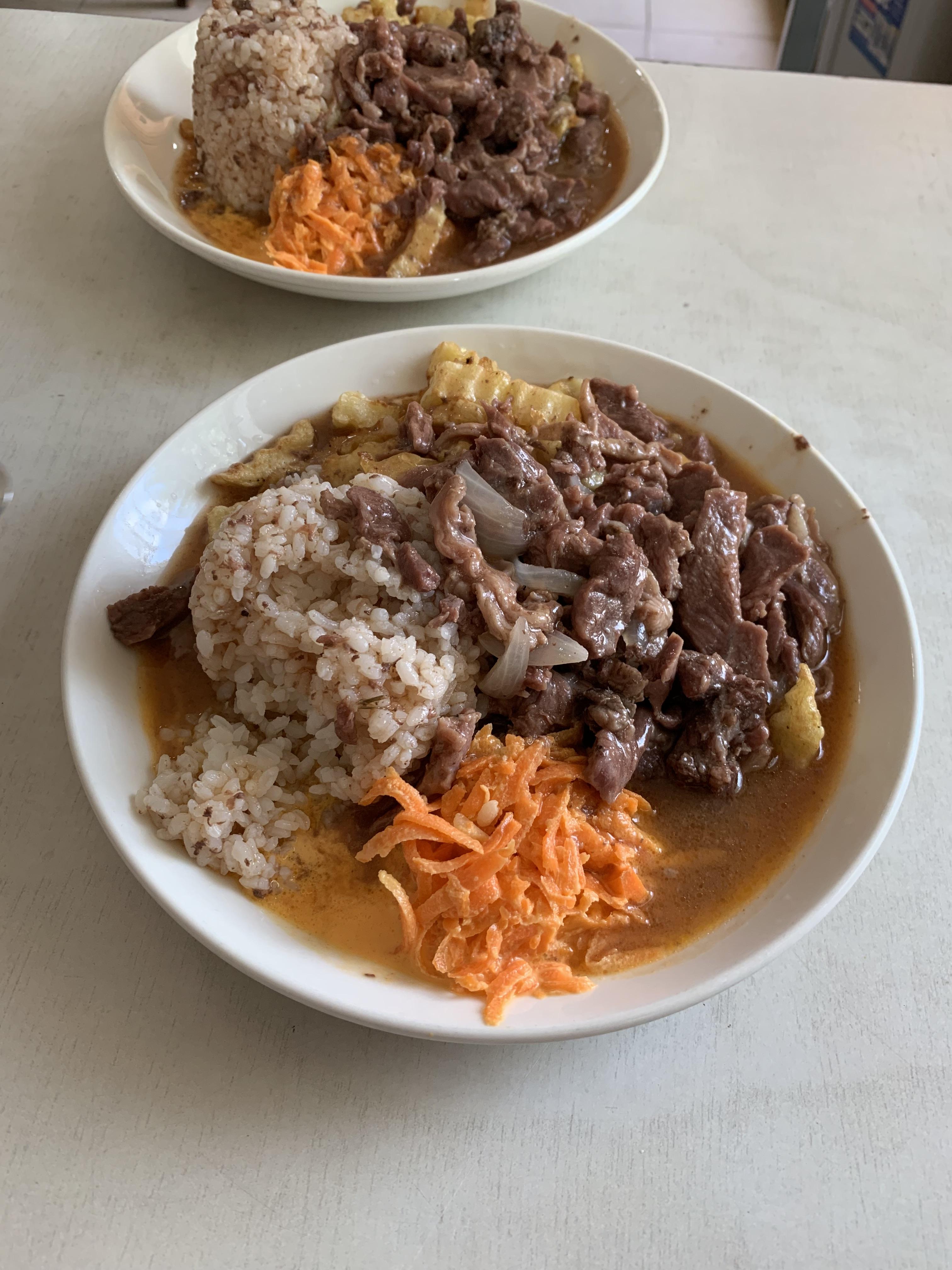
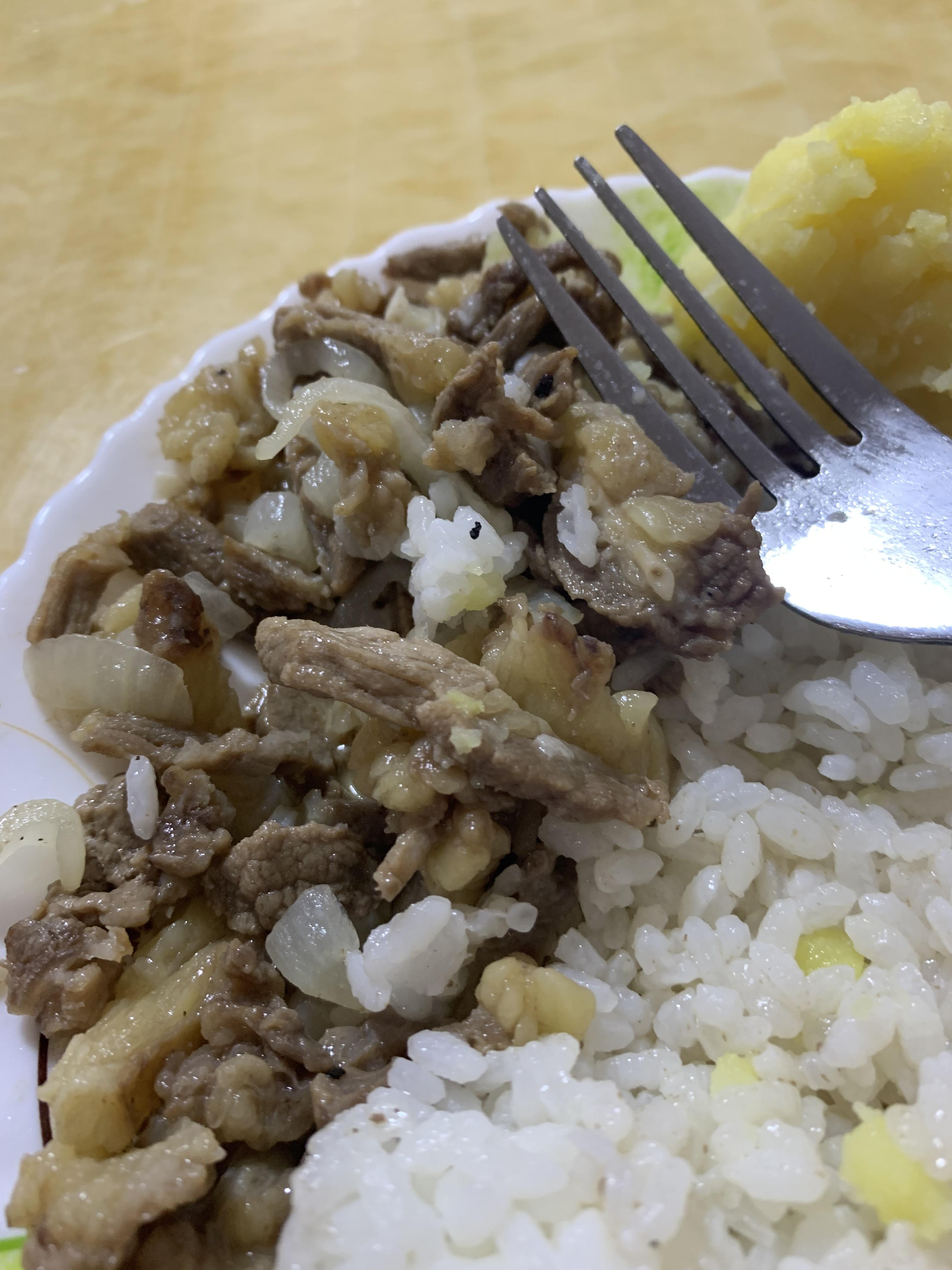
Mongolian cuisine reflects the country’s environment, climate and nomadic lifestyle. Their reliance on livestock products like meat and dairy developed because much of the land is too harsh for farming. The short growing season and extreme cold required foods that could last and provide warmth and strength. In this way, every traditional dish is deeply tied to the land and weather. Even Mongolian's who live in the city often keep to this tradition with food.