Its flavor reminds me of tropical fruit, which is surprising given that it grows in such a cold climate. Although I prefer it served cold, it is often served warm like a tea.
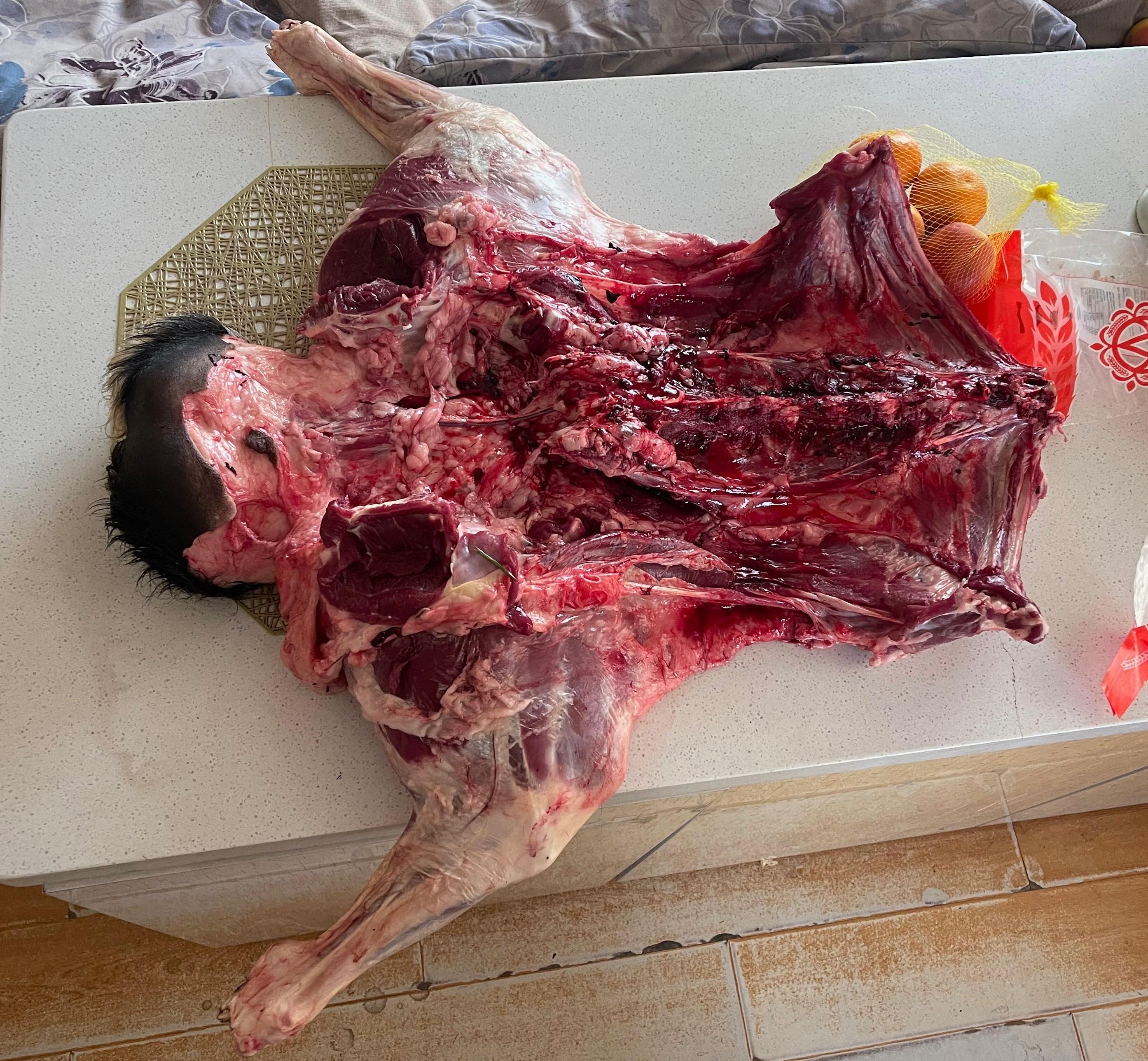
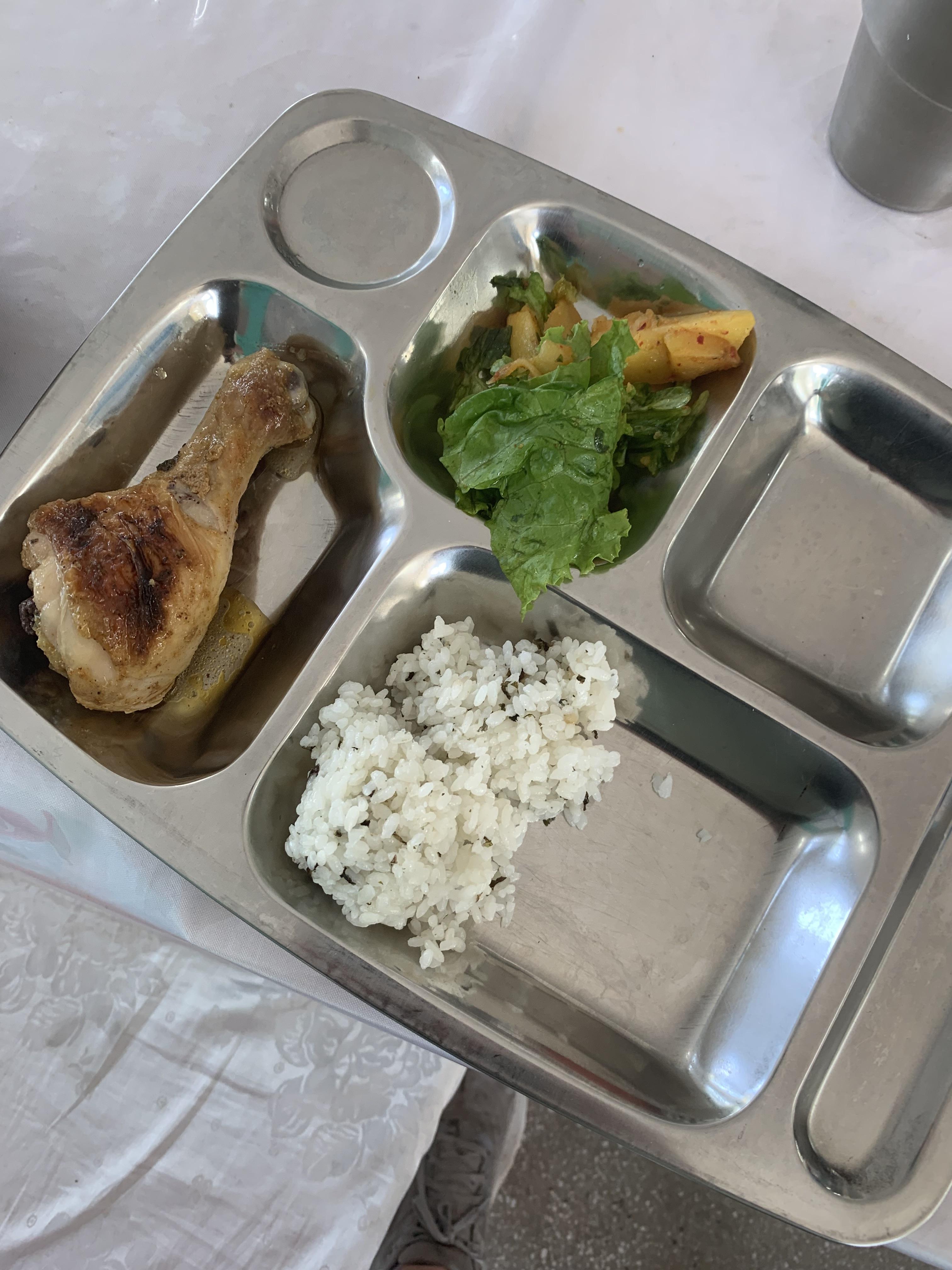
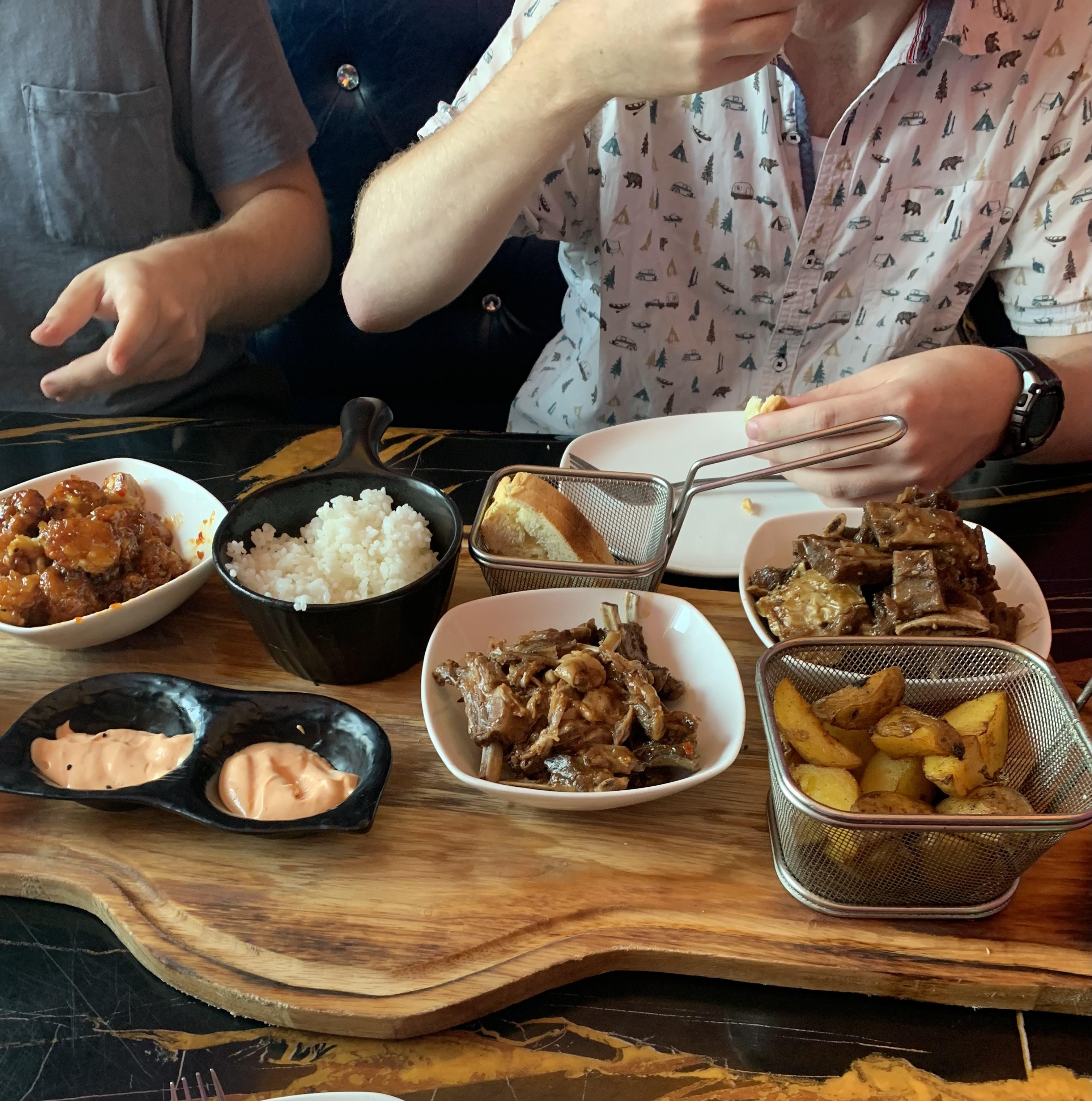
Fortunately, I am neither lactose intolerant nor a vegetarian, which would have made eating here very difficult. But I was not familiar with many of the foods Mongolians eat when I first came here. Before coming, I had never tried horse meat, had rarely eaten mutton and wasn’t used to eating boiled meat. Mongolians also make use of the entire animal, including organs and other parts that many Americans do not typically eat. I was admittedly nervous about trying all these new foods, but I knew that food is one of the best ways to learn about another culture. I decided to set my nerves aside and approach each dish with an open mind. While Mongolian cuisine is not my favorite, I came to appreciate the beauty in its simplicity. These dishes represent the same foods that have nourished generations of Mongolians. Because their cuisine has changed very little over time, every meal felt like a direct link to the past. Each meal is truly like taking a bite out of history!
Many Mongolians still follow traditional eating patterns based on the seasons. For example, horse meat is usually eaten in the winter because it is believed to help keep people warm and strong during the harsh cold, which can reach -40 degrees. In the summer, when the livestock are producing milk, Mongolians eat more dairy-based foods. The first time I tried airag, or fermented mare’s milk, was during the summer.