Once you drive out of Hobart, you’ll find open fields and farms, but you won’t find many shopping malls or big towns! This can be difficult for kids who need to go to school everyday because it may be a long drive to their school. For example, kids that live on Bruny Island in Tasmania take the ferry to high school everyday. It can take them 1 or 2 hours to get to school in the morning. For many Tasmanian kids, this makes it difficult to get to school everyday and have good attendance. Many remote communities experience challenges like this.
Another challenge of living in Tasmania is that it’s an island, so if you want to leave, you have to take a boat or a plane! This can make leaving Tasmania and visiting mainland Australia very expensive. Additionally, any food or products that aren’t produced in Tasmania have to be shipped here by plane or by boat. Sometimes this can make these products more expensive. Living on an island can be challenging, but I have also found that it creates a supportive, prideful community that I am lucky to be a part of.
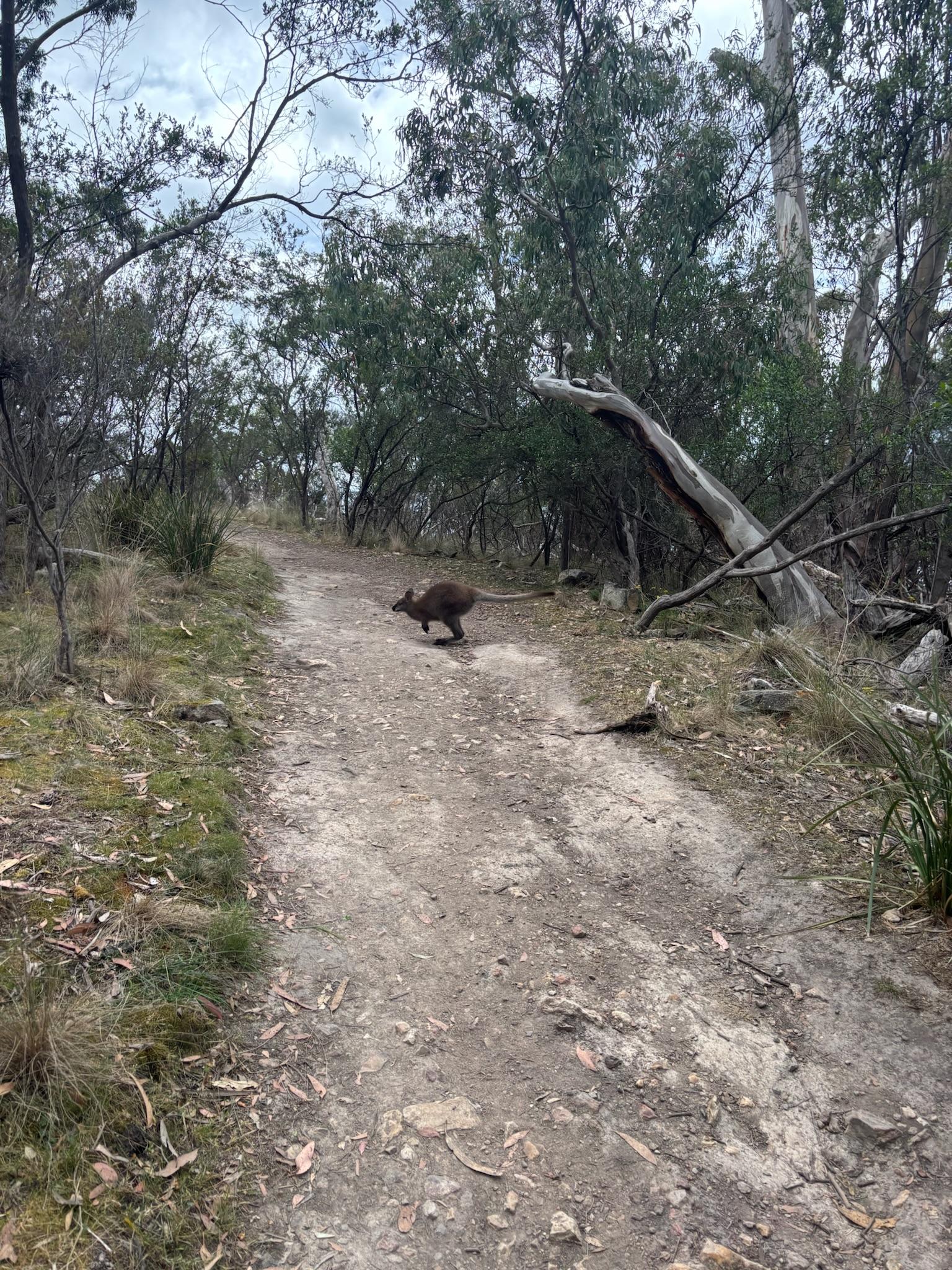
Before the arrival of Europeans, the Indigenous Peoples of Tasmania depended entirely on their environment to survive. For food, they ate plants, wallabies, and other food sources that they harvested and hunted sustainably. Today, researchers, conservationists, and the government in Tasmania engage with and work alongside Tasmanian Aboriginal communities to study and protect Tasmania’s natural environment.
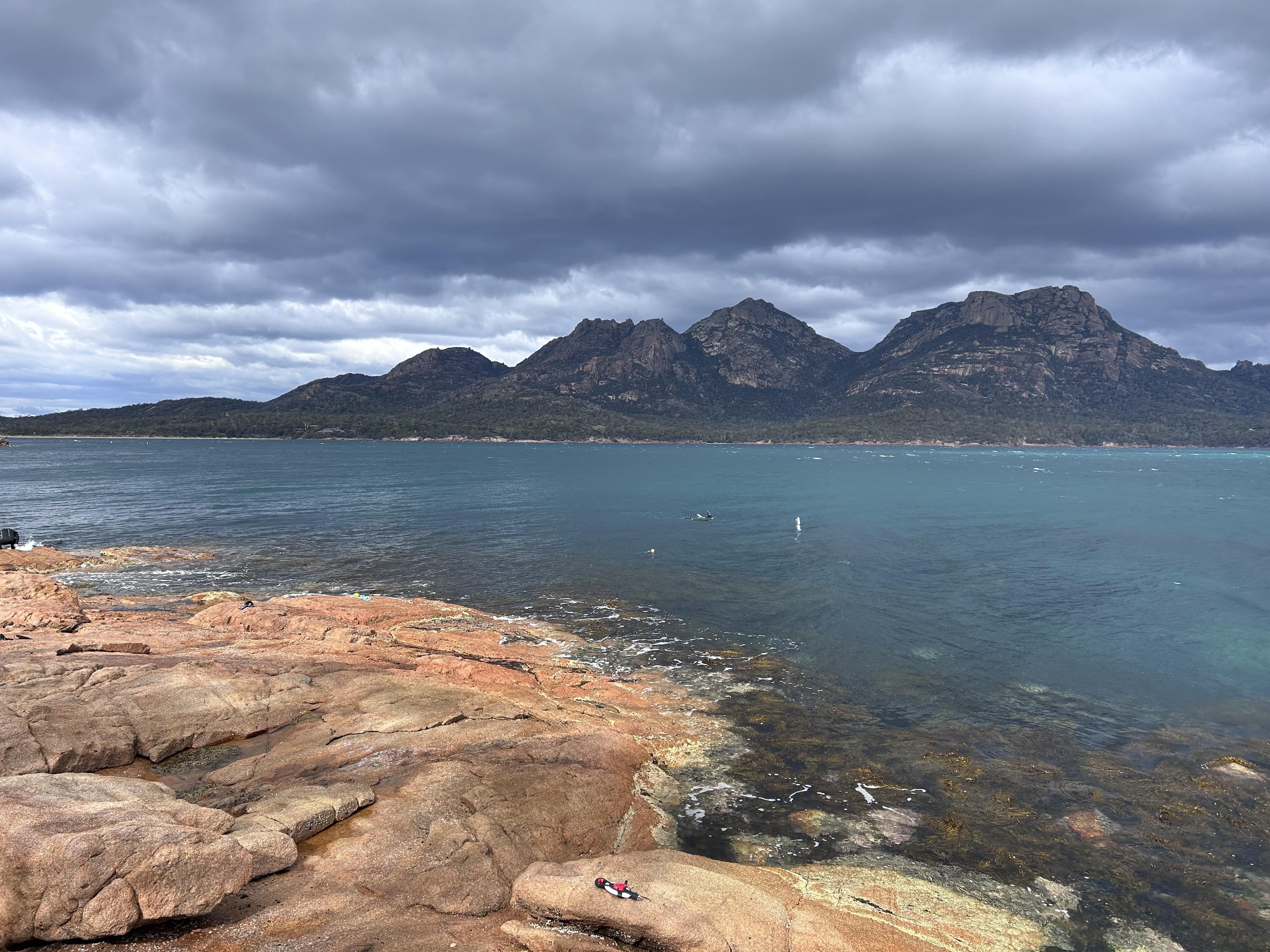
Many people in Tasmania are very connected to nature. Hobbies like hiking, surfing, and climbing are very popular here.