He reimagined a nation, not through war and politics, but through story.”
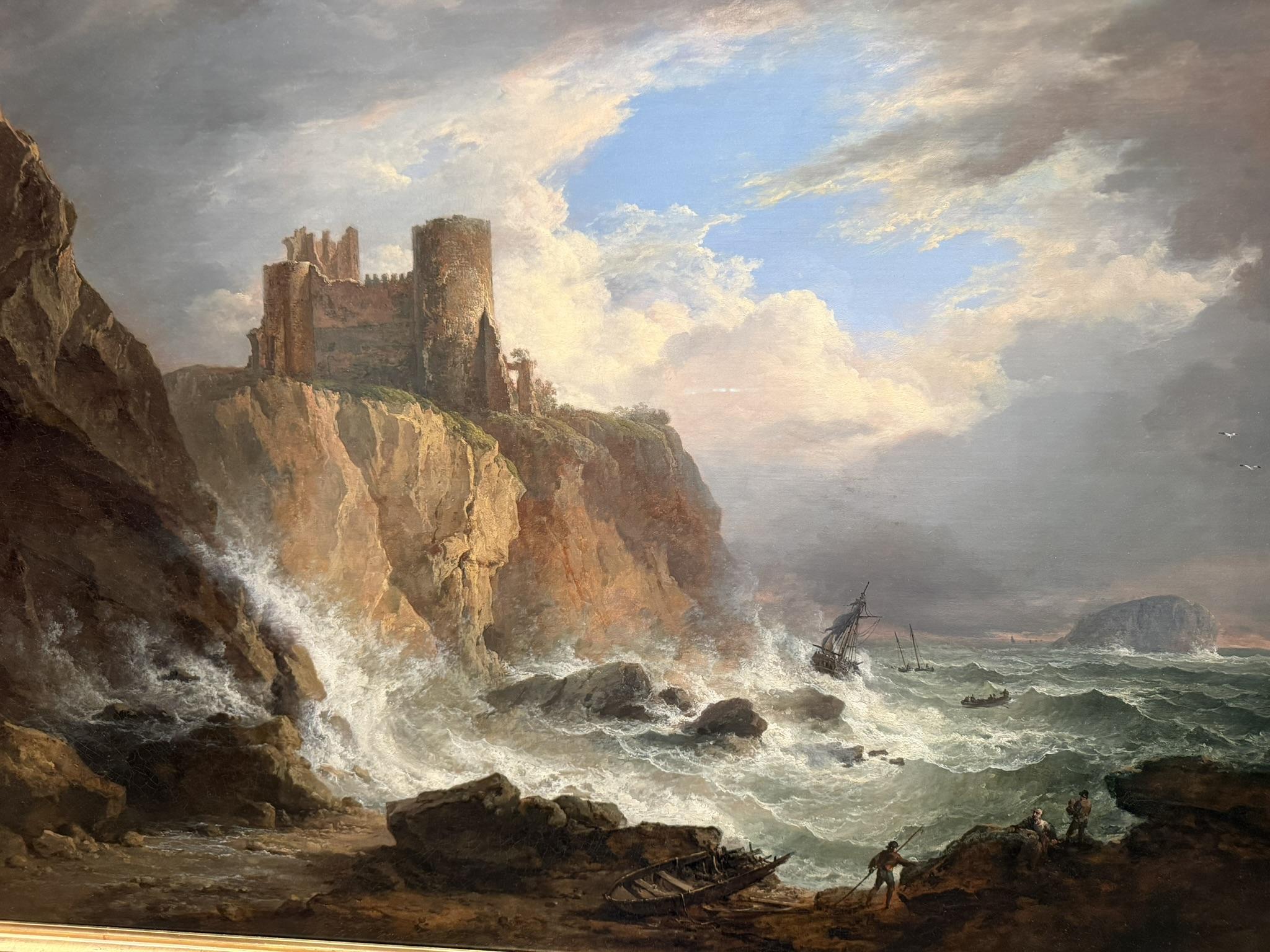
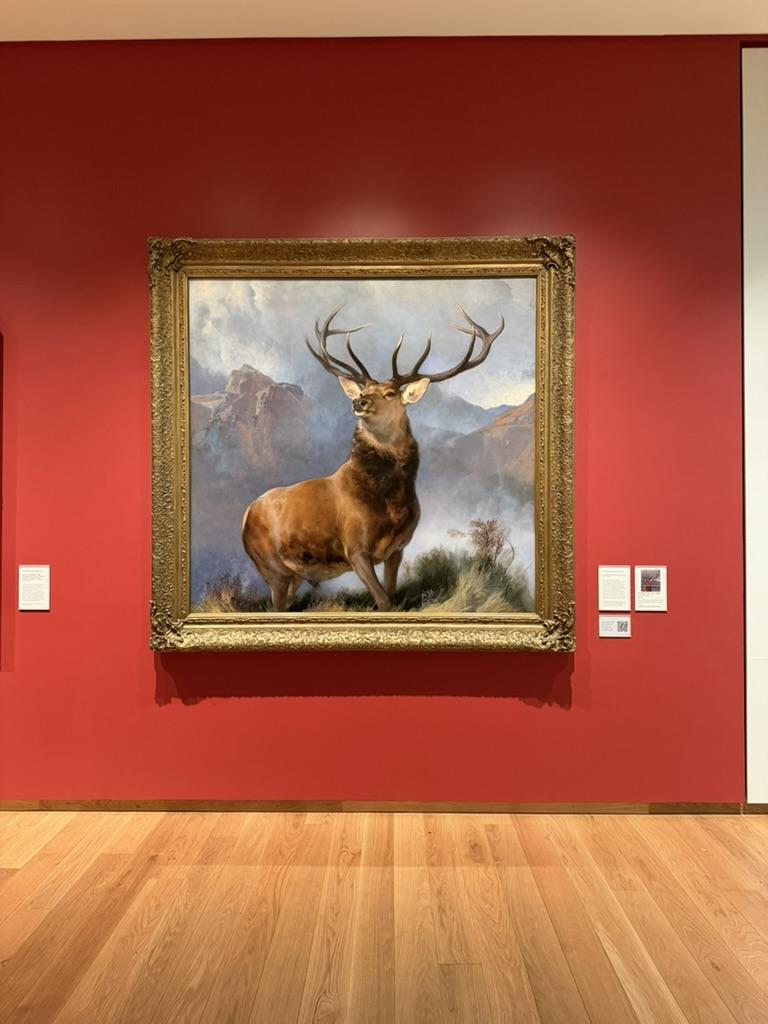
On a day trip to Edinburgh, the capital of Scotland and Sir Walter Scott’s hometown, I found all sorts of reminders of Scott’s influence. The primary train station in Edinburgh is named “Waverley Station” after one of Scott’s most popular novels. After stepping out of the station, you will likely catch sight of a dramatic, gothic monument rising over the Edinburgh skyline; this is the “Scott Monument,” commemorating the life of Scotland’s great novelist! At The Writer’s Museum, you can learn more about Sir Walter Scott’s life, and at the National Galleries of Scotland, you can enjoy a whole exhibit of landscape paintings inspired by scenes from Scott’s novels and poetry.
Kilts are perhaps the most iconic article of clothing in traditional Scottish culture. Kilts were primarily worn by warriors in the Highlands. The particular pattern of tartan declared the wearer’s allegiance to a specific clan chief. But what if I told you that Sir Walter Scott brought them back into the mainstream?
Through England and Scotland’s volatile history of conflict, the English cruelly suppressed traditional Scottish Highland culture. This included the criminalization of wearing kilts. Although very different situations, this practice is comparable to the violent suppression of Indigenous cultures during the colonization of North America. However, only a few decades after this criminalization, King George IV visited Edinburgh wearing a traditional Scottish kilt in celebration of Scott’s novels! The kilt consequently became a fashionable clothing item worn by Scottish and English people alike.