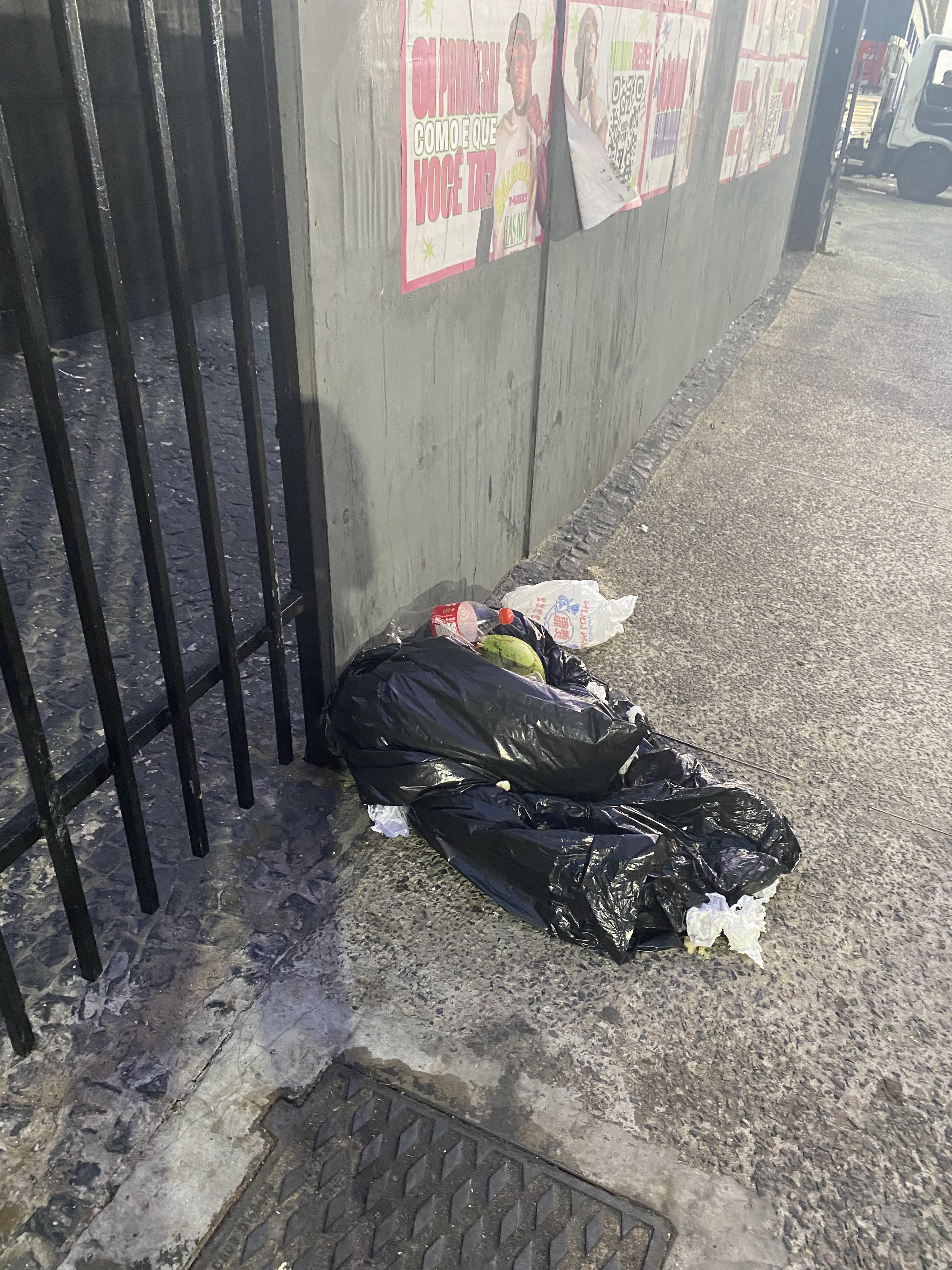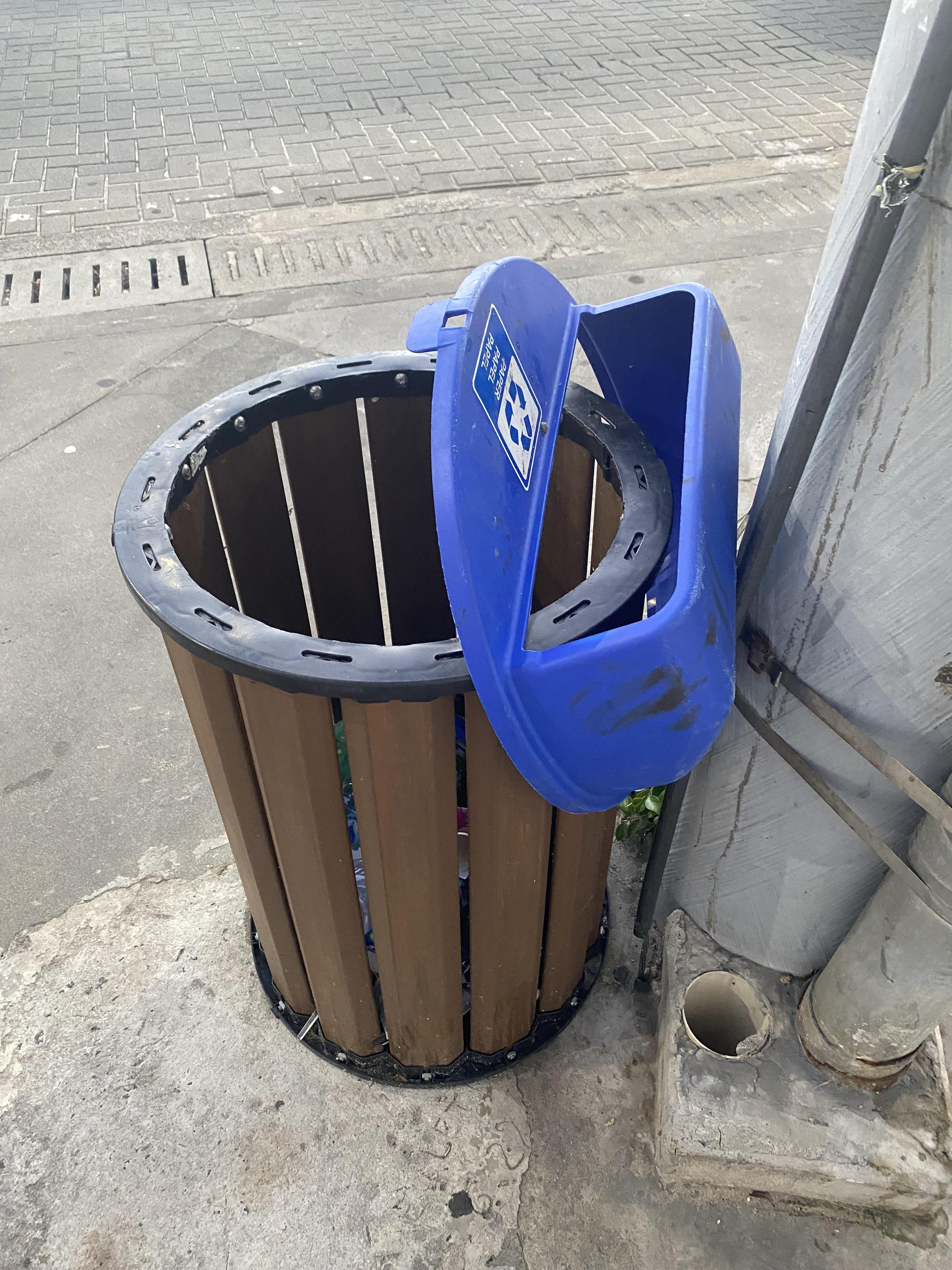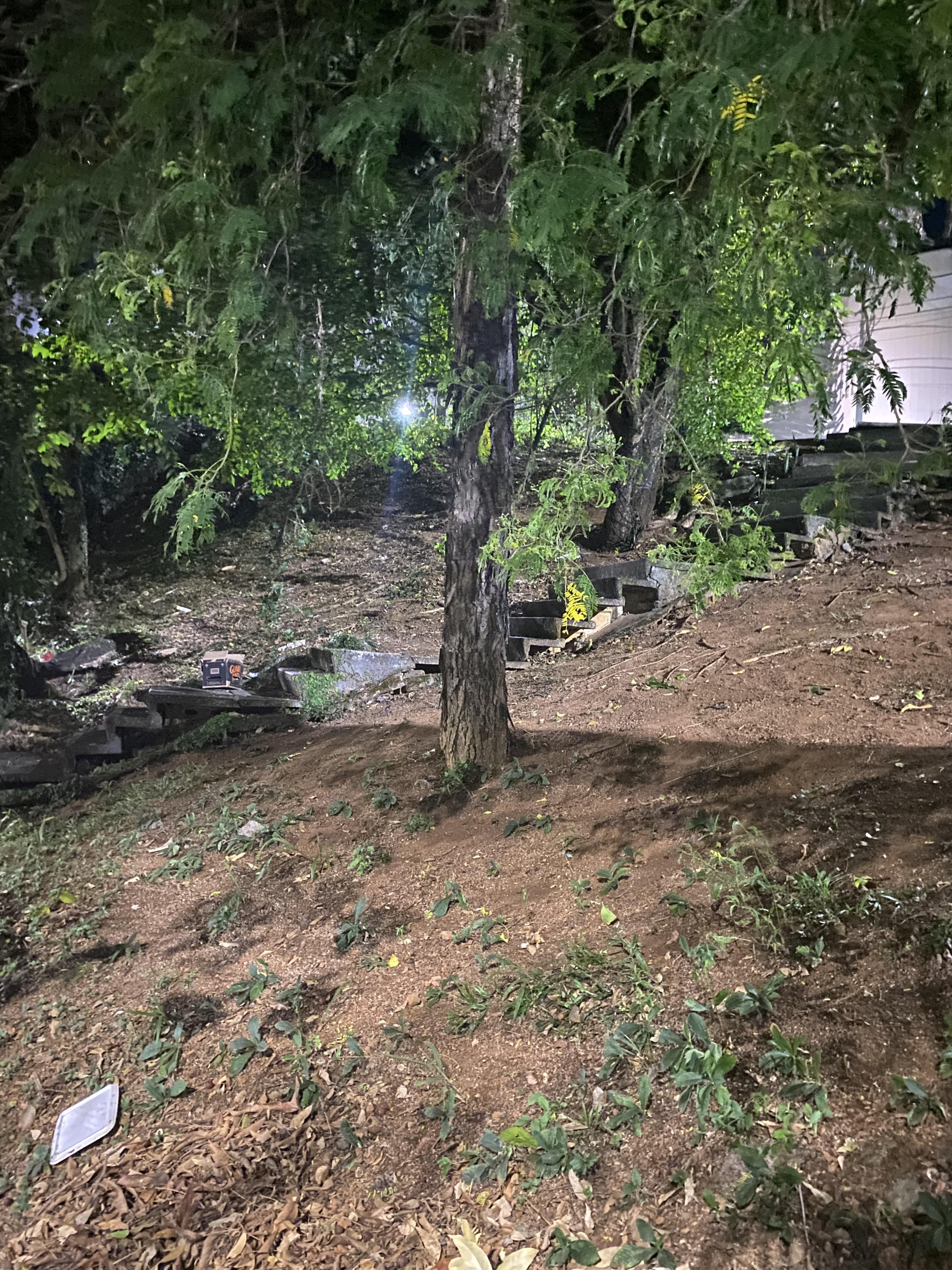
Environmental racism can be defined as "the social and environmental injustices that fall relentlessly upon ethnic groups and vulnerable populations" (Combat Environmental Racism, p. 1). This form of discrimination is part of a larger system of racism that systemically undervalues Black and Brown communities. As such, environmentally harmful projects, including power plants, mines, and landfills are often placed near Black and Brown communities, as opposed to White communities. For example, Alto do Tororó is a Quilombo established in the 18th century. Though once a calm, lush place surrounded by two bays, in the 1960s, the government built Aratu Naval Base, which enclosed the community and restricted access to the bays. A chemical plant and shipyard have also been built, further inflicting pollutants on the Quilombo. Many individuals attribute these racial disparities to a governmental failing. As Daiane Batista de Jesus, a native of Alto do Tororó contends, “We always ask ourselves: why are we treated differently? Choosing not to protect these communities is a political decision" (ThinkLandscape, p. 2).
Sanitation practices have improved in Brazil with the country making significant strides in sanitation throughout its history, but the country still faces challenges, specificallly due to socioeconomic inequities as well as to growing urbanization and climate change (Gonçalves et al., p. 14) (sounds similar to the U.S., right?!). Researchers look to a combination of methods to improve conditions, including public policy adaption, technological innovation, and higher investments.