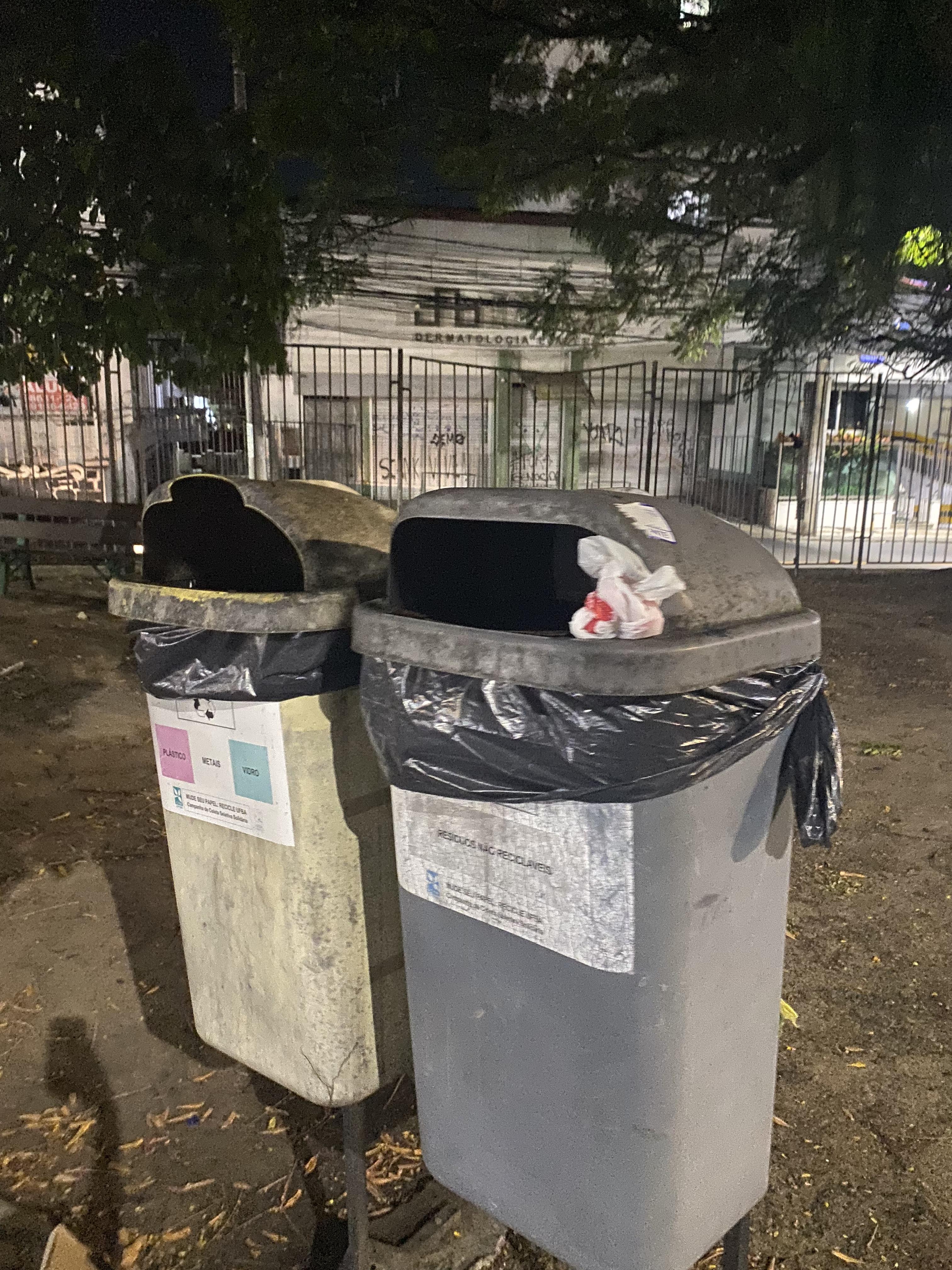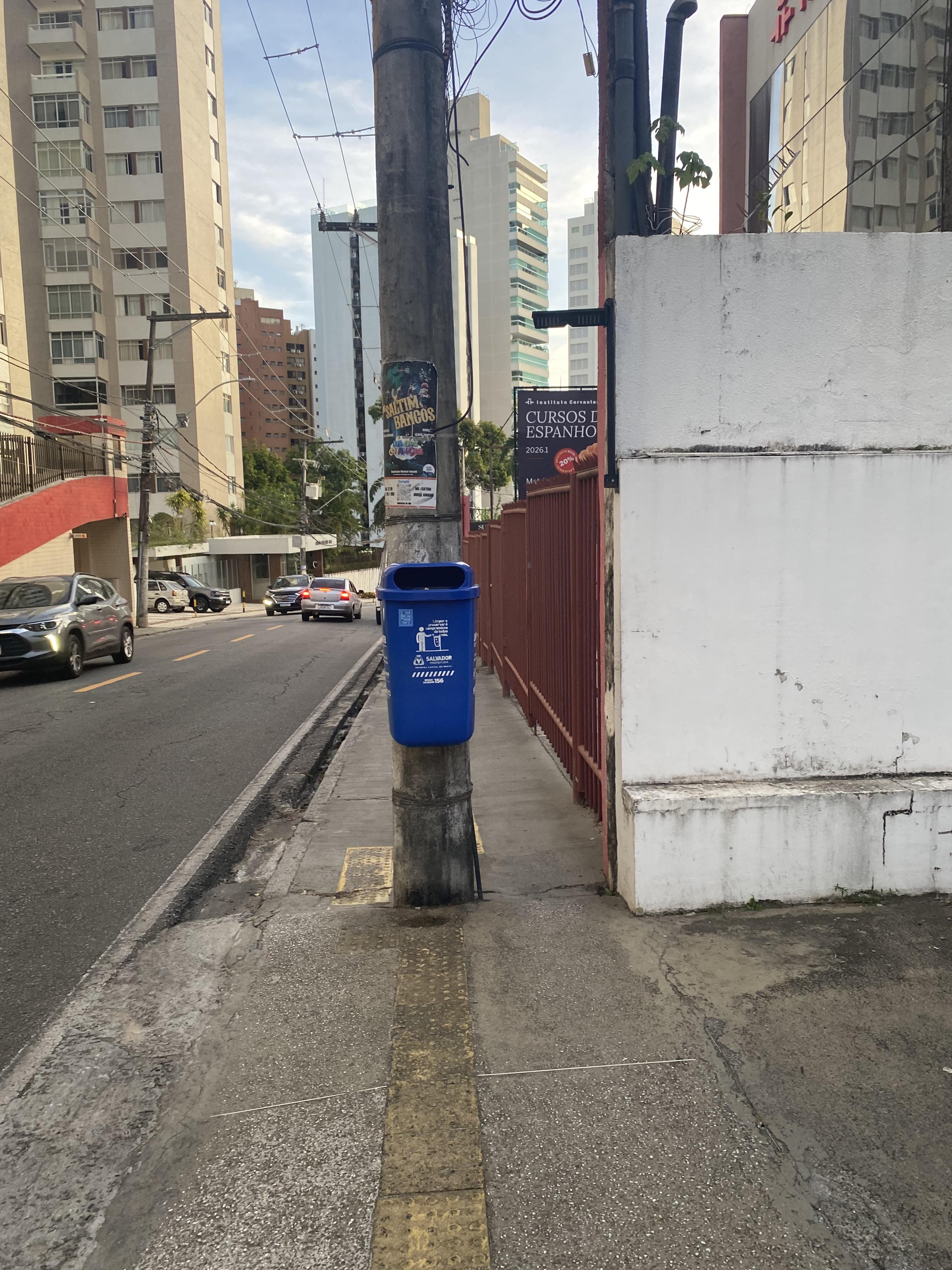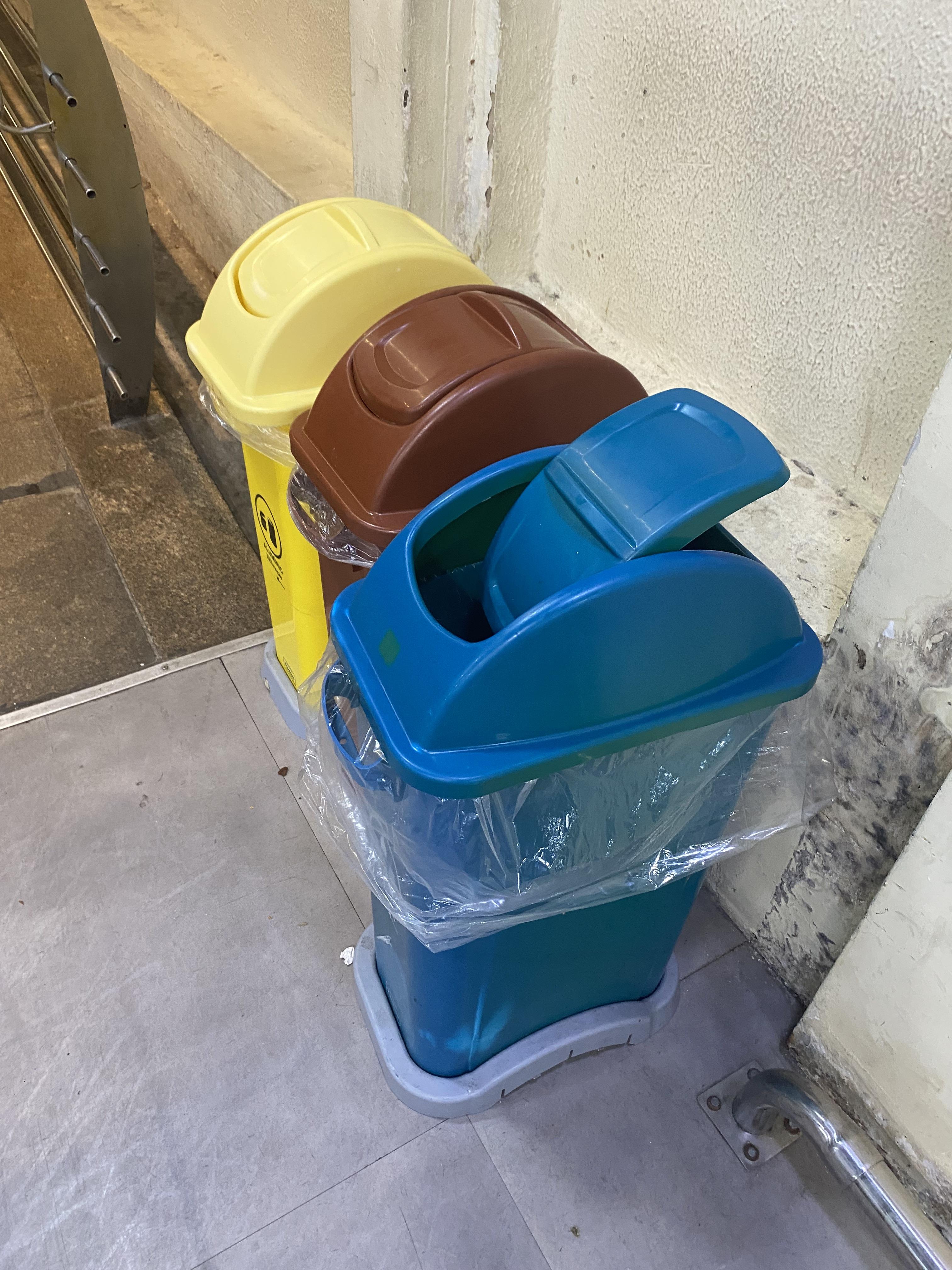
The history of sanitation in Brazil is long and dates back to the pre-colonial period before the sixteenth-century. In terms of present conditions though, an important law was passed in 2007 that established national guidelines for basic sanitation, including providing drinking water, sewage collection and treatment, solid waste management, and urban rainwater drainage and management. This law not only helps facilitate connection between states and the federal government to optimize the implementation of sanitation practices but also establishes mandated municipal, state, and regional plans for managing services (Gonçalves et al., p. 12).
The community need we'll focus on is sanitation practices in Salvador. In Salvador (and throughout Brazil), Black communities experience environmental racism. There are six Quilombos in Salvador, which are "Afro-Brazilian communities originally founded by formerly enslaved people and now legally recognized in the Brazilian constitution" (ThinkLandscape, p. 1). The water in these communities is increasingly becoming polluted by the military, petroleum refineries, and industry. Additionally, these communities often receive less access to clean water and sanitation.