How do you build one of the largest cathedrals in the world without cranes, power tools, computers, or modern engineering equipment? That was one of the first questions I had when I walked into Seville Cathedral. The ceiling seems impossibly high. Huge stone columns rise from the floor, stained-glass windows fill the building with colored light, and everywhere you look there are paintings, sculptures, carvings, metalwork, and decorations.
Seville Cathedral is a religious building, but you do not have to study religion to learn from it. Walking through a cathedral like this is almost like walking through a giant classroom where dozens of school subjects come together in one place.
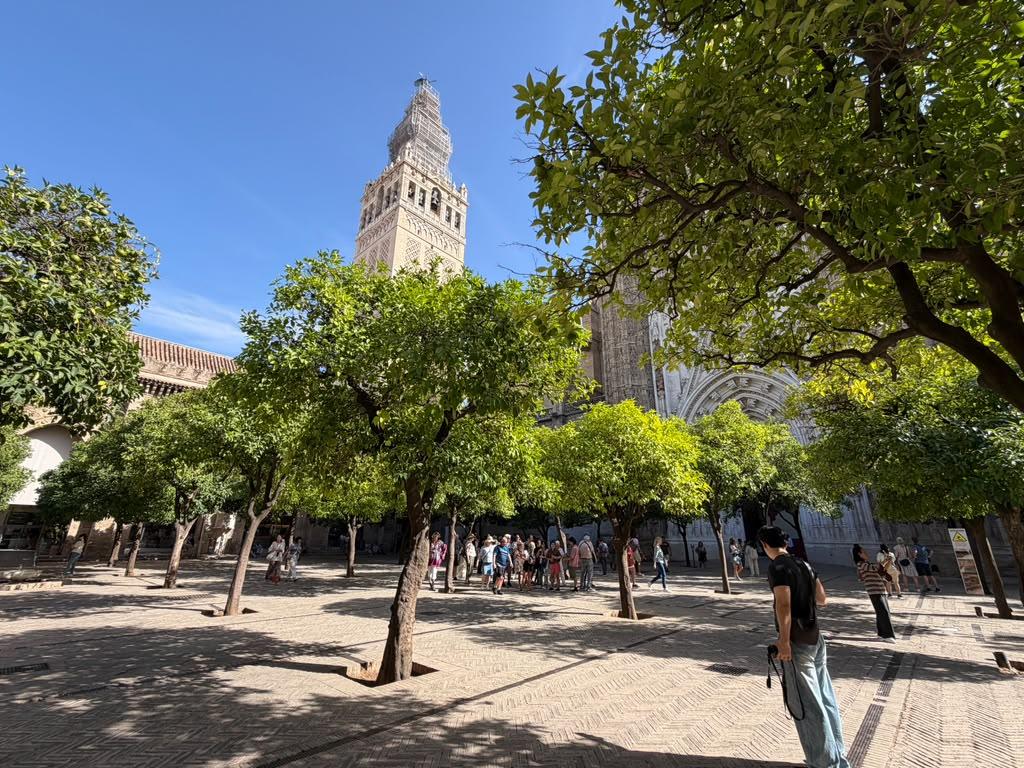
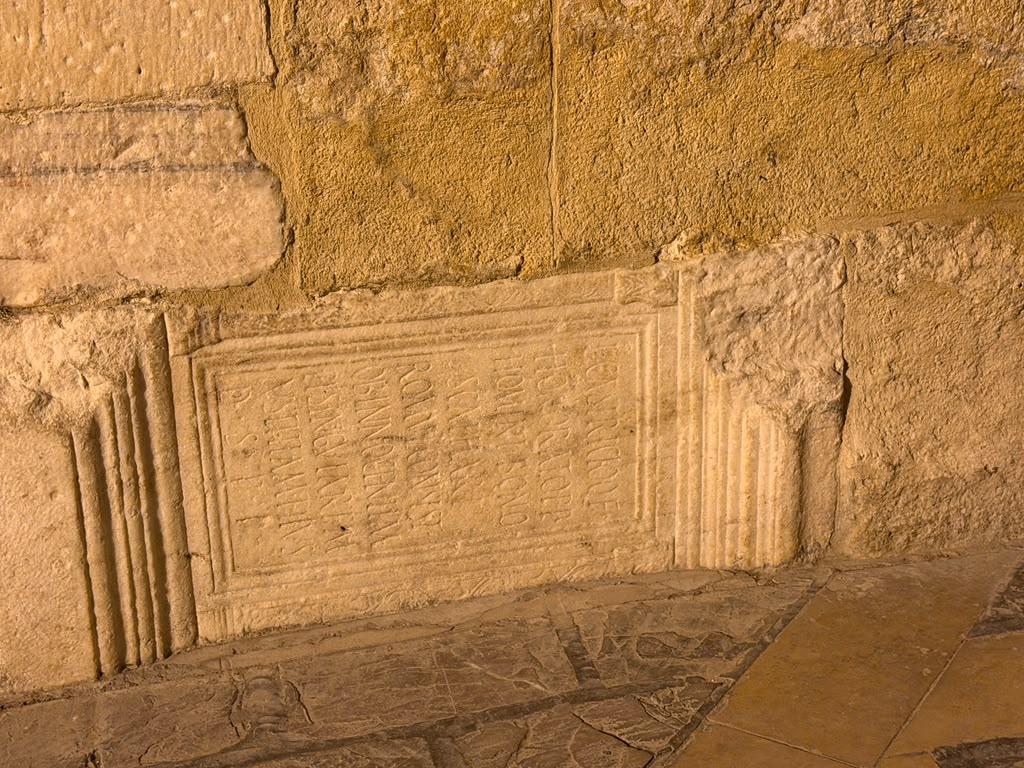
Start with history. Construction of the cathedral began in the early 1400s on the site of a large mosque that had been built when Seville was under Muslim rule. Parts of that earlier building still survive. The Giralda, the cathedral's famous bell tower, began as a minaret. Even some of the stone used in the tower came from much older Roman buildings.
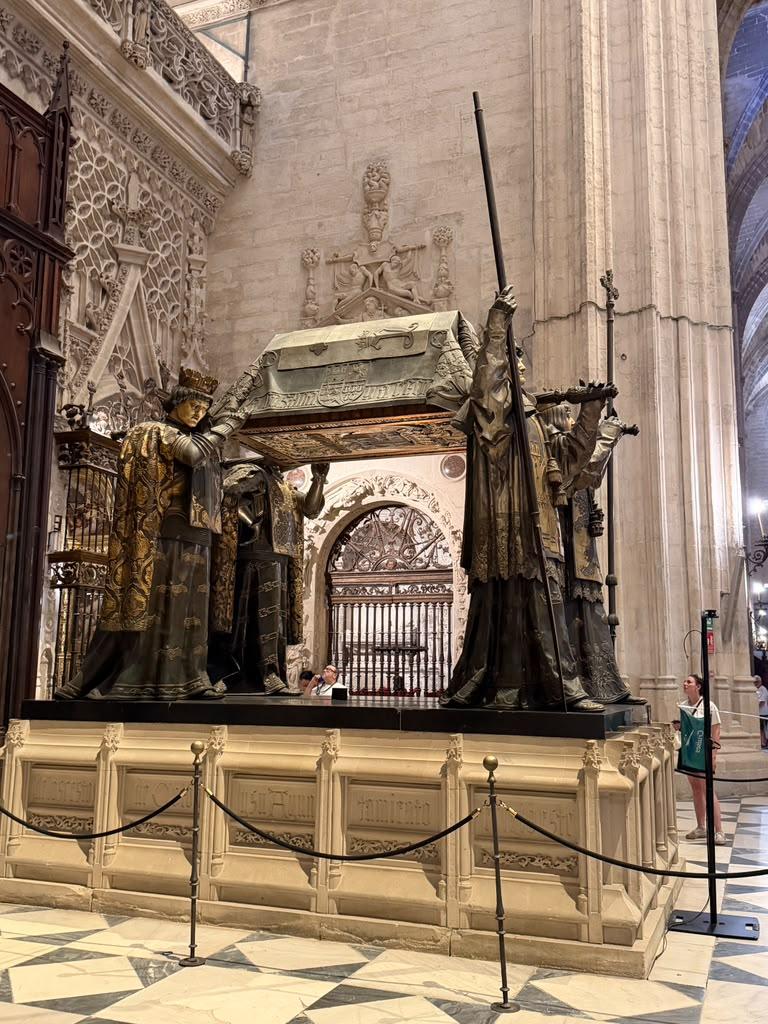
That means one building can contain pieces of several different periods of history. And the history does not stop with the building itself.