A pig's hind leg is salted and then cured for months or even years. Instead of cooking the finished ham, very thin slices are cut directly from the cured leg. I have seen entire legs of jamón mounted in special holders behind restaurant counters.
Tapas aren't one particular recipe. The word describes small portions, so they can be extremely simple, such as olives, cheese or slices of jamón, or they can be cooked dishes involving seafood, meat or vegetables.
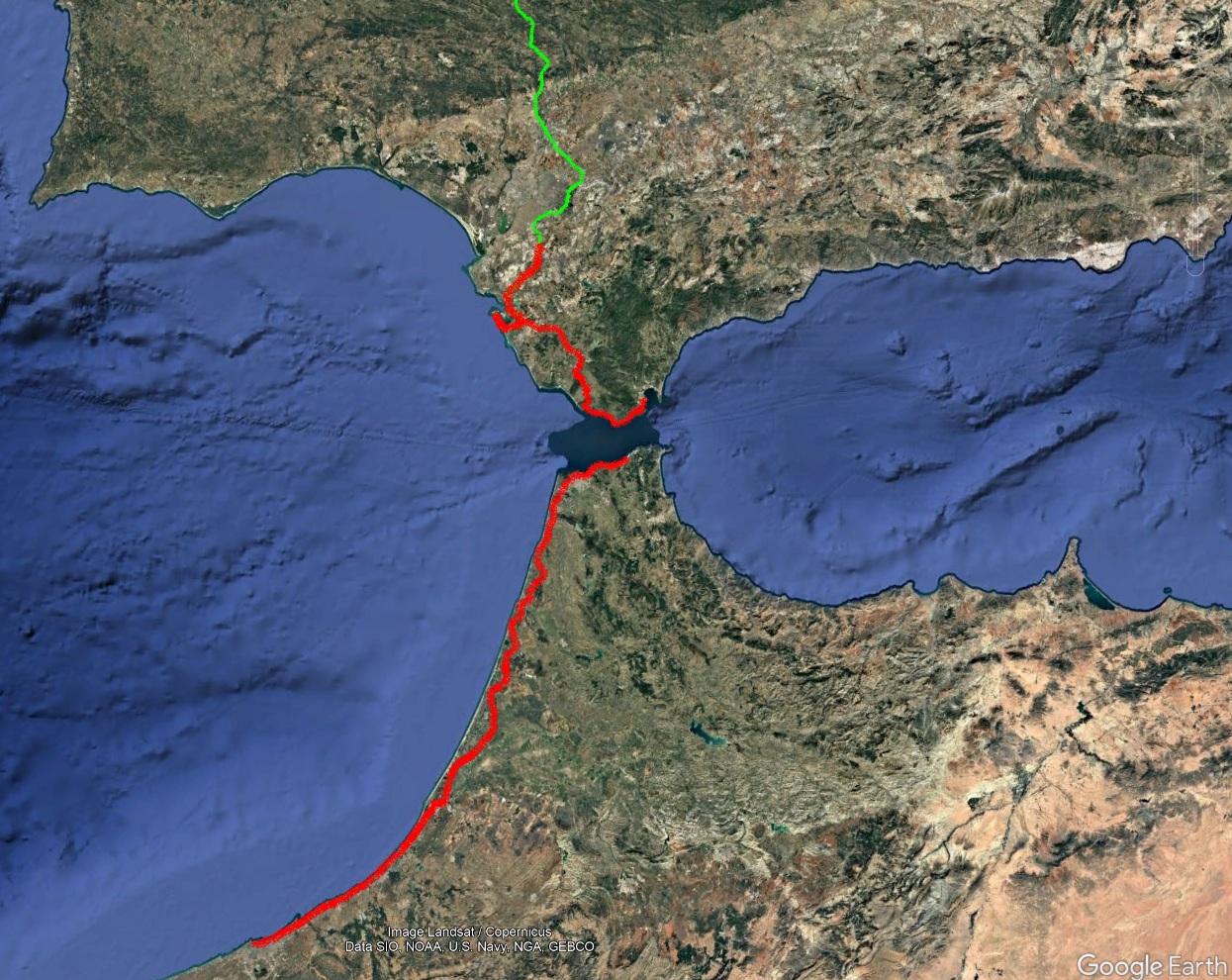
Very much so. While cycling through Morocco, I passed agricultural areas growing some of the same types of foods that appeared on my table. Olives, grains and citrus fruits are important parts of Moroccan agriculture. Around Rabat and the surrounding coastal farming region, I also rode past fields where crops such as strawberries and avocados are grown. Morocco exports both crops, but seeing agriculture firsthand from my bicycle made the connection between the landscape and the food much more obvious.
That was one of the advantages of traveling by bicycle. I wasn't just seeing food after it arrived at a restaurant. I was riding through the farmland where some of it was being grown.
Spain provides another fascinating example. Jamón ibérico comes from Iberian pigs, a breed native to Spain and Portugal. Some of the most prized pigs spend part of their lives roaming a landscape called the dehesa, where scattered oak trees grow across open grassland.