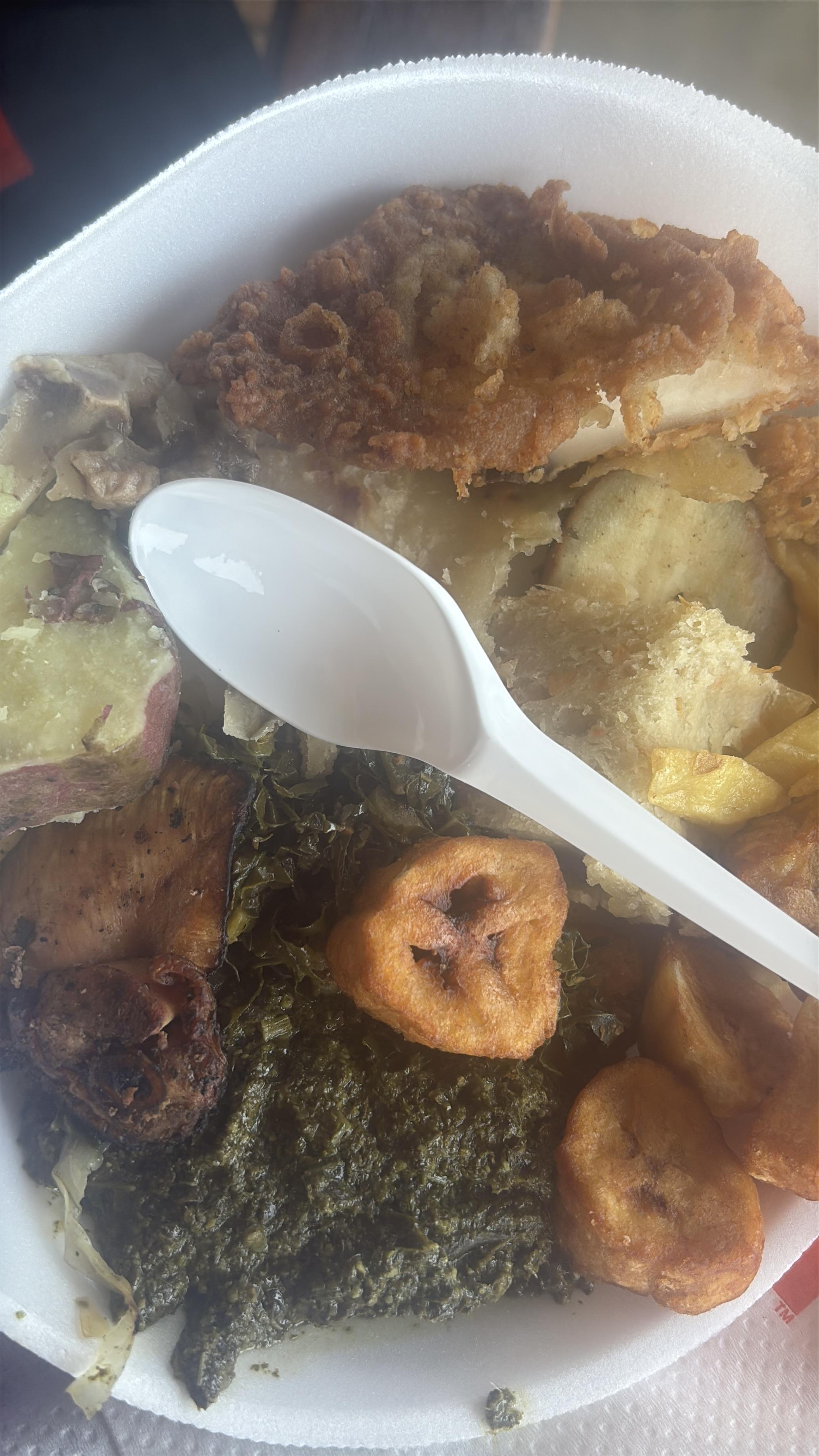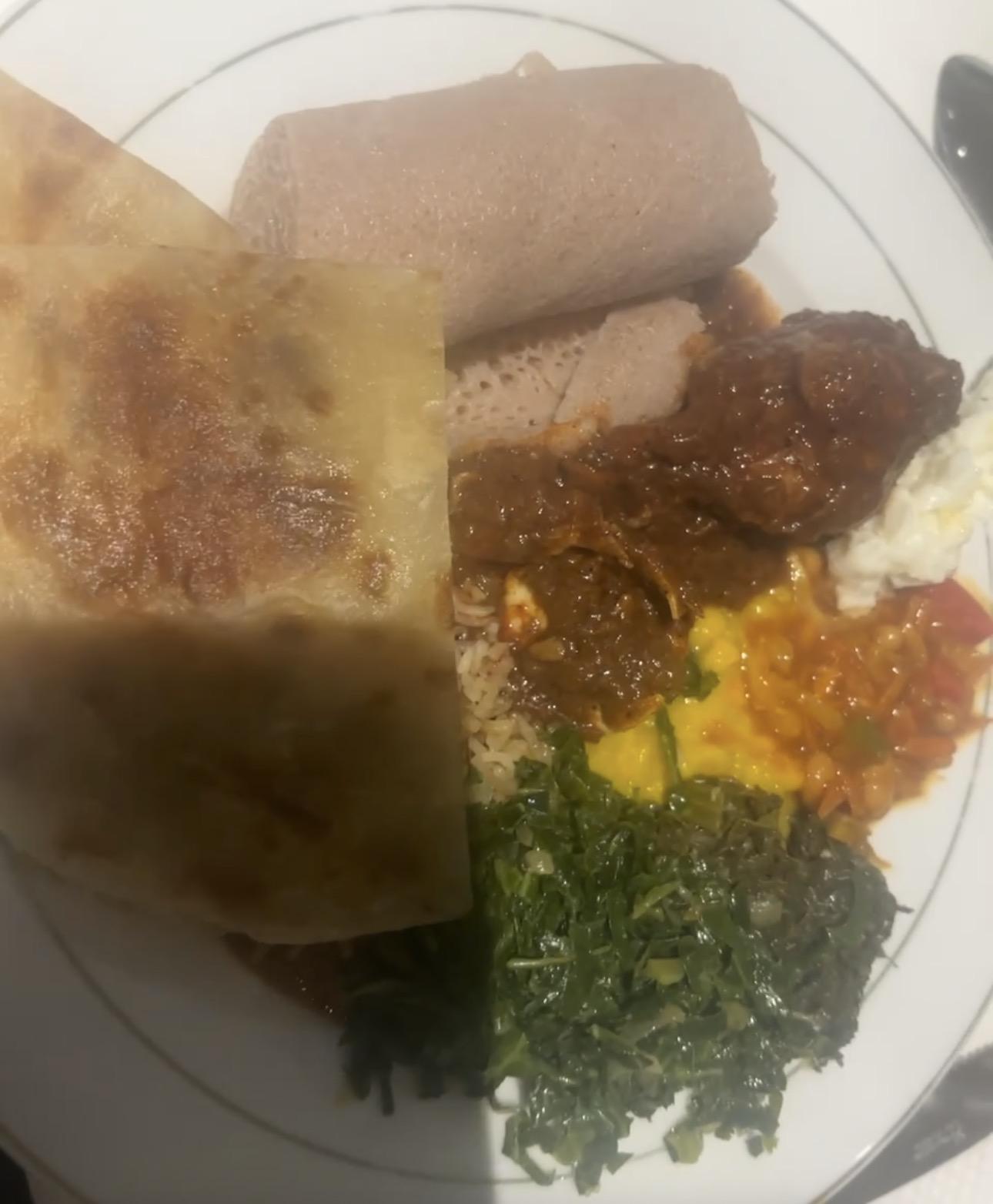
Did you know that maize is not native to Africa? It was introduced from the Americas centuries ago and quickly became the dominant crop because it produces a lot and adapts well to the varied subtropical and tropical climates of Southern Africa, like Eswatini’s. More than just a food, pap is an ecological, economic, and cultural anchor.
It is also a source of livelihood for many rural families. Maize is usually planted during the rainy season so that a household has enough grain to grind into pap to last the year. Lastly, pap connects many cultures across Africa. It is known as pap in Eswatini, ugali in East Africa, sadza in Zimbabwe, and couscous de maïs in parts of West Africa like Cameroon. This dish works as a shared language, a symbol of community, and a vessel for heritage that binds generations and ethnic groups together. Who knew a simple dish shared with my co-workers would become my definition of home away from home?