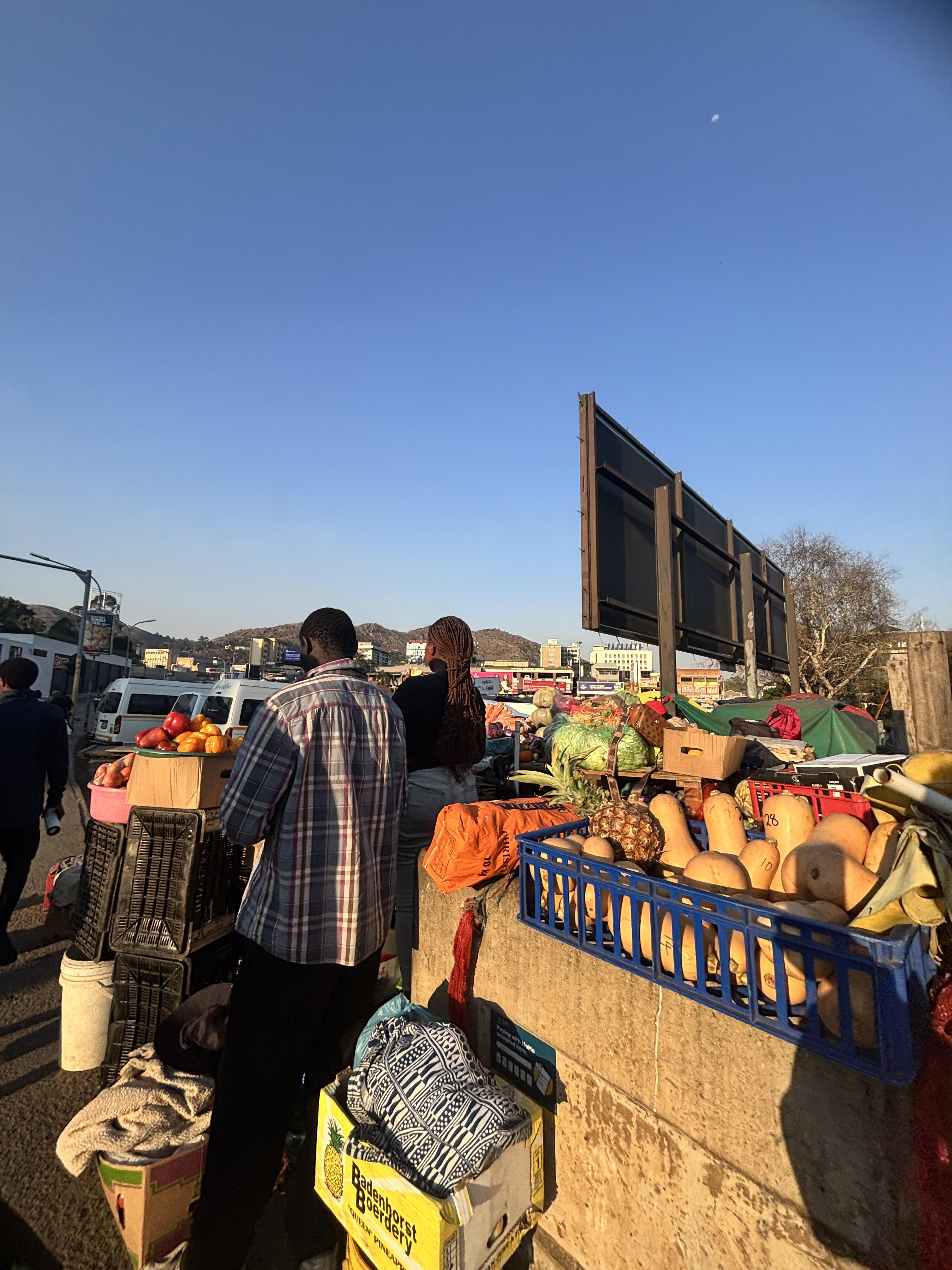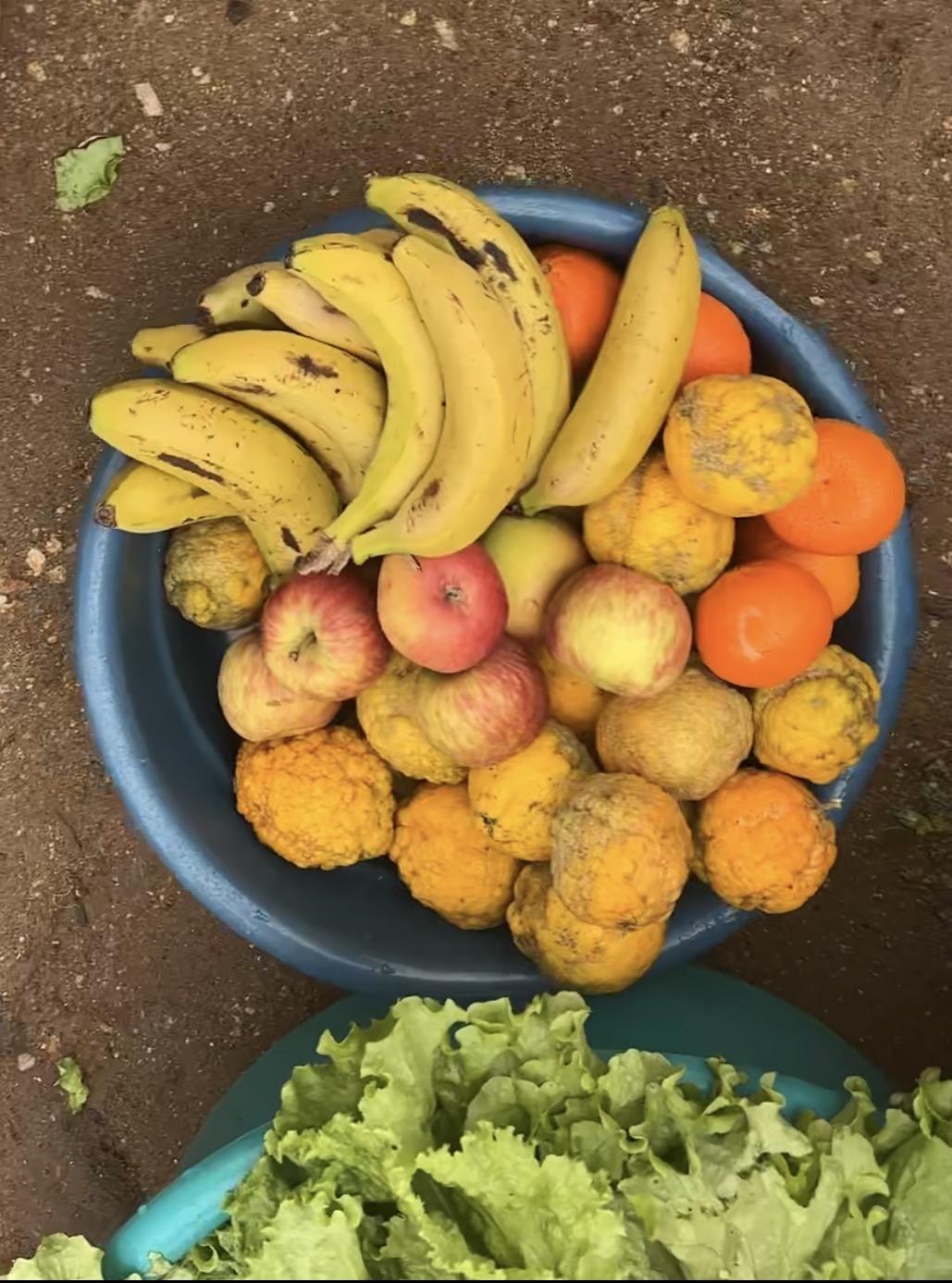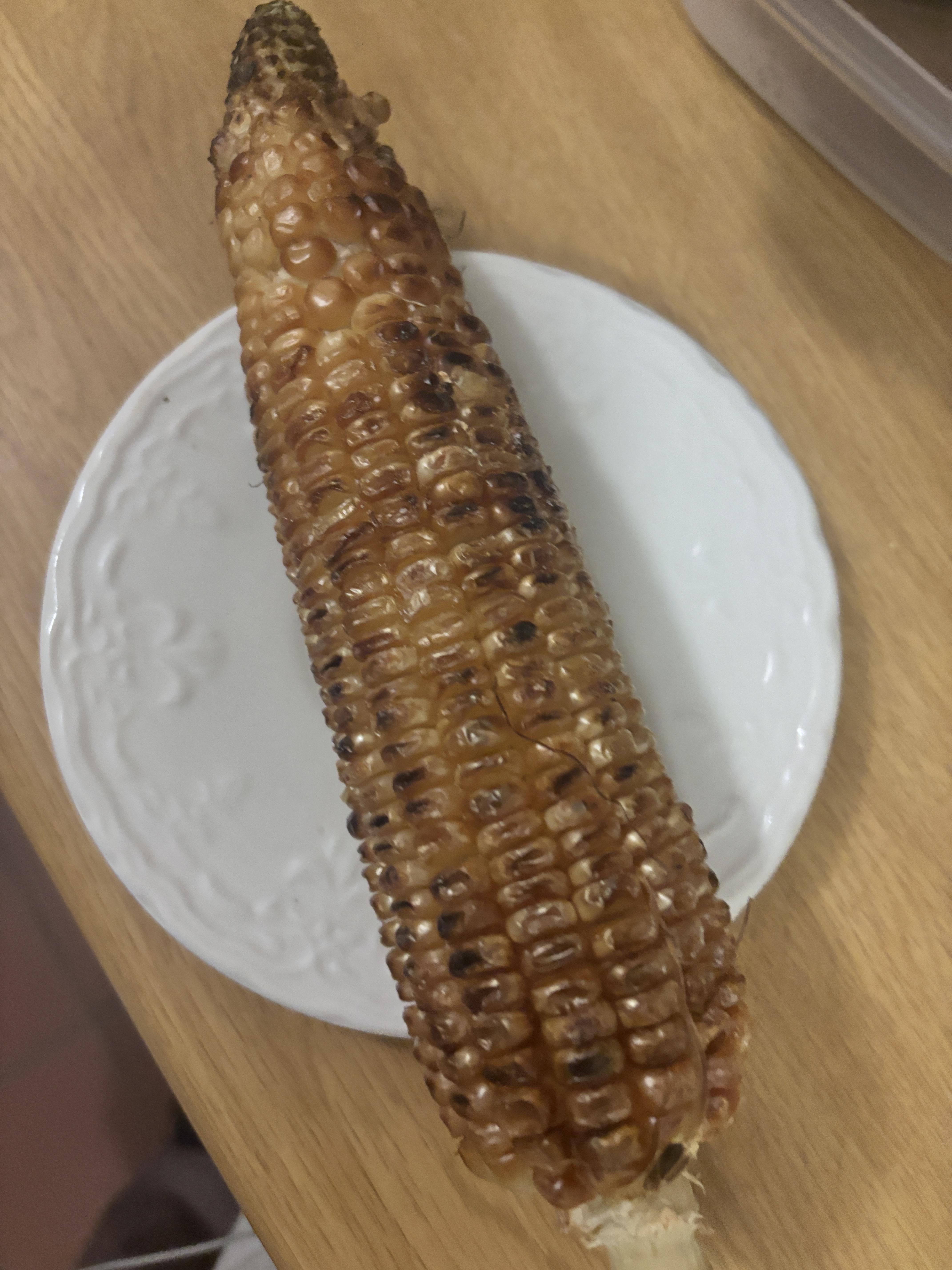
In Mbabane, the capital city, you often see this food on the street, where locals sell fruits, vegetables, and snacks, and where you can bargain for the price. How lovely is that? Other times, you see it in grocery stores, where one of the most common ingredients is maize.
Maize is at the core of Eswatini’s food culture because it is a hardy, accessible crop that can be stored long-term and easily transformed into the country’s daily staple. You see it in so many food choices: meals, snacks, and drinks. There are maize chips, my favorite being Nik Naks, and a maize drink called Mahewu, a smooth, porridge-like drink that is slightly sweet and tangy.
As a Rwandan American living in Eswatini, I see similarities between our dishes. We Rwandans also use maize in many different ways. We have a drink similar to Mahewu, but ours includes sorghum, millet, and soy flour. We call it Igikoma, and it is served hot as a breakfast drink with Amandazi, which are known as "fat cakes" in Eswatini. I’ve been amazed by how similar our cuisines are, but the dish I’ve been loving most is pap.