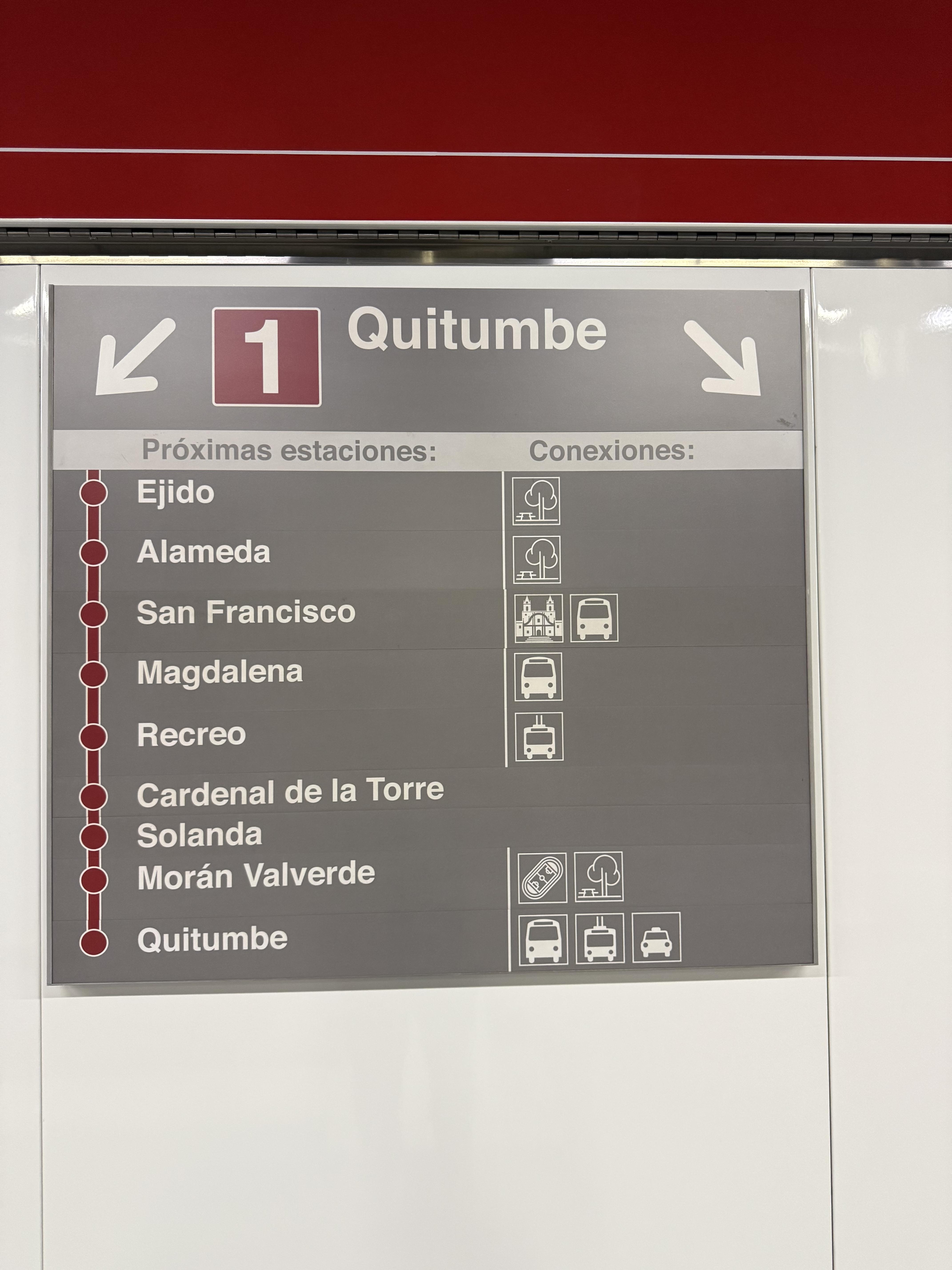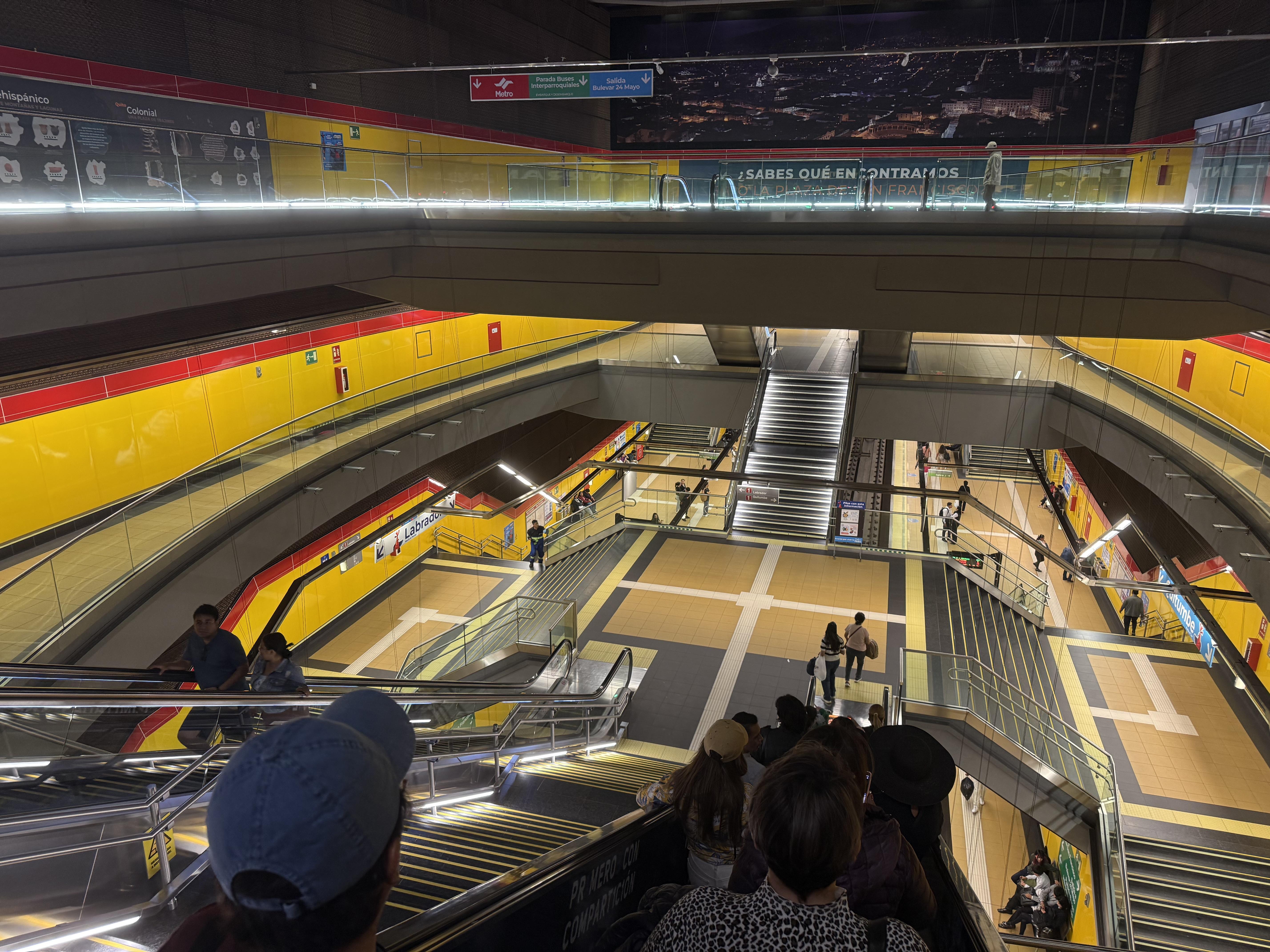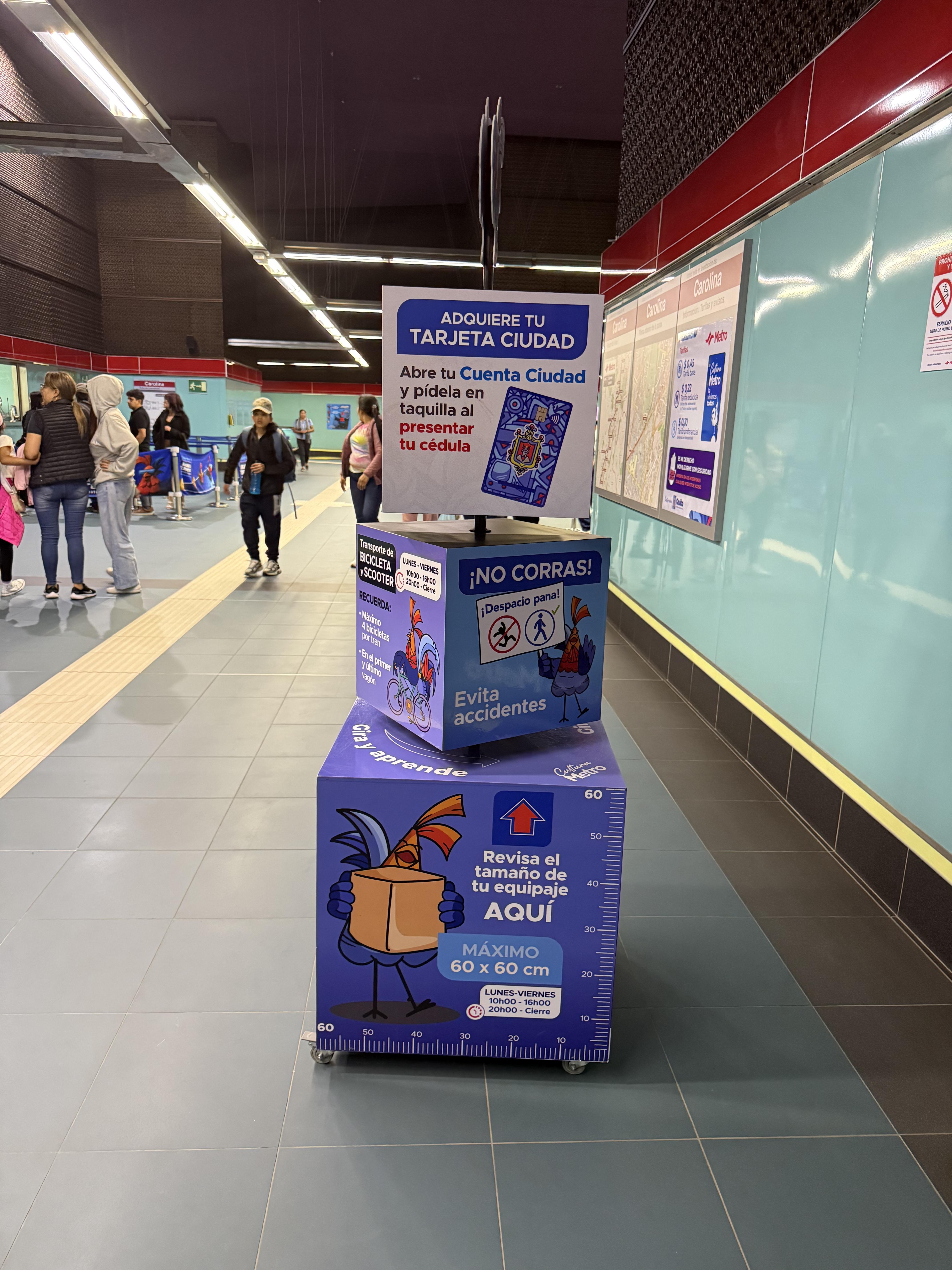
Something many Americans take for granted is car use. In fact, 92% of U.S. households own cars, according to 2023 data from the U.S. Census Bureau. But in Quito, which has roughly 2.7 million inhabitants, not everyone uses or can afford a car. Compared to the United States, Ecuadorian car usage and ownership is significantly lower. So, how do people in the country get around? The answer is simple: a robust public transit system. I am lucky to live only a block from Ecuador's latest addition, the Quito Metro.
I learned about the need for public transportation. Quito is a bustling city, with a population that rivals that of Seattle. It's home to millions of people, each one with somewhere to be and a need for a safe way to get there. There are motorcycles, cabs and buses, but these all have their own drawbacks, mainly that they can all get stuck in traffic. Although Ecuador has a generally relaxed culture when it comes to timeliness, there are still circumstances where it's important, such as making it to class, going to work or getting to a doctor's appointment. It's also important to travel safely. Unfortunately, there has been at least one car crash a month outside my apartment, and with motorcycles darting through the smog of the vehicles that surround them, many people can get hurt.