It was extremely cool to watch the flames engulf the mountain of wooden that has been piled in the city center all week.
The festival traditionally ends on Tuesday with another bonfire, but this time a coffin is burned to represent the end of winter. Sadly, I had to leave on Monday to prep for another trip, but I truly felt immersed in the festival and had seen and experienced so much. I will never forget this event for the rest of my life.
There are two origins of the Busójárás tradition. One comes from the Slavic tradition of dressing up as a creature to scare away winter. The festival was seen as a celebration of prosperity and fertility, where there would be celebrations and then a symbolic burning of a coffin to represent the death of winter.
The other origin is legend that began during the Turkish invasion and occupation of Hungary from 1541–1699. The story goes that the people of Mohács were able to scare away the Turks by dressing up in these costume and making frightening noises. They used cowbells, wooden rattles, and lots of yelling--all of which can be heard in the modern day festival, too.
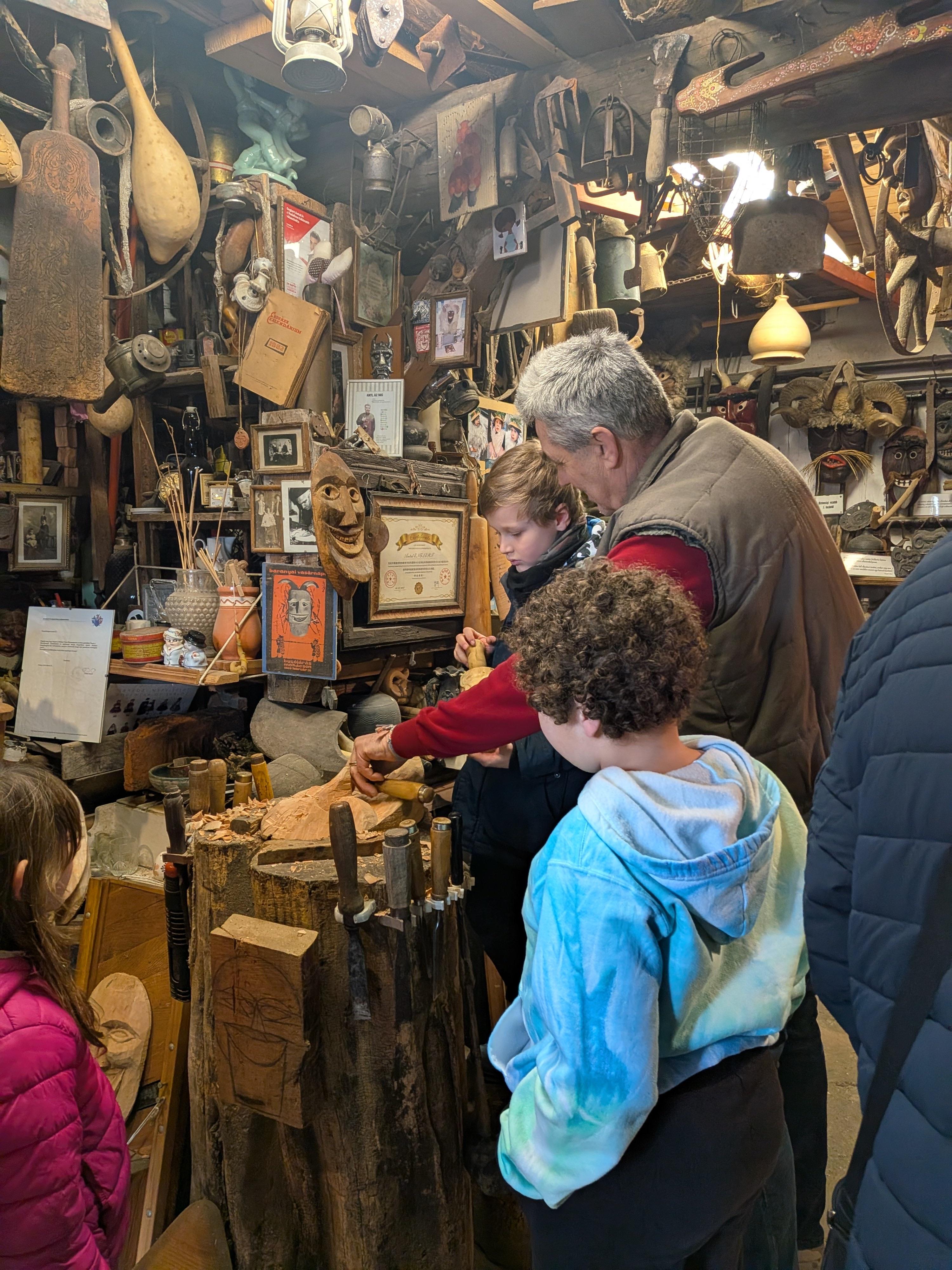
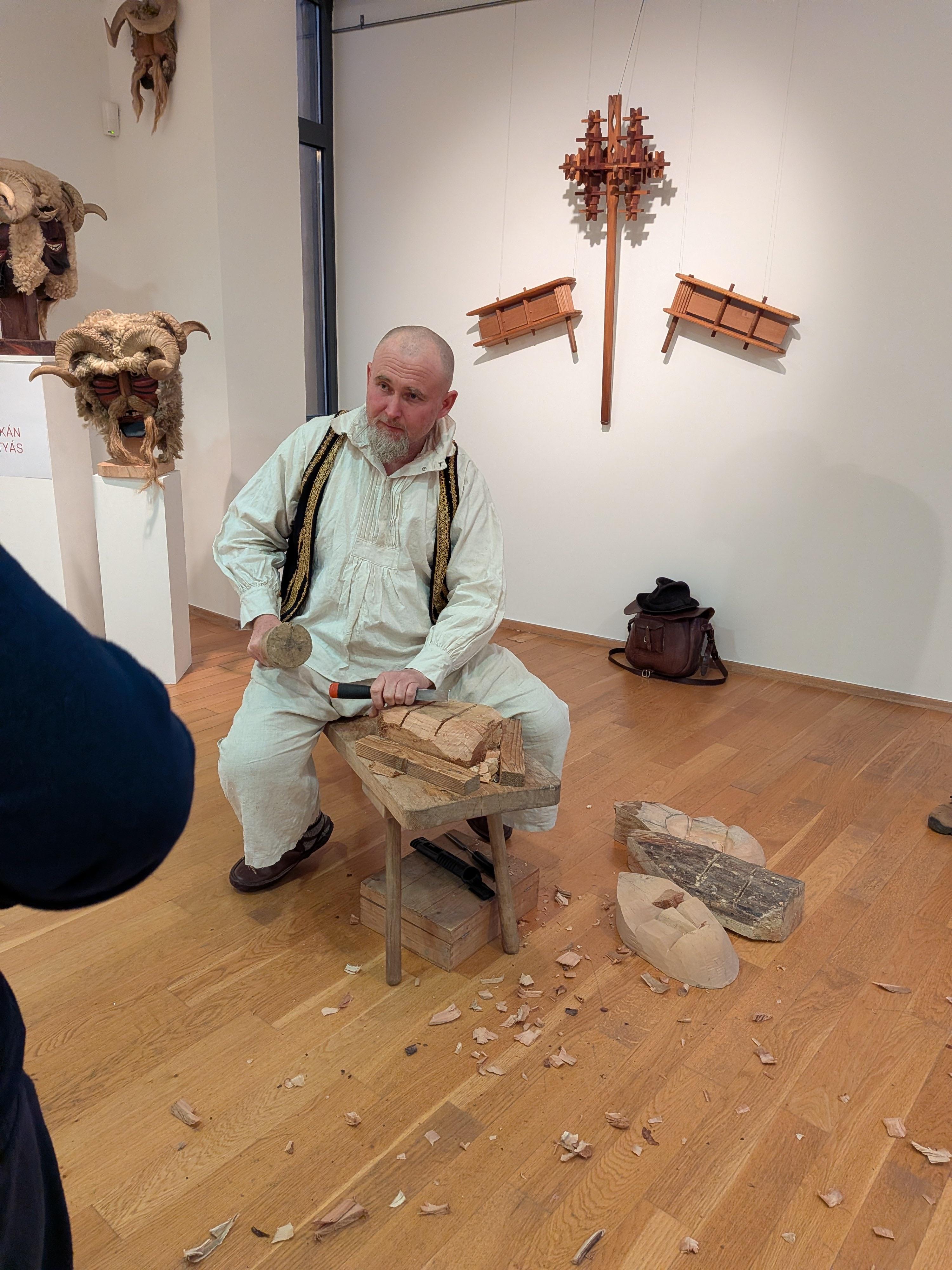
Either way, this tradition stands today as a way to bring together both the locals and outsiders to marvel at the craftsmanship of the Busos costumes, to savor the food of the markets, and to celebrate the end of winter.