This is especially hard because the climate in Jordan continues to get hotter. There is also a political challenge for the government, as Jordanians import a lot of the foods that take the most water to grow. Finally, farmers are trying to grow foods that use less water.
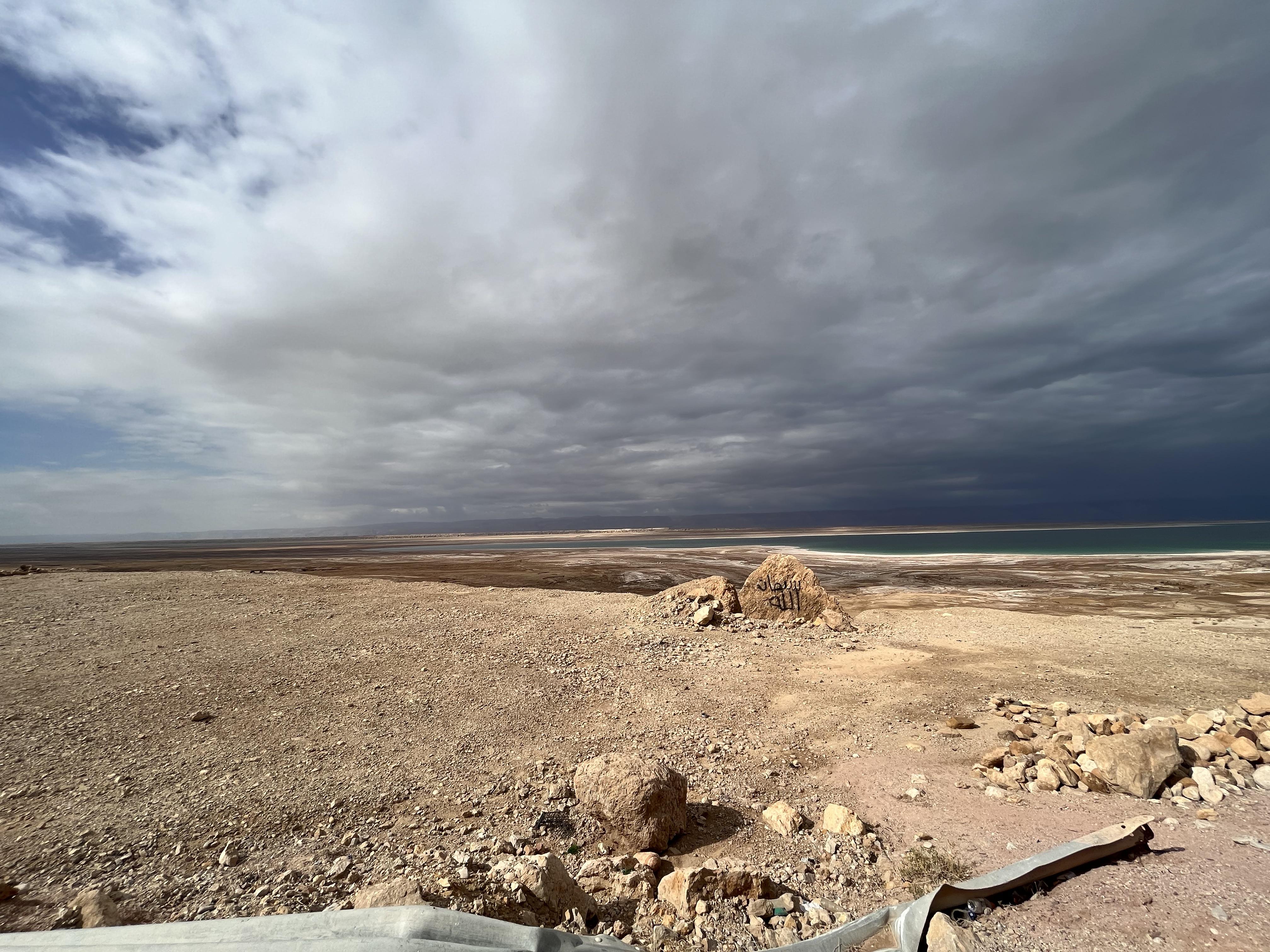
Jordan has three main water sources: the Dead Sea, the Red Sea, and the Sea of Galilee. The Dead Sea has far too salty water, so people can't drink it. Access to The Red Sea and the Sea of Galilee is shared with the Israeli government. This means that every time Jordan wants more water, it needs to have difficult talks with other governments.
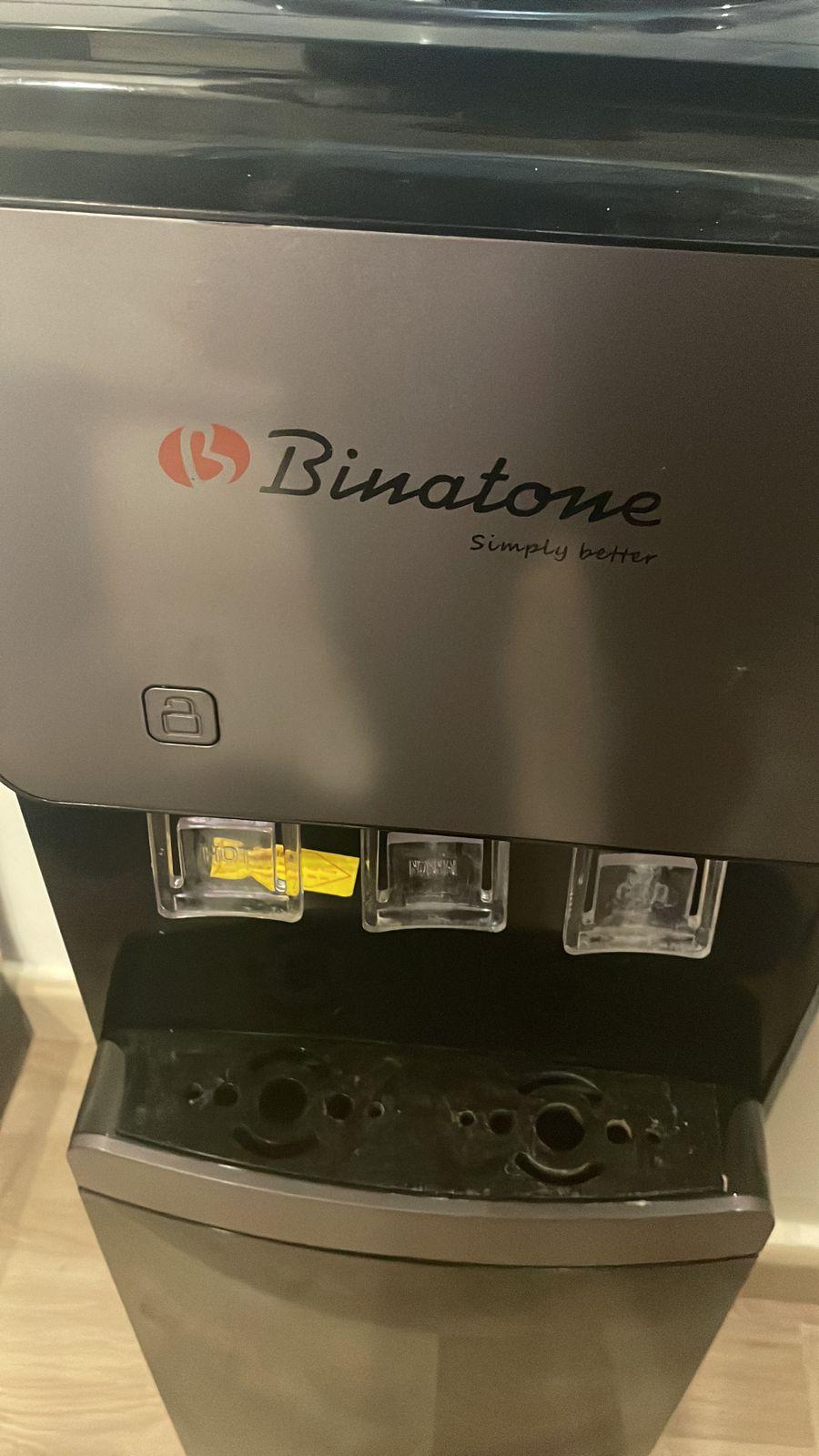
There are several ways people are trying to adapt. First, people take shorter showers, and the showers have less water pressure in order to save water. Second, people only drink bottled water or water from water coolers. Third, people turn the hot water off when they are not using it. Fourth, people receive water deliveries that limit their consumption rather than having 24-7 access to tap water.
Currently, there are several projects that Jordan is doing in order to address the issue of water scarcity. One is called the "Blue-Green Deal" where Jordan will trade its solar power in exchange for water from Israel. This project is very controversial, and not everyone thinks it is a good idea. Another project is to "recycle water." This means taking water that's in Jordan's existing plumbing network, cleaning it, then reusing it. This is also very controversial, as people are uncomfortable with using water that is already dirty, even if it's made clean again.
The water issues in Jordan are the country's biggest challenge by far.