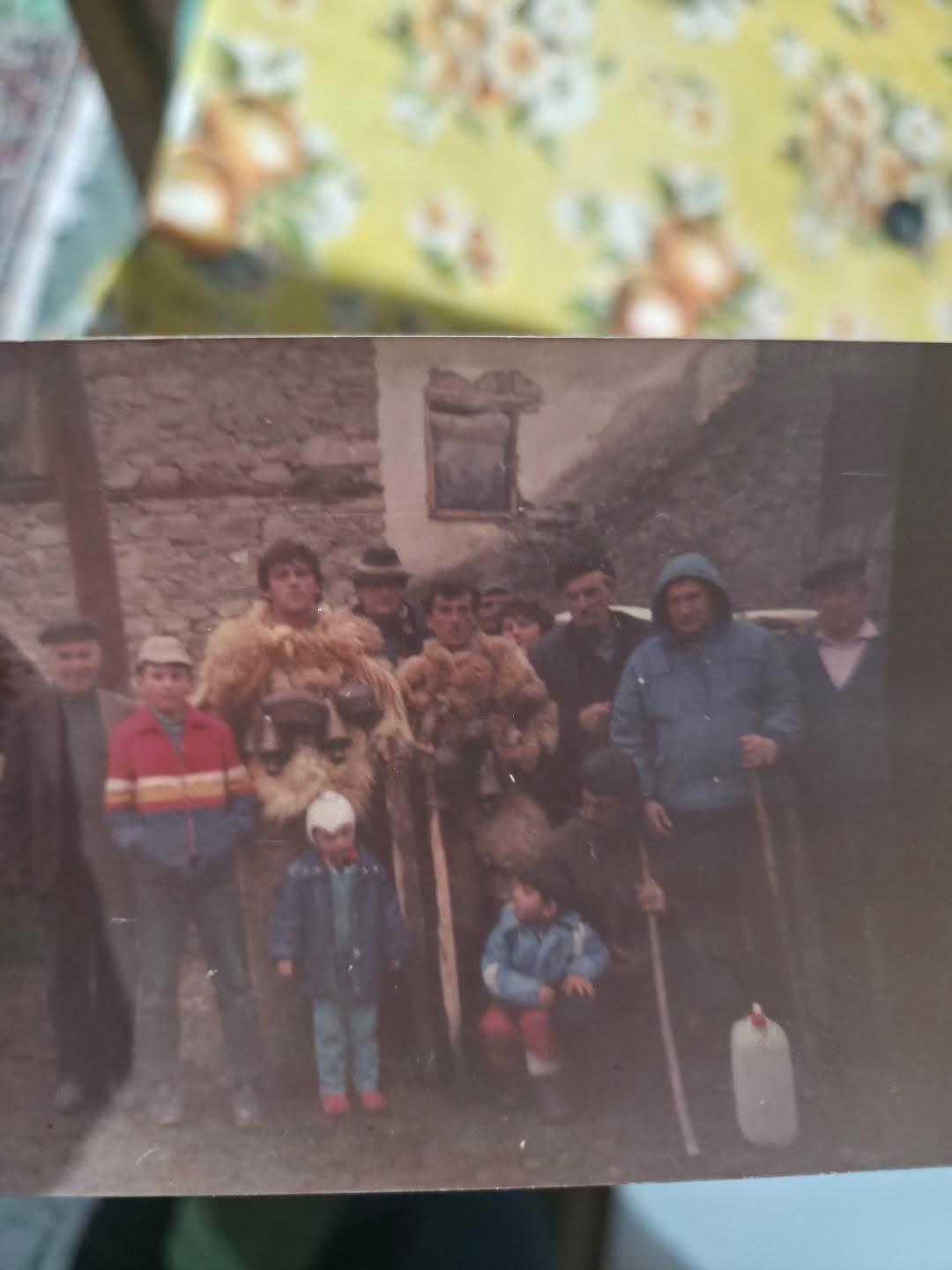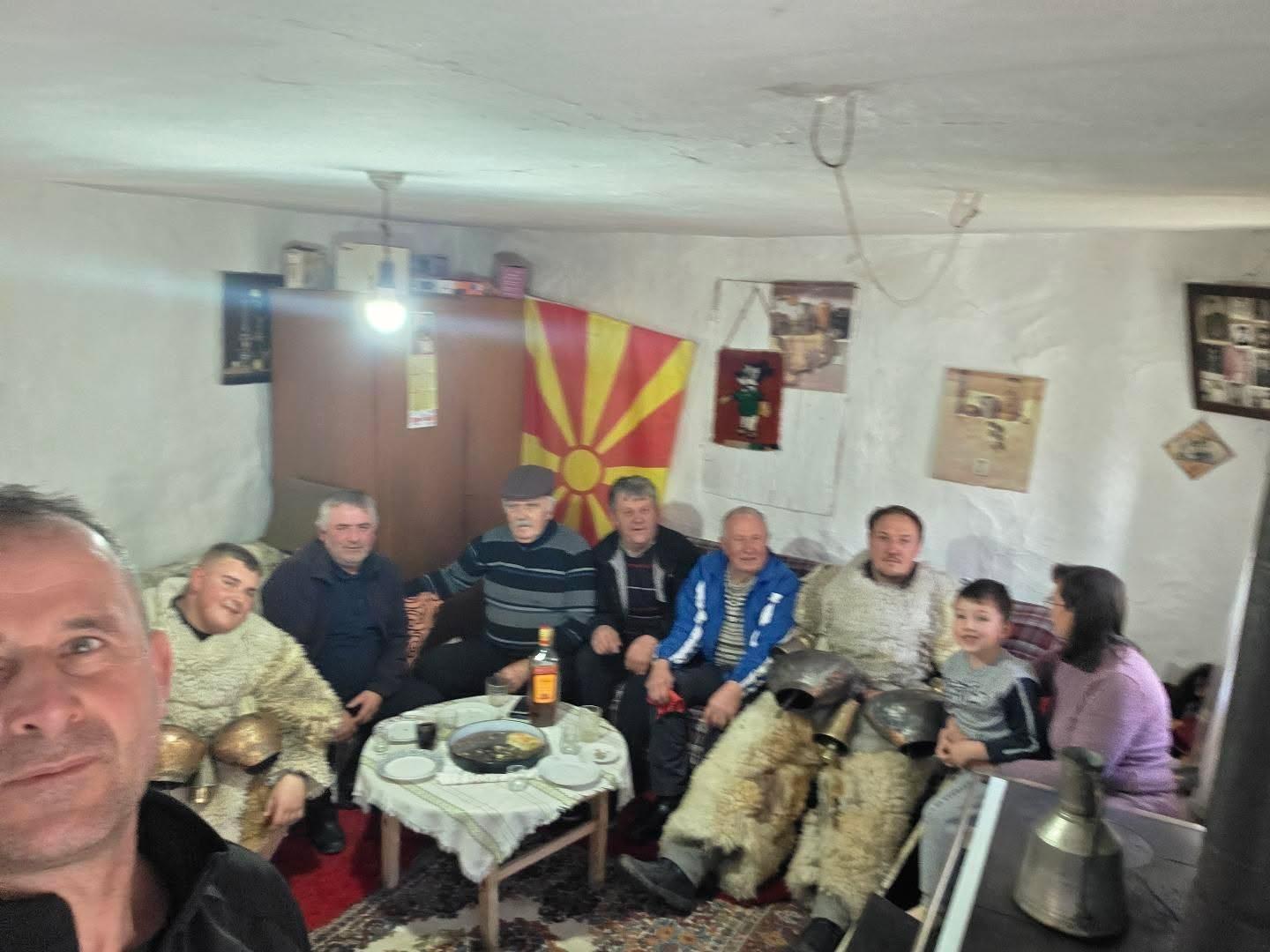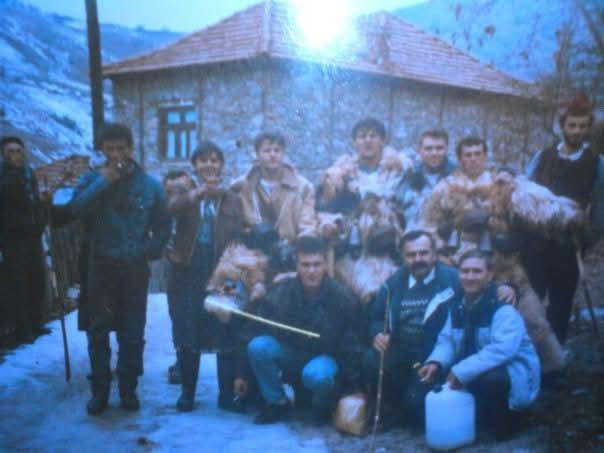
Yes, the tradition of Saint Basil's Day is closely connected to its local environment, particularly the rural lifestyle and agricultural history of the villages where it is celebrated. The use of sheep and goat skins, as well as horns from farm animals, reflects the importance of livestock farming in these communities. The tradition also makes use of locally available materials, such as animal skins, wooden swords, and bells, to create the Babar's costume. Furthermore, the gathering around bonfires in the village centre and visiting neighbouring villages reflect the close-knit nature of rural communities. In this way, Vasilica is not only a religious and cultural tradition but also a reflection of the local environment, resources and way of life.