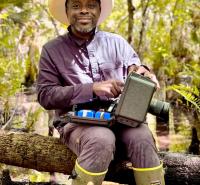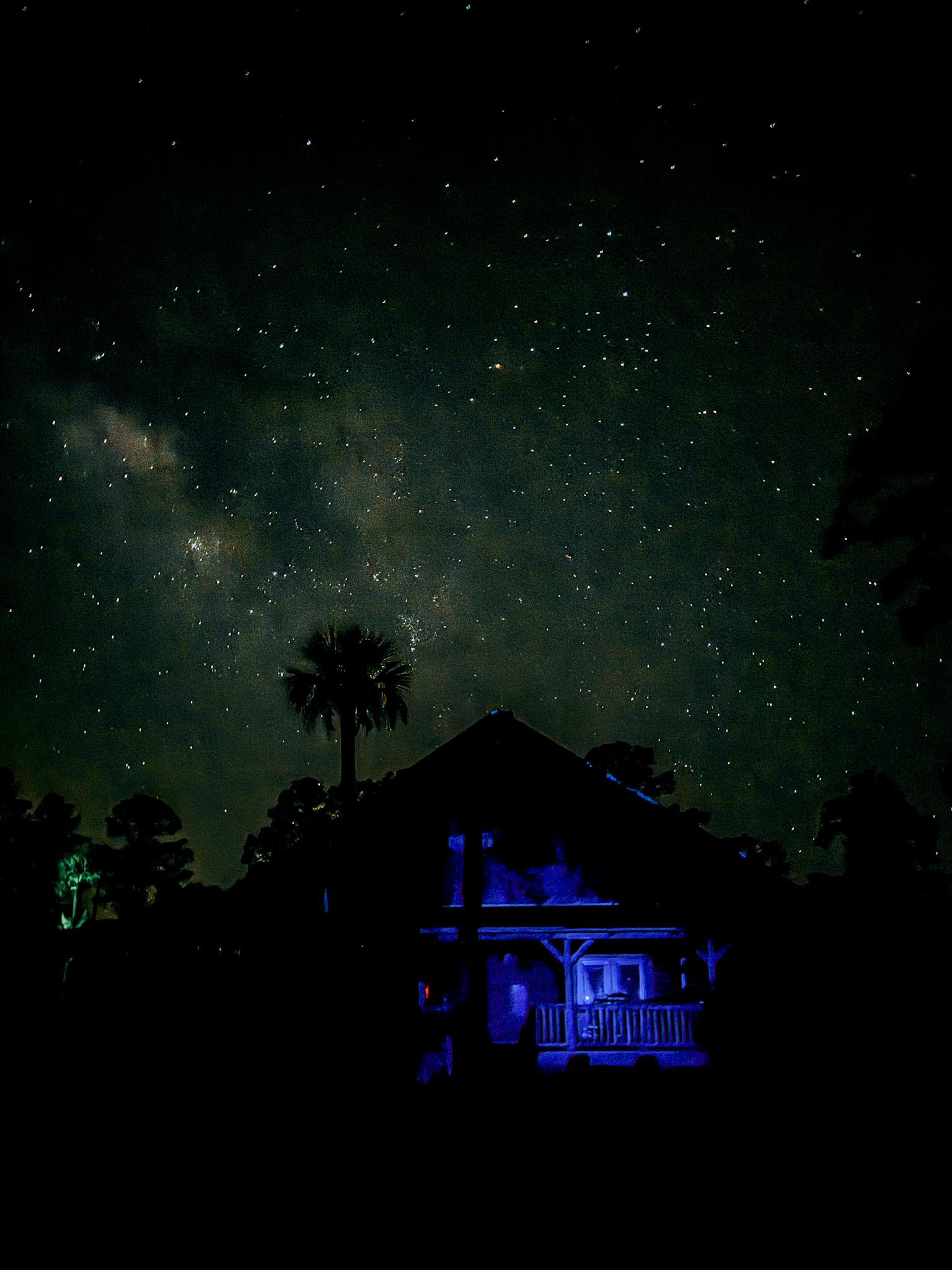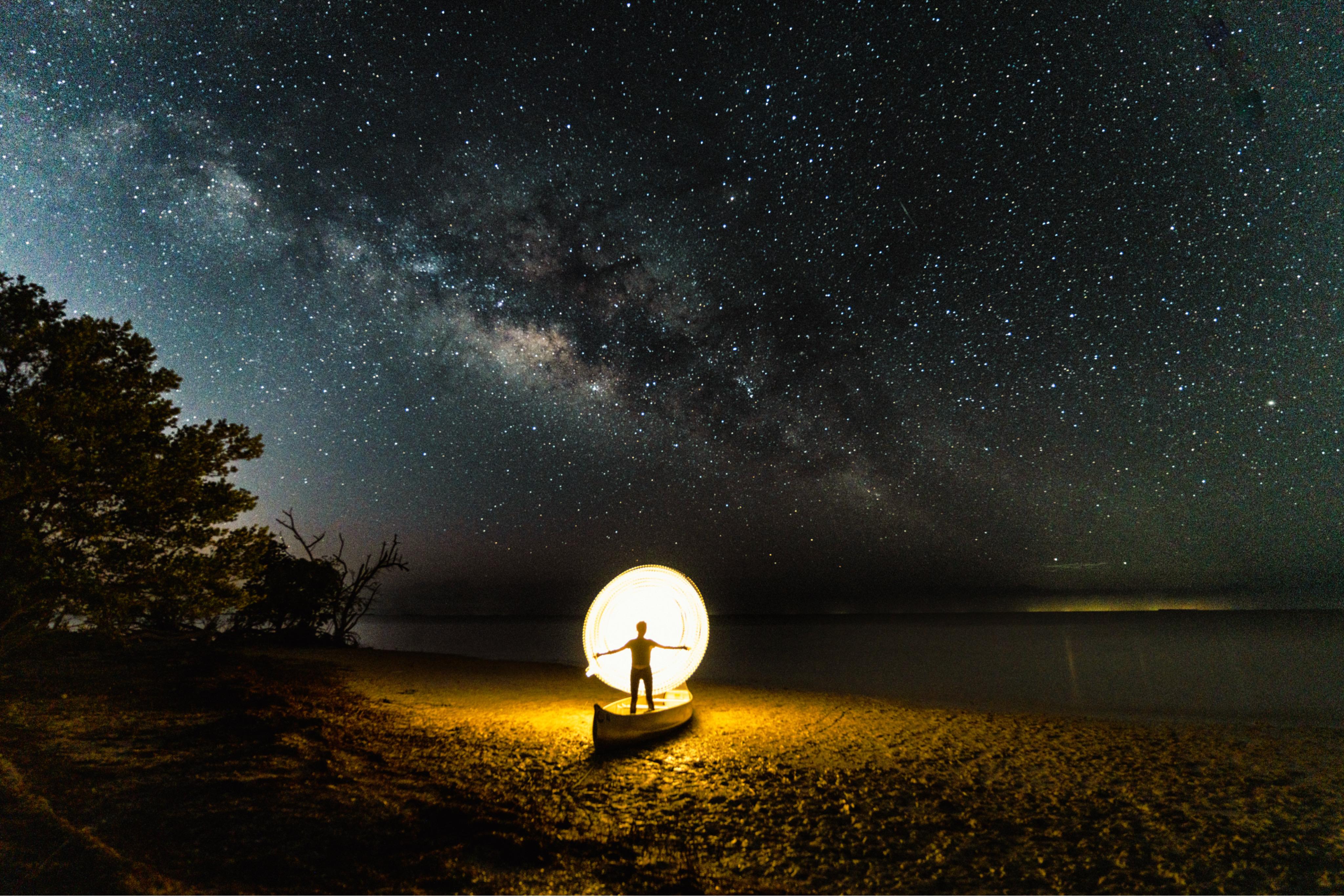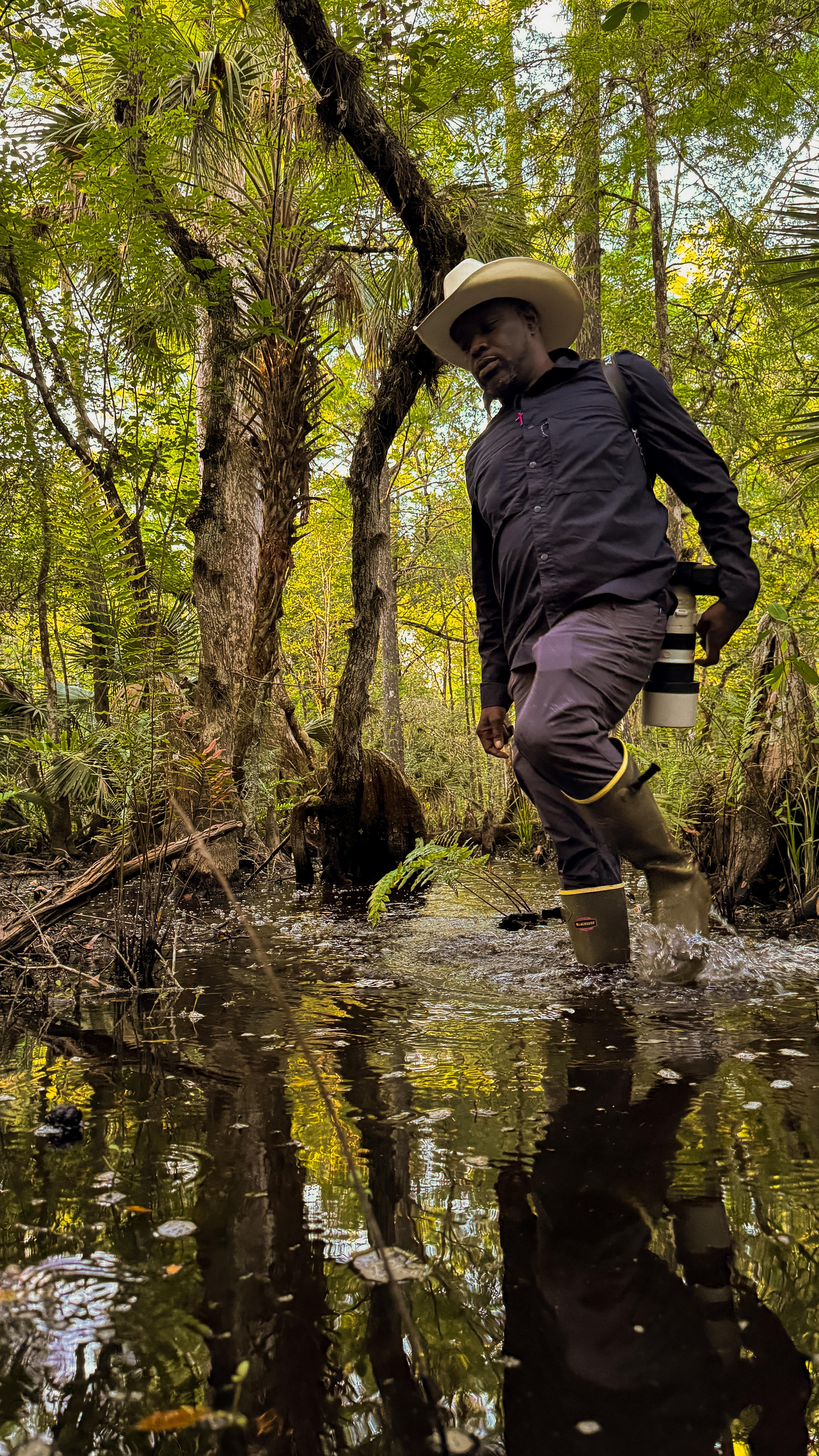
People sometimes think wildlife photography is all adventure all the time. They imagine perfect light, dramatic animals, and exciting moments every day. Parts of the job can feel that way; however, much of the work is quieter than people expect.
A typical week for me starts early, setting the tone for days ahead.
Ever mornings begin before sunrise, when the light is soft, and the air feels different. Before I head out, I check my gear and think through the day. I make sure my cameras, batteries, memory cards, and other field equipment are ready. In a place like the Everglades, preparation matters.
Conditions can change fast, and being outside means you must stay alert.
After preparing, some days are dedicated to scouting. On those days, I walk, look, and learn, paying attention to the landscape. I search for signs of wildlife and might notice tracks, trails, feathers, or changes in the vegetation. These details help me understand how animals are moving through a place.
Other days, I am checking or setting camera traps. This part of the work takes patience. I must think about where an animal might walk, what direction it might come from, and how the camera will respond when it happens. Then I must leave it alone and trust the process.