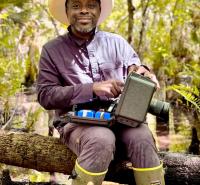
That trust is not always easy.
Sometimes I check a camera trap and find many empty frames or photos triggered by wind. Sometimes I get common animals. Sometimes I get something I did not expect at all. That unpredictability is part of what makes the work exciting. Nature does not follow a script.
Beyond time in the field, a typical week also includes hours behind the scenes. I spend hours organizing files, reviewing images, charging batteries, cleaning gear, and thinking about what I am learning. Photography is not only about taking pictures. It is also about reflection. I want to understand what worked, what did not, and how I can tell a stronger story next time.
Storytelling is a big part of my week, too. I spend time thinking about how to share what I see in a way that helps people care. My aim is for my images to do more than show an animal or a landscape; I want them to help people feel connected to places they may never visit.
Through this, I hope others see that conservation is about more than wildlife—it's also about people, access, water, history, and the choices we make.
Some weeks, I meet with students, organizations, or people who work with the land. These conversations remind me my job is not just fieldwork—it’s also about helping others see why these places matter. What I like most is that no week is the same. Some weeks are quiet and full of preparation. Other weeks bring surprises. That is one of the best parts of working in nature. You can plan, but you also must stay open.
Nature is always teaching you something.