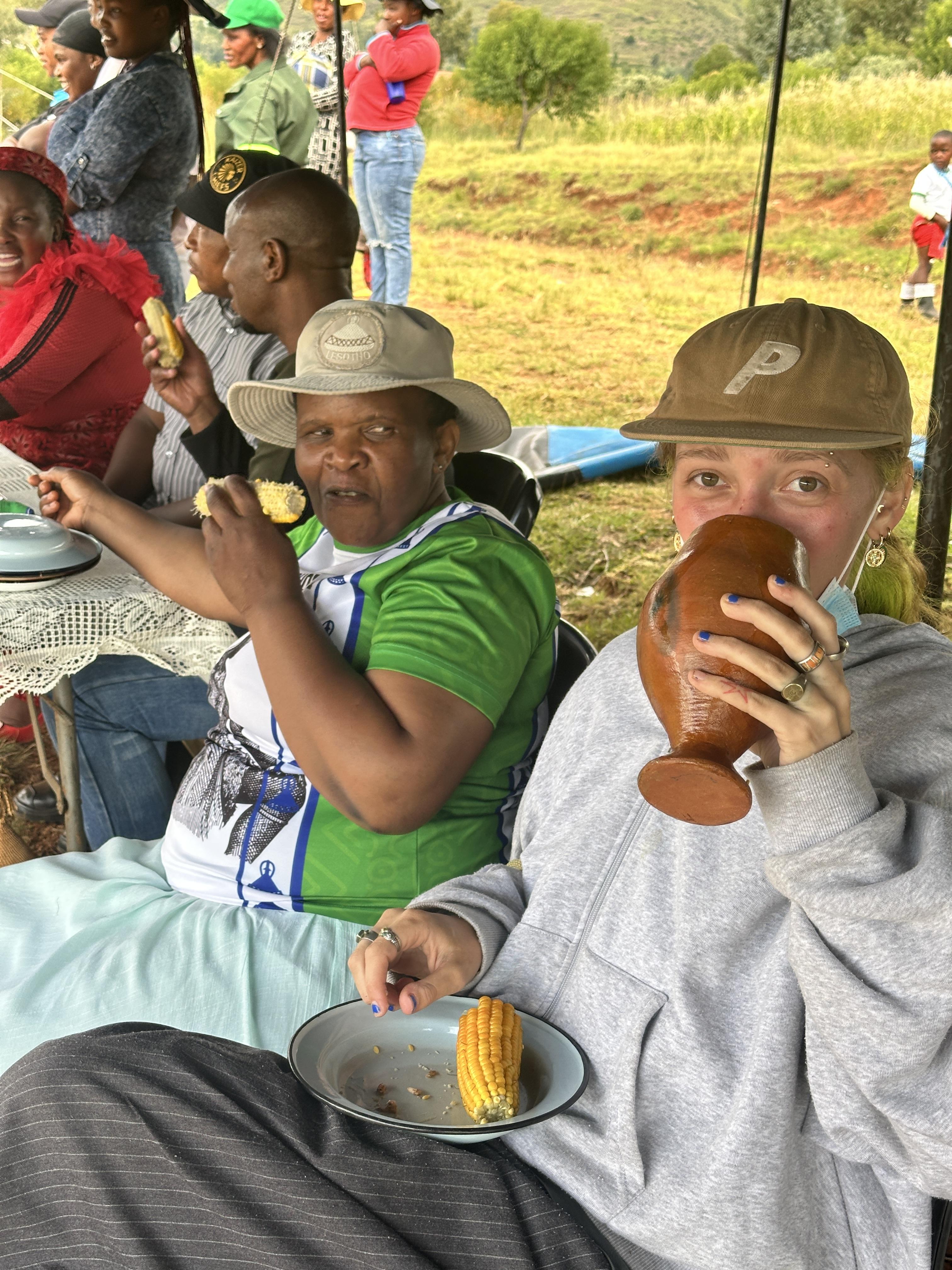
Yes, this tradition is connected to the environment in Lesotho. Many people in Lesotho live in rural villages where families raise animals such as cows, sheep, goats and pigs. When there is a feast, one of these animals may be used to prepare food for the celebration.
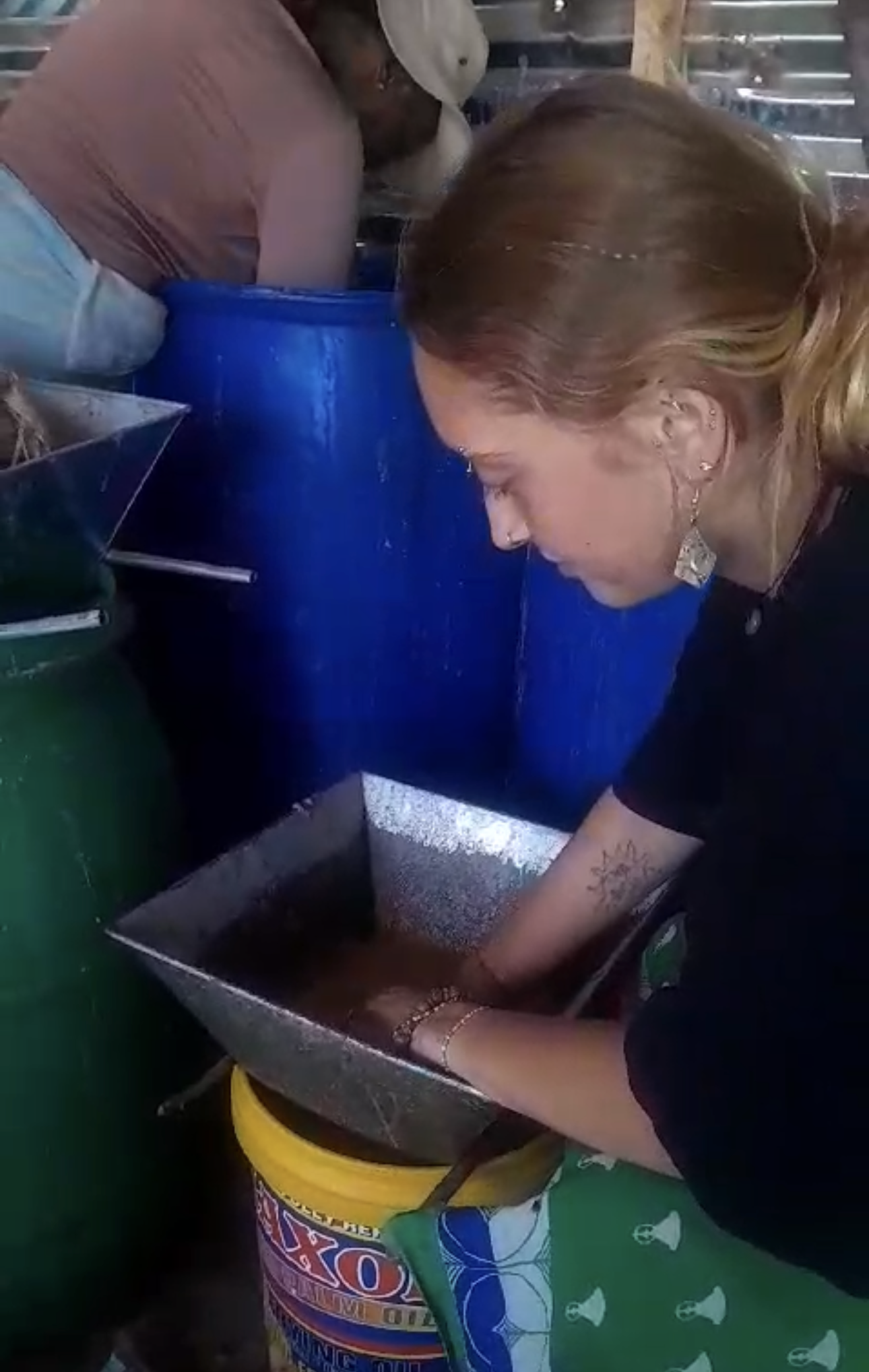
Many of the foods eaten at feasts are also grown locally. Families often grow crops like maize, beans, pumpkins and leafy greens in their gardens or nearby fields. Because grocery stores can be far away in some villages, people often cook with food that they grow themselves or get from neighbors.
The environment also makes it easy to cook outside. Many homes have outdoor spaces where people can build fires and cook in large pots. Wood for the fires can often be collected nearby. Because of this, cooking outside for large groups has become an important part of the feast tradition.