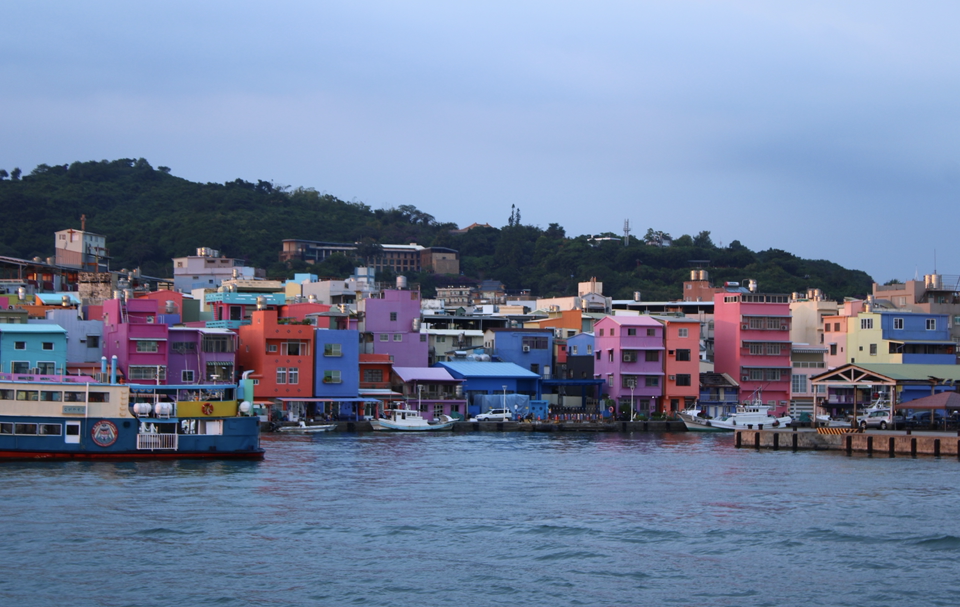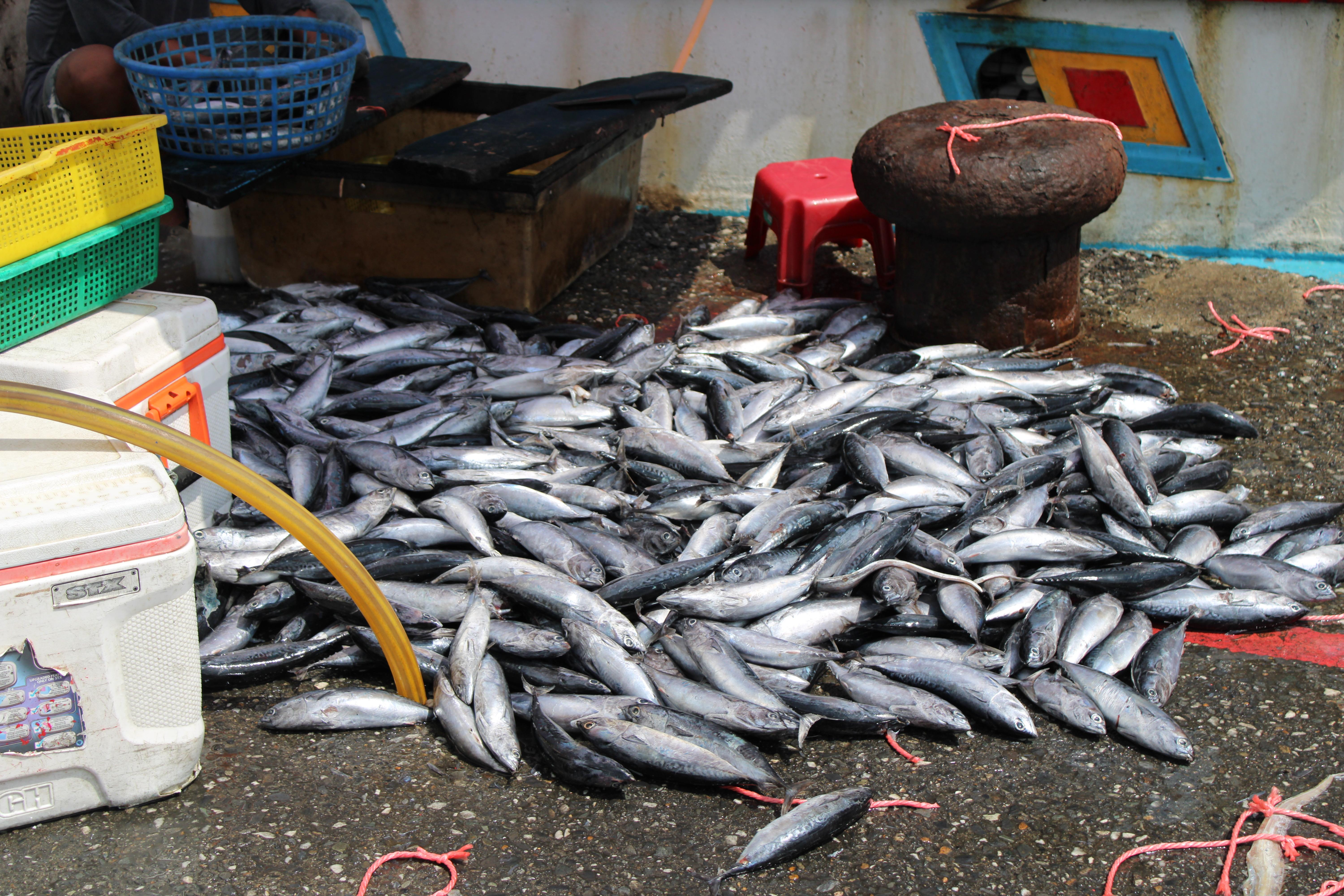
Fishing is a major industry here. Taiwan has one of the world’s largest distant-water fleets, and Taiwanese companies operate more than a third of the world’s longline tuna vessels. Fish farming originally started with milkfish 虱目魚 (shīmùyú) raised in saltwater ponds, and today, about 90% of Taiwan’s tuna catch is exported.
Lastly, Taiwan is known for its unique culture and friendliness to foreigners. Collectivist values come from Confucian principles of family and community, and a common saying here is 台灣最美的風景是人 (táiwān zuì měi de fēngjǐng shì rén): “the most beautiful scenery in Taiwan is its people.” Some common family and social rules include filial piety 孝 (xiào), meaning respect and care for elders; ancestor worship 祭祖 (jìzǔ); and the dissemination of red envelopes 紅包 (hóngbāo) during the Lunar New Year 春節 (chūnjié).
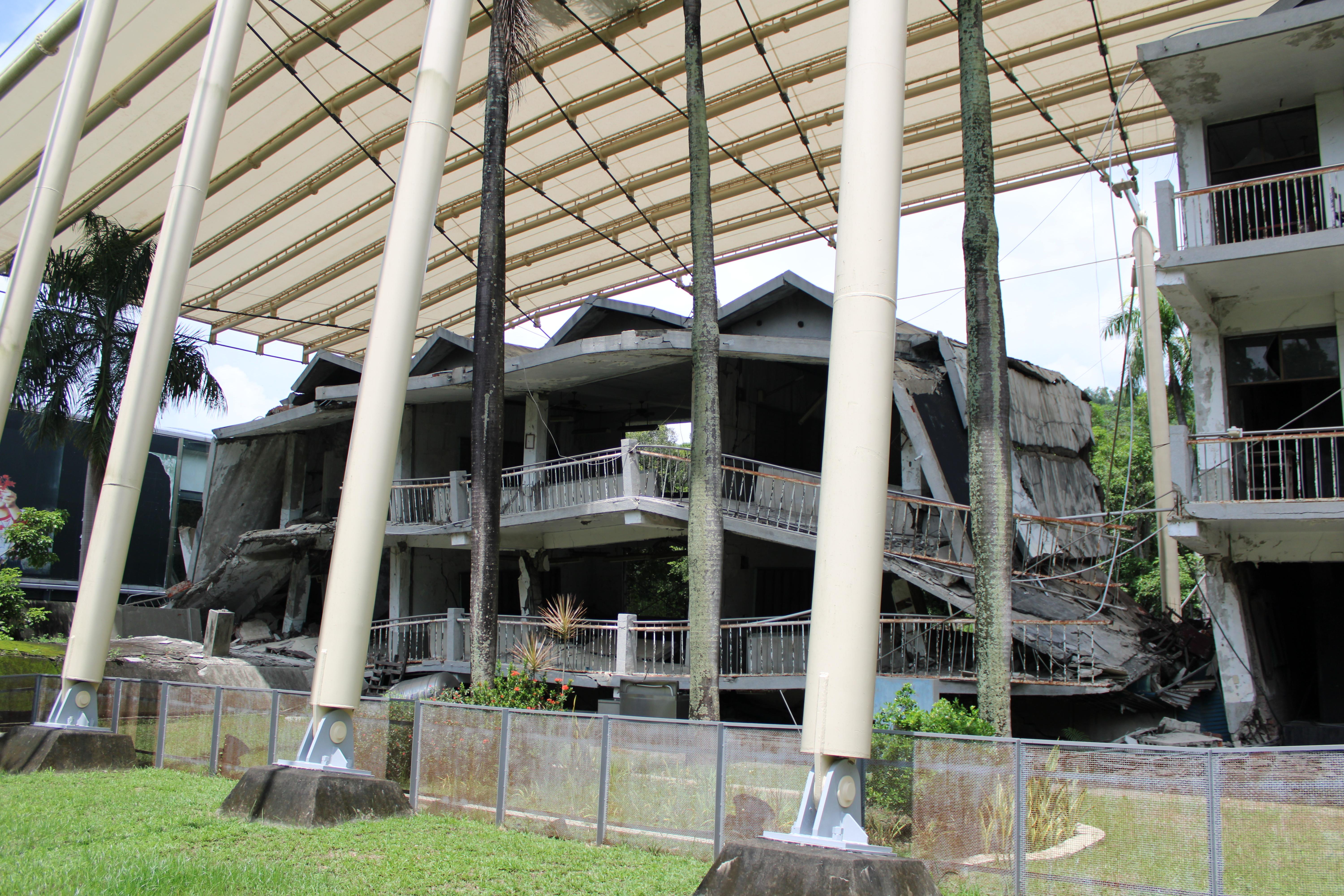
As mentioned, Taiwan’s unique geography plays a direct role in many environmental challenges faced by its people, especially earthquakes. The 7.7-magnitude 1999 earthquake, referred to as 921 大地震 (jiǔ’èryī dàdìzhèn), damaged more than 100,000 buildings, including nearly 300 schools. More recently, the April 2024 Hualien 花蓮 (Huālián) earthquake, a magnitude 7.4 catastrophe, caused tremendous damage in remote areas due to falling rocks and landslides. Natural hazards are not limited to earthquakes: in the summer, humidity, typhoon-driven winds and flooding bring recurring seasonal challenges.
Pressure also originates from the classroom. As an English teacher, I have seen firsthand how academic and exam pressures affect students.