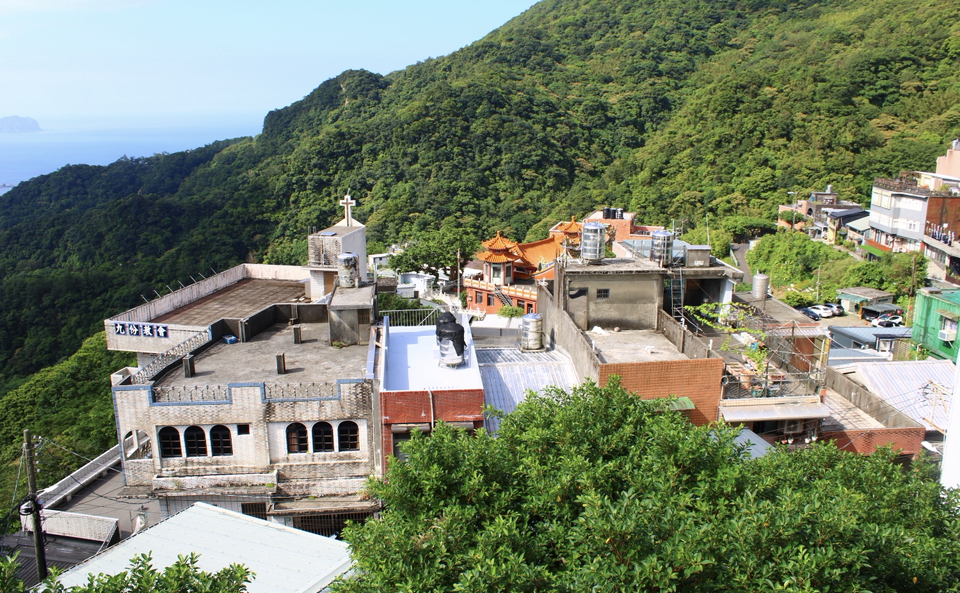
Taiwan is the product of the Philippine Sea Plate colliding with the Eurasian Plate, and this collision built the Central Mountain Range 中央山脈 (zhōngyāng shānmài). The range divides the island in two: the western plains hold most of the people, factories and rail lines, while the east coast is far less densely populated.
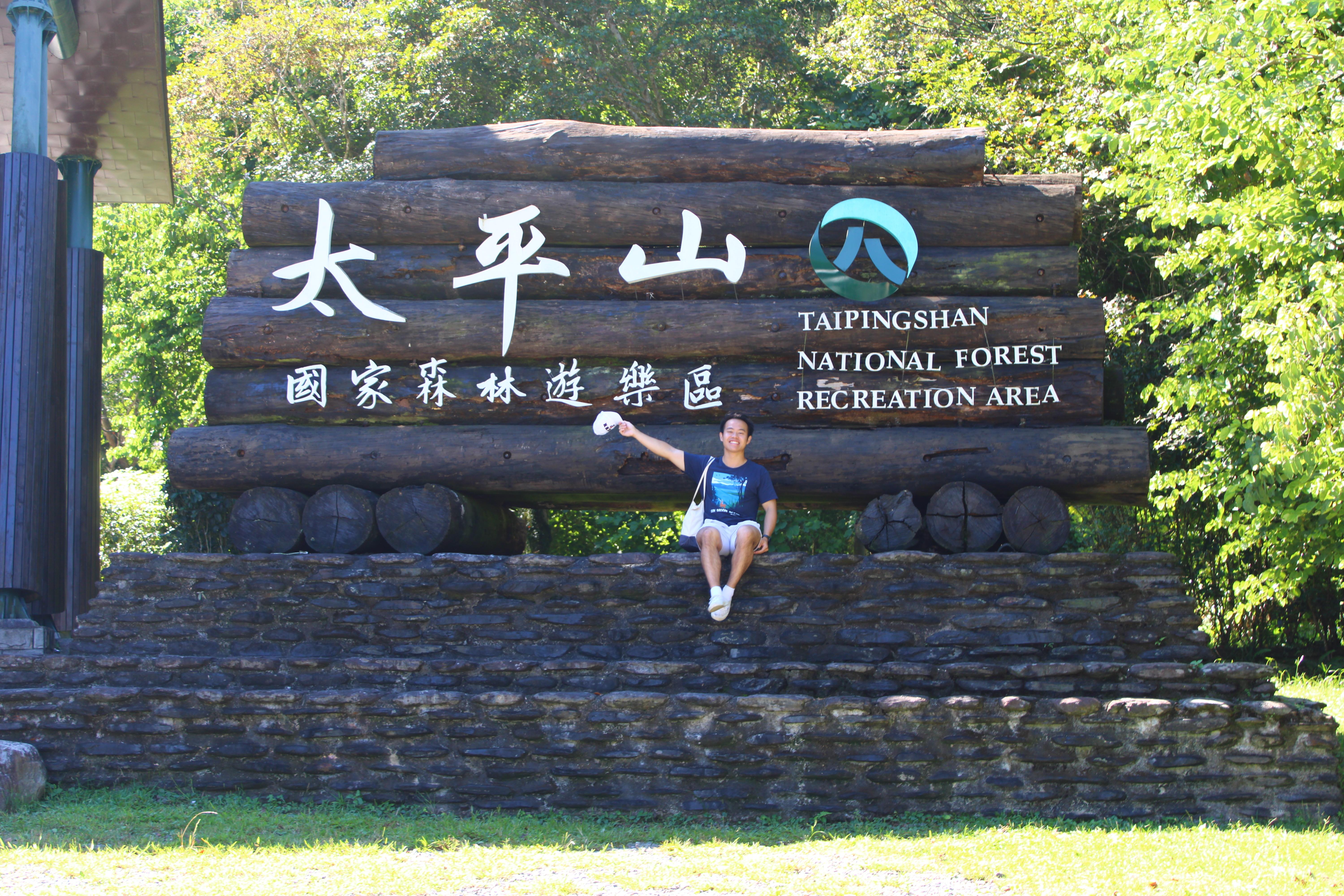
This geographical trait is also why Taiwan is home to many different environments in such proximity. Elevation changes quickly across the island: for example, Mt. Jade 玉山 (yùshān), at roughly 4,000 meters, stands only a short distance from the coast. At higher elevations, the climate shifts from subtropical lowlands to cool highlands, allowing completely different crops and ecosystems to sit close together. Short, fast rivers carry sediment down from the mountains and sustain the fertile western plains, which are home to farmland, towns and industrial zones. As a result, a dense city like Taipei 臺北 (táiběi) can be a short train ride from rice paddies, hot springs and mountain trails.
Taiwan’s climate presents unique agricultural advantages. The long, warm growing season supports year-round farming, and the altitude adds variety: lowlands grow tropical fruits like mango 芒果 (mángguǒ), guava 芭樂 (bālè), wax apple 蓮霧 (liánwù) and dragon fruit 火龍果 (huǒlóngguǒ), while the mountains grow high-mountain tea 高山茶 (gāoshān chá). The warm weather also shapes daily life: night markets 夜市 (yèshì) and open-air breakfast shops work year-round, while the unique geology gives rise to the island’s famous hot springs 溫泉 (wēnquán).