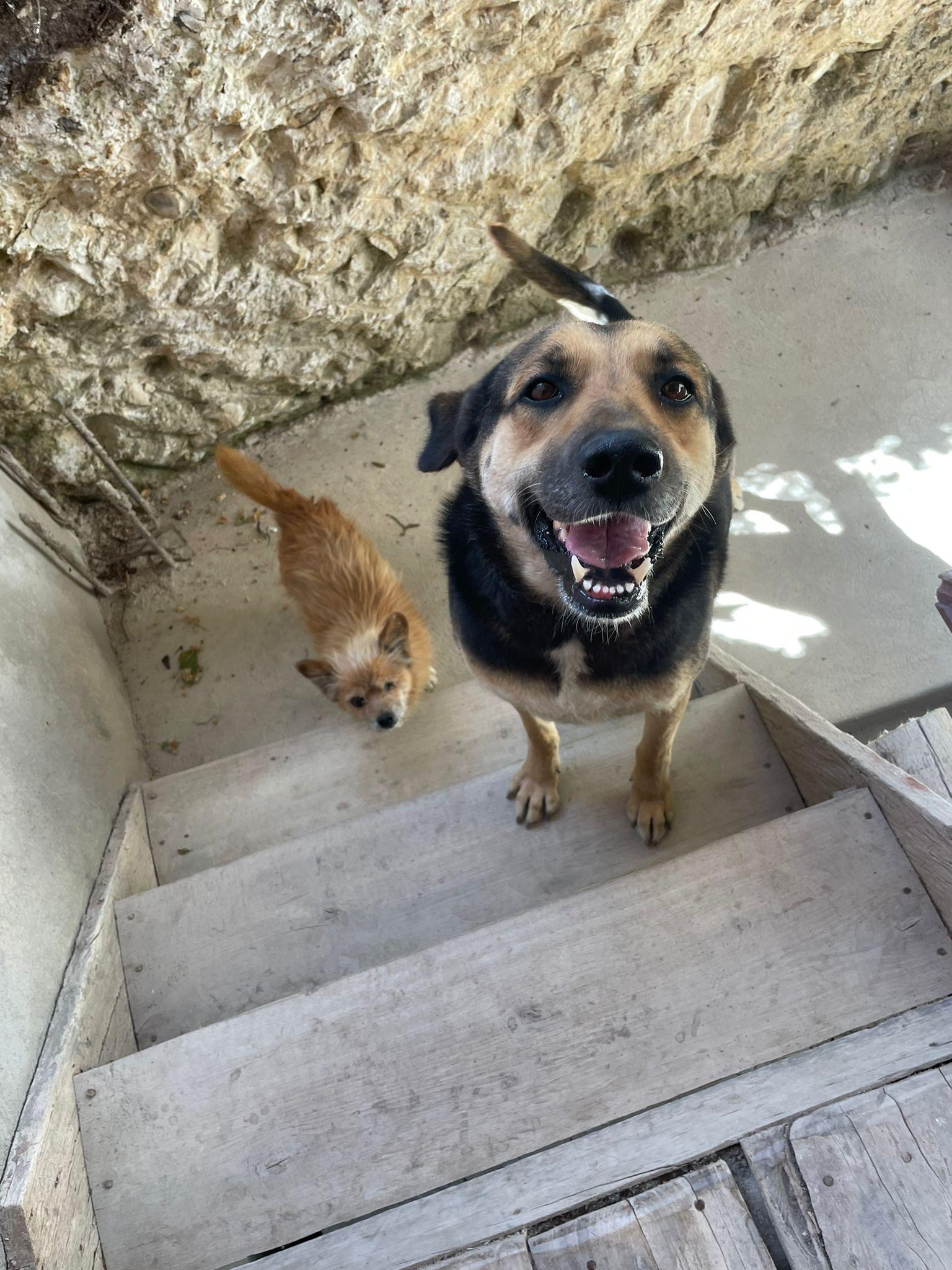
When I moved to Peru, I noticed many dogs roaming freely around the streets and sidewalks. While some dogs have homes, many of them do not. Even most of the dogs that have homes spend the entire day outside without a leash or a fence! For me, this was surprising and a little scary at first because I wasn’t used to seeing that. Here, people often care about their dogs, but they do not always keep them inside like pets in the United States. Instead, they prefer to have the pets outside to help protect their homes.
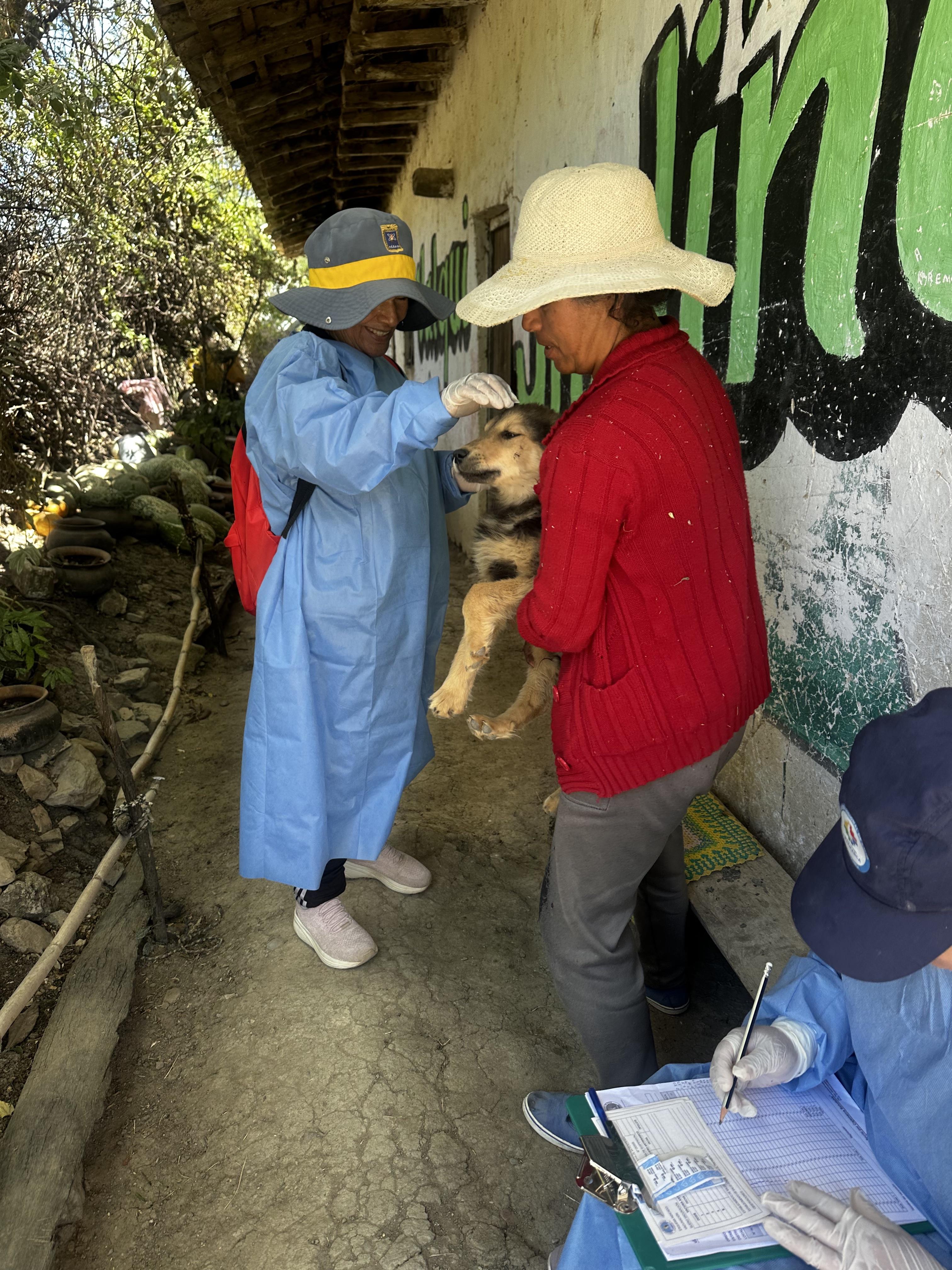
Because there are so many free-roaming dogs, bites are common. This increases the risk of spreading diseases that animals may carry, such as rabies. As a result, communities need protection through regular vaccination campaigns and trained professionals who are able to travel long distances to reach these animals.
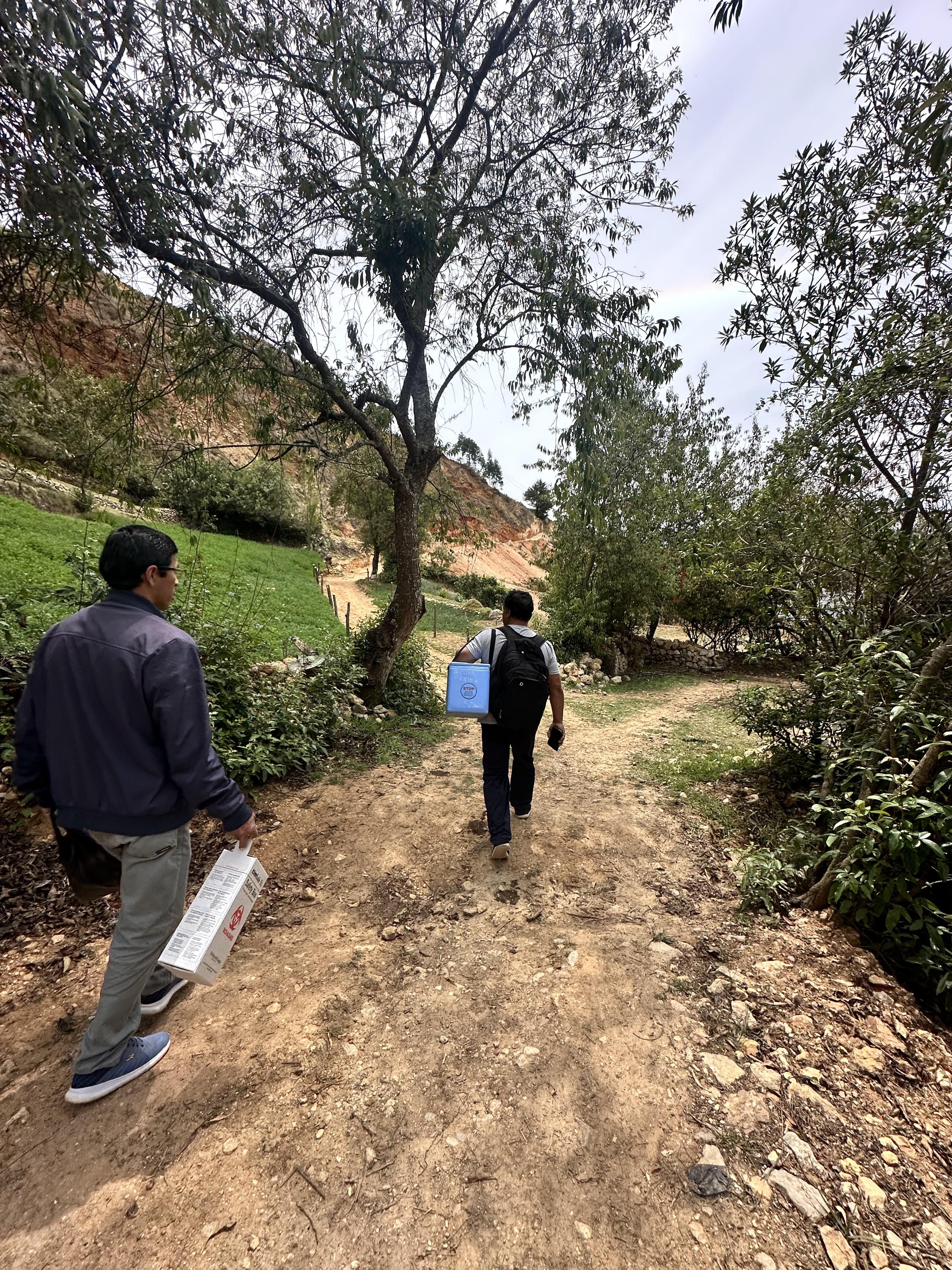
Many rural communities in Peru do not have easy access to veterinary services. There are very few veterinarian offices nearby, and most families do not own a car. Traveling long distances with a dog, whether by foot or riding on a motorcycle, is quite difficult and sometimes unsafe. Because of these challenges, many dogs do not receive regular veterinary care unless services are brought directly to the community and people's homes.