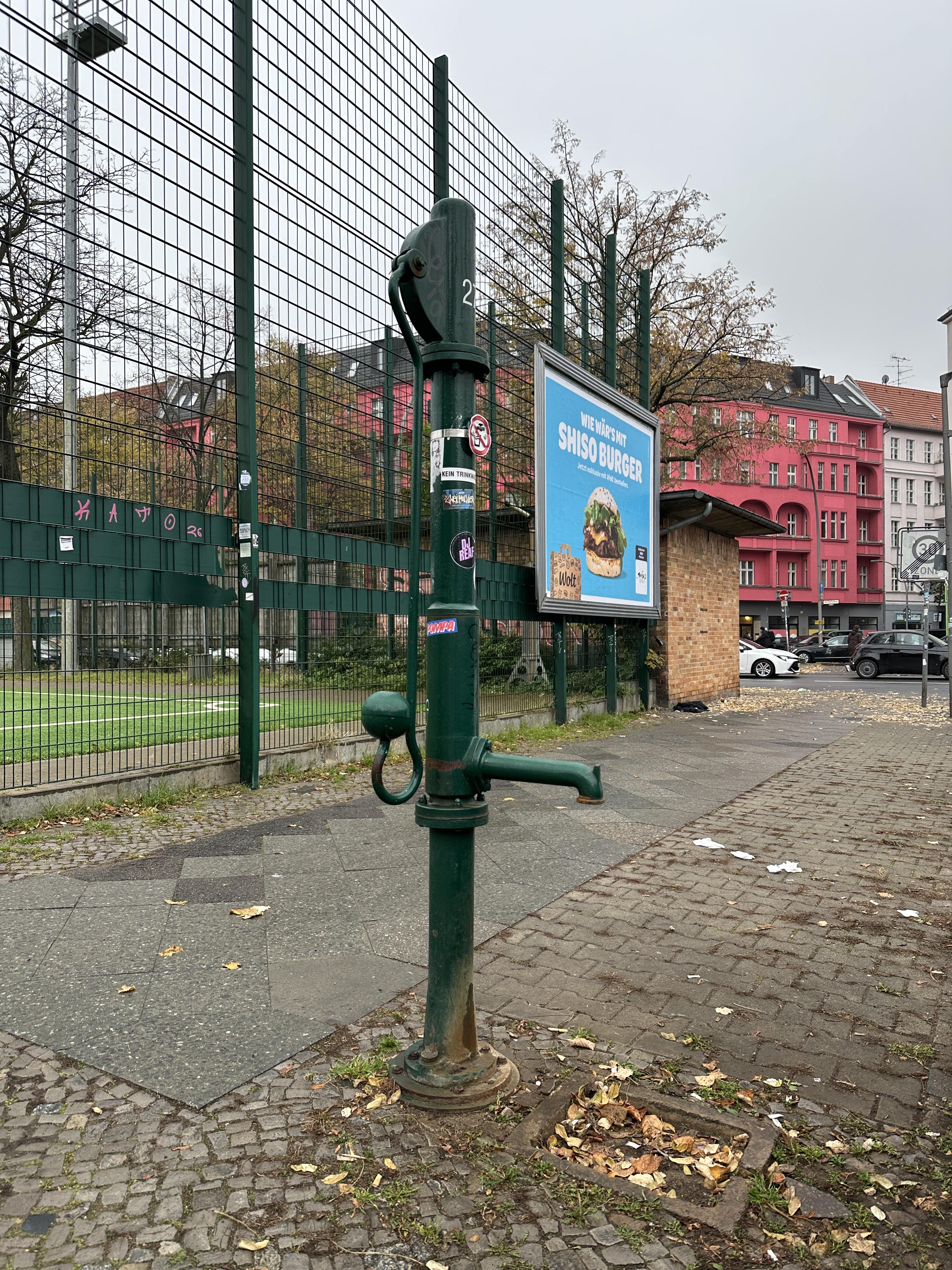
Some of the filtered water eventually seeps back into the groundwater which eventually cycles back into the city! It was an early example of combining engineering with natural processes to solve a city's problems!
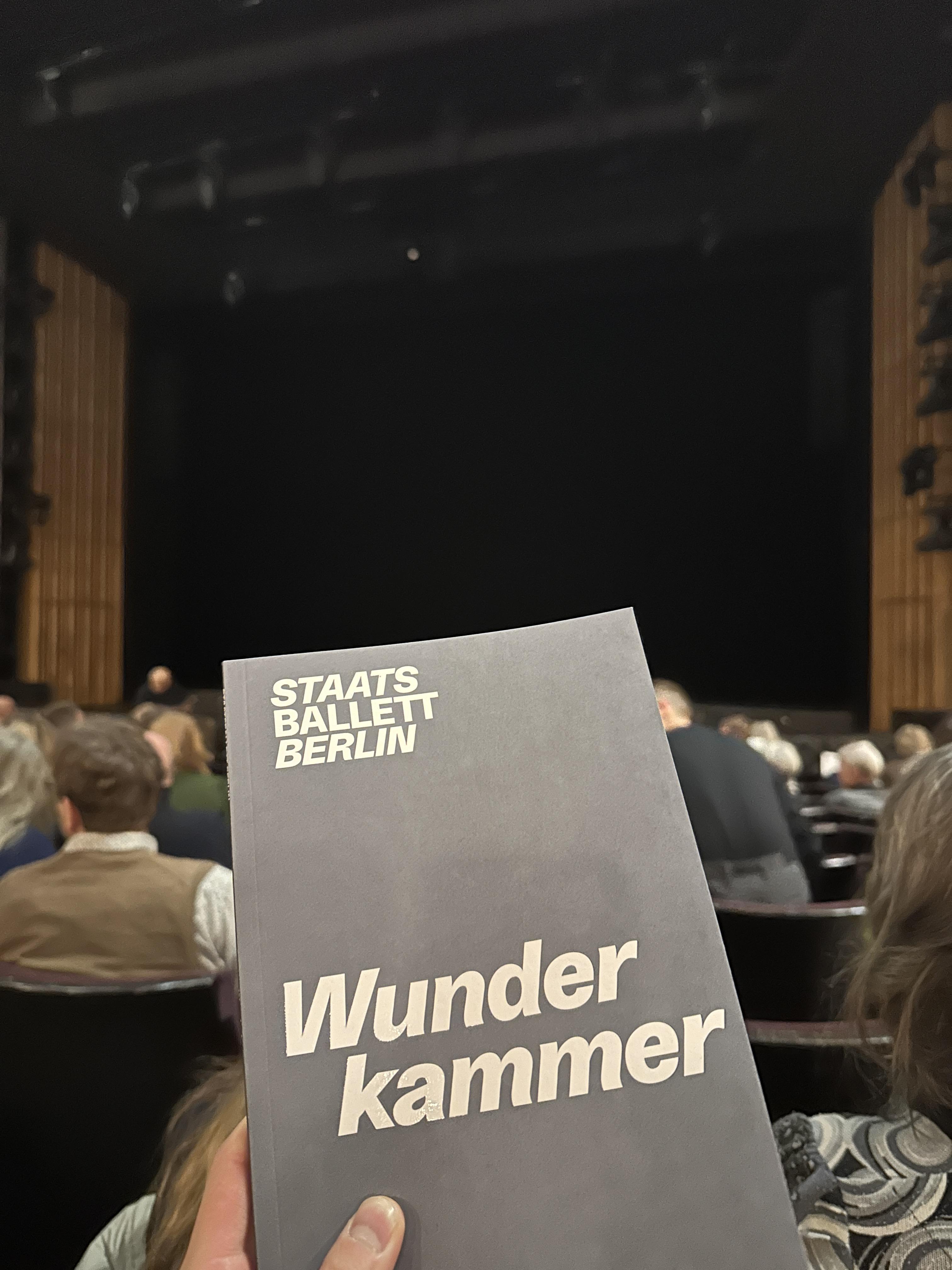
Eventually, modern wastewater treatment plants replaced these sewage farms, and the old pumping stations became obsolete. But their stories don't end there! In typical Berlin fashion, some of these buildings found a second life! My favorite is Radialsystem V, which is now a cultural arts center. The famous dance company Sasha Waltz & Guests performs and works there. Sasha Waltz is an internationally renowned choreographer, who's choreography I've gotten to learn while in school. It's incredible that a building that once handled Berlin's sewage is now home to contemporary dance!
Berlin is a city of creative adaptations! Its surrounding region has relatively sandy, nutrient-poor soil, which historically made agriculture more challenging. Berlin's access to trade routes, and later its expansive railroad network, transformed the city into an influential cosmopolitan.
Its high groundwater levels also inspired innovative engineering solutions. From the historical sewage farms that used soil to filter wastewater, to the colorful pipes that redirect groundwater around construction sites, Berlin has found ways to work with its natural environment. Perhaps most interestingly, some of these practical solutions have become a part of the city's cultural identity!
Today we got a little peak into how Berlin's quirky character and practical city planning collide.