The Camino tradition began more than 1,000 years ago, when people traveled to Santiago to visit the cathedral believed to contain the remains of Saint James, one of Jesus's apostles. During the Middle Ages, Santiago became one of Europe's most important pilgrimage destinations.
But here's something interesting: the Camino isn't just one trail! Hundreds of routes cross Europe, beginning in places as distant as France, Germany, Italy, and Portugal. Look at the map. Do the different routes remind you of the lines on a seashell?
During my expedition, I followed four connected Caminos:
Camino del Estrecho: Approximately 100 miles from Algeciras, near Gibraltar, to Cádiz on Spain's Atlantic coast.
Vía Augusta: Approximately 120 miles from Cádiz to Seville.
Vía de la Plata: Approximately 370 miles north from Seville to the Zamora region, following a corridor used since Roman times.
Camino Sanabrés: Approximately 230 miles northwest toward Santiago de Compostela.
Together, these routes form a journey of more than 800 miles across Spain! Can you imagine walking that distance? How many days do you think it would take?
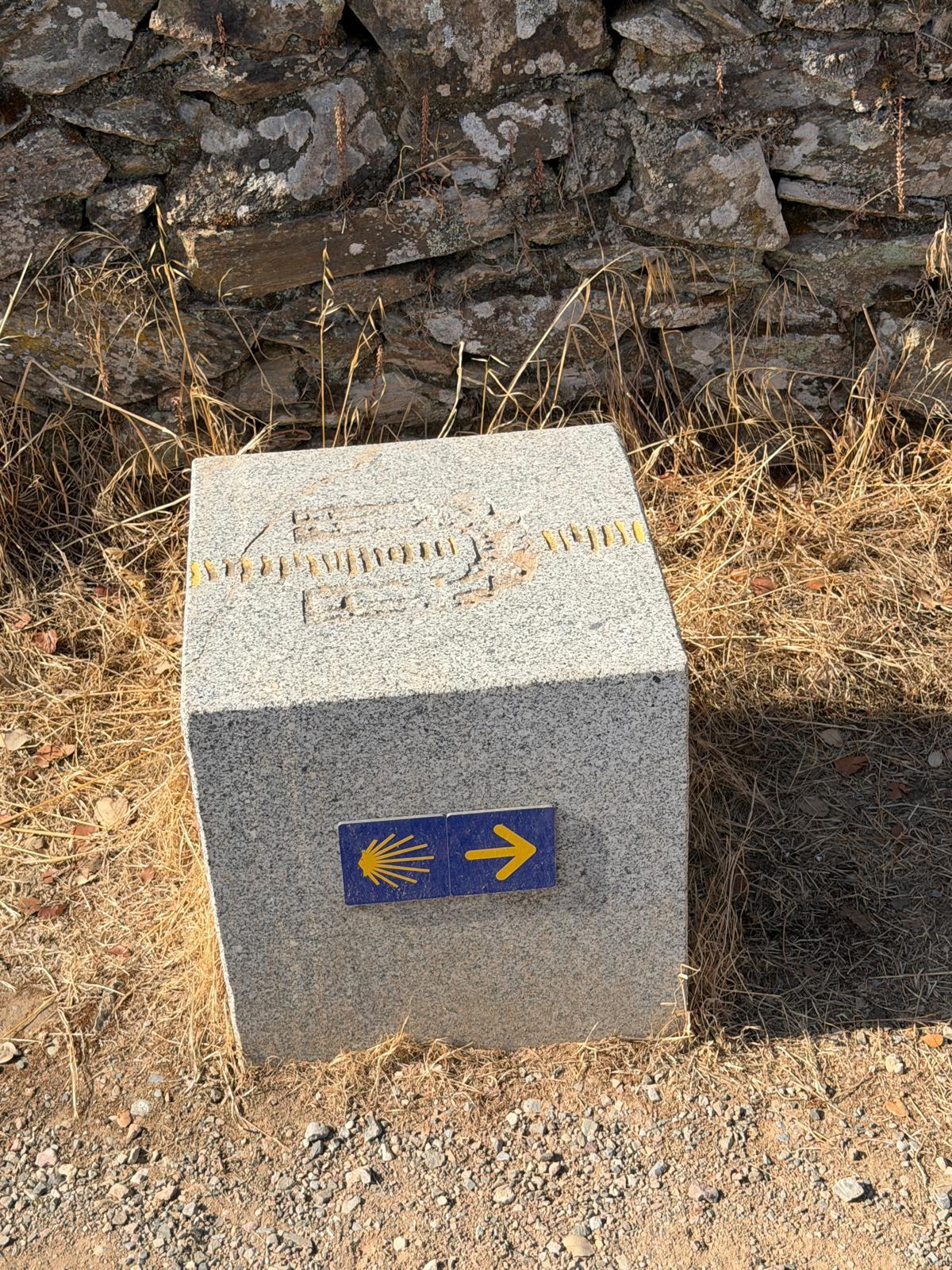
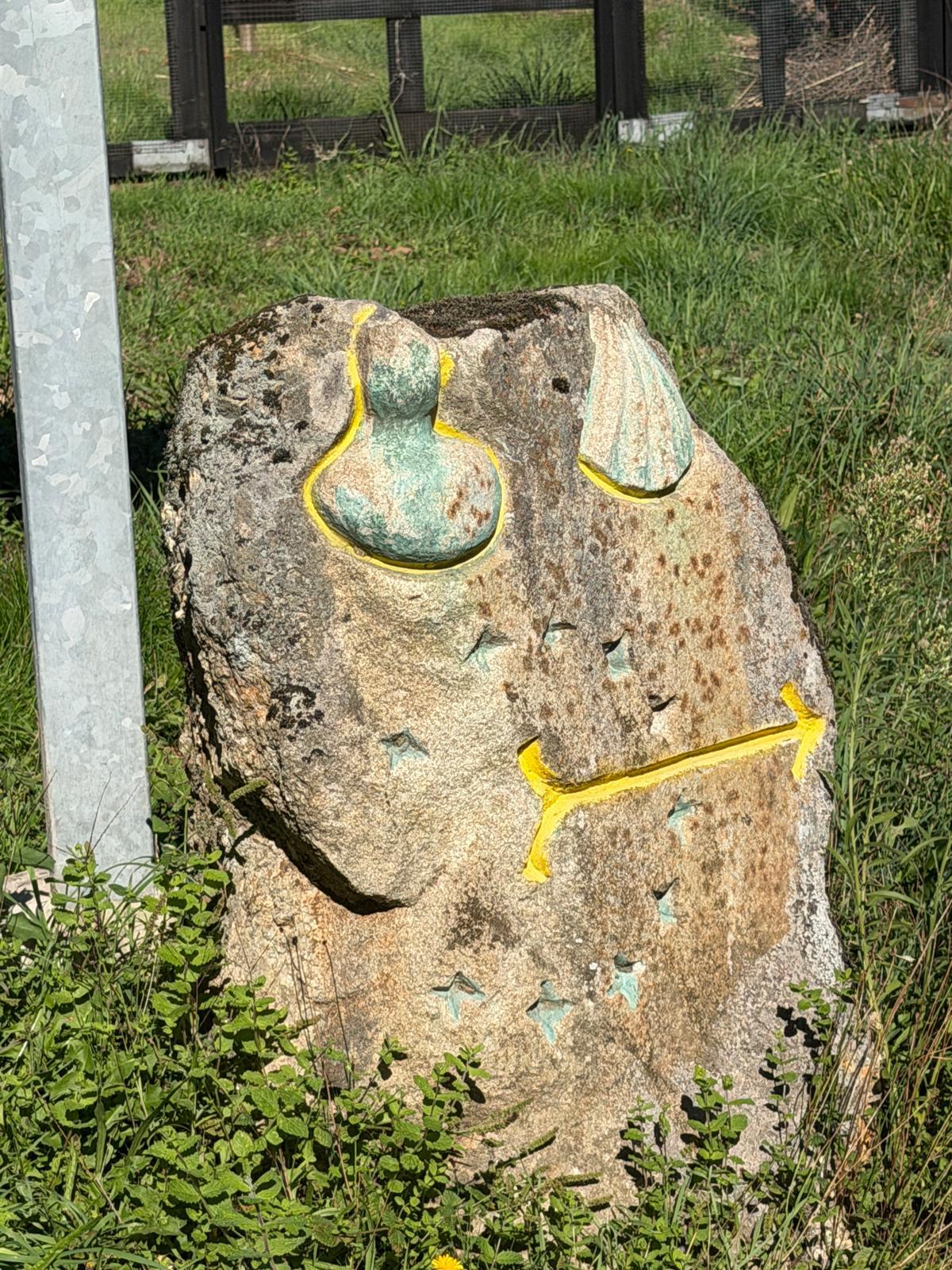
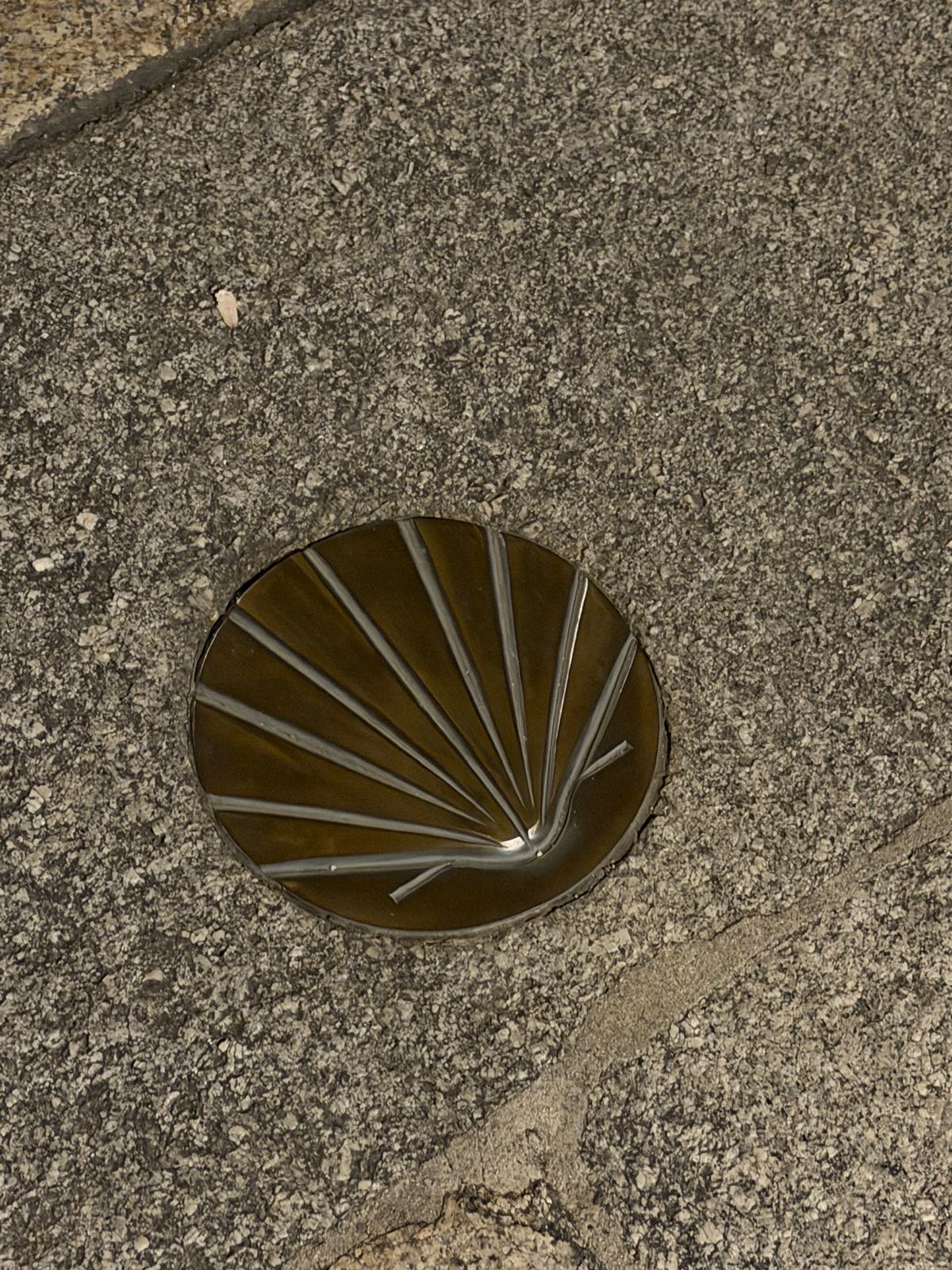
One of the Camino's most recognizable traditions is the scallop shell. You'll find shells carved into buildings, embedded in sidewalks, and attached to travelers' backpacks. Yellow arrows help guide people along the way.
Travelers also carry a special passport called a credencial. At churches, hostels, cafés, and tourist offices, they collect stamps documenting their journey.