This means that even though there is a lot of water flowing, a big portion of it is not suitable for human consumption or agricultural use. This process is called Acid Rock Drainage and is a big part of my current work.
Another challenge that has been present since the days of Spanish colonialism is the prevalence of mining, which has destroyed landscapes and poisoned the water in many communities. Mining is still very lucrative for local workers and foreign companies, who extract copper, zinc. silver, and gold.
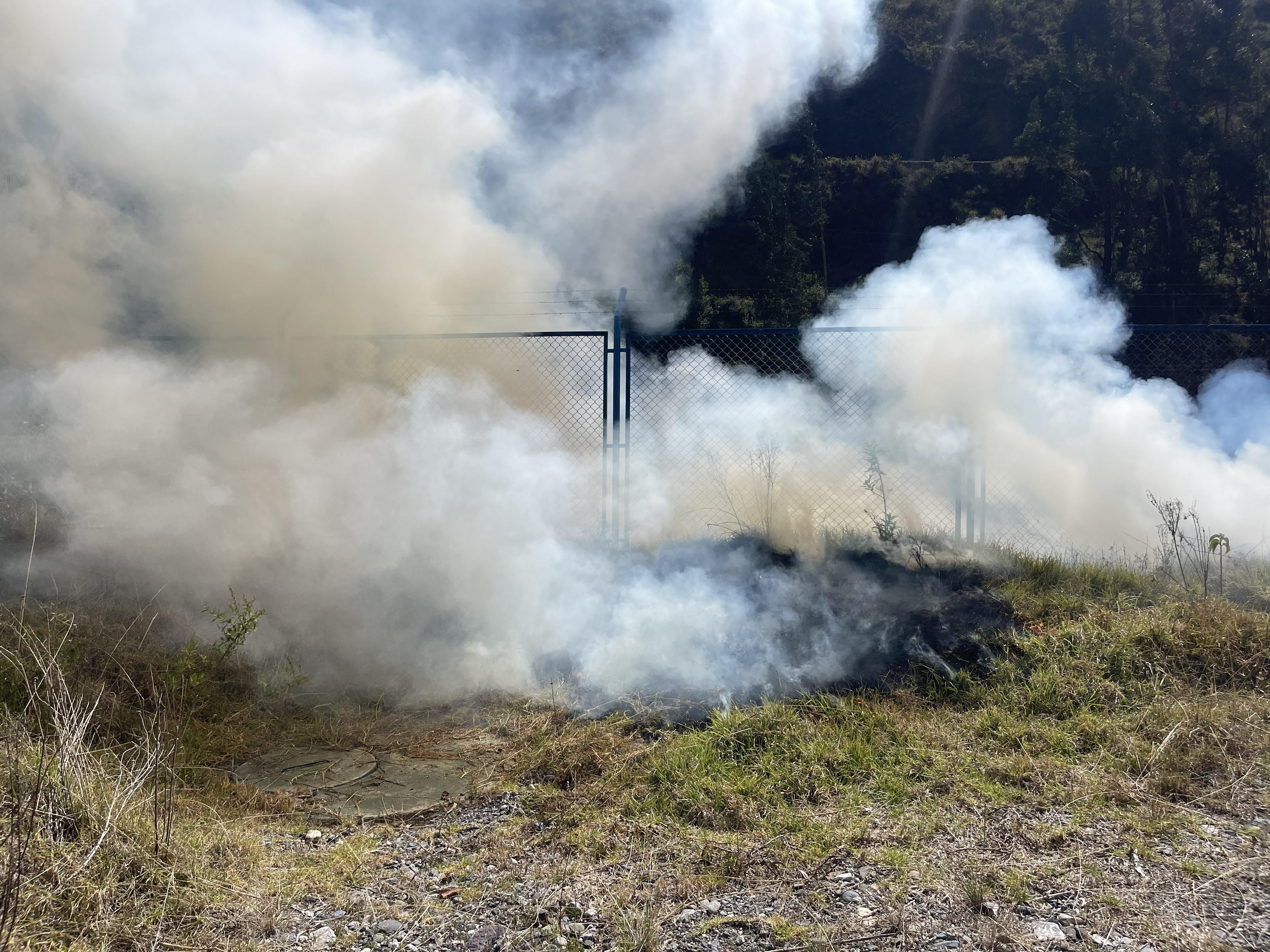
Lastly, wildfires are starting to become an issue in the highlands, where before they were extremely rare. Drier conditions and a lasting cultural pracitce of burning fields to pray for rain and to prepare for planting have been causing more intense fires in the last few years. This is another phenomenon that threatens communities and their farms, as well as the natural landscape and wildlife.
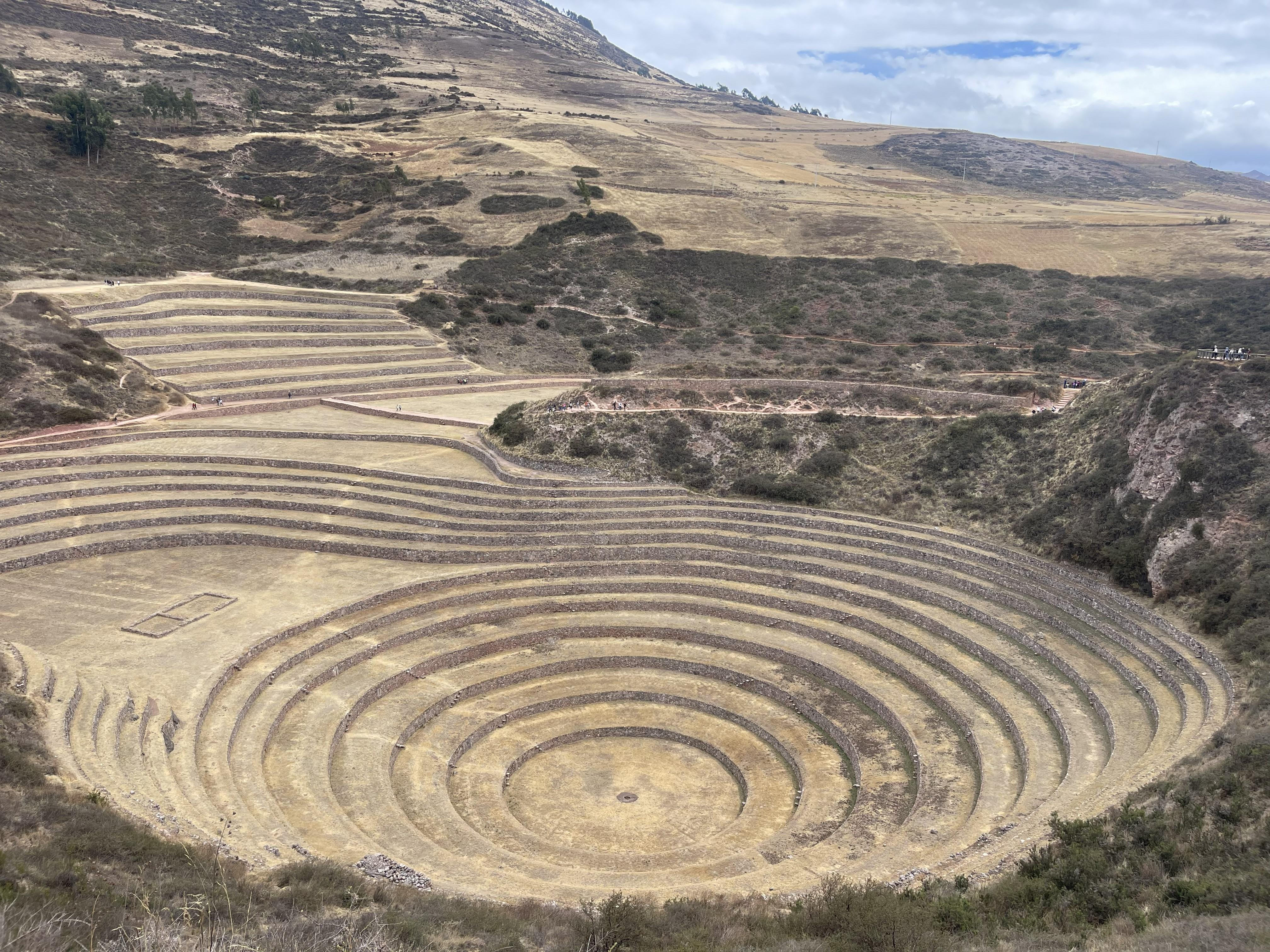
People have been adapting to life in the Andes for thousands of years. Cultivation of potatos and other tubers is probably the best example of this, as local knowledge of potato varieties is deep and goes back many generations. During the Inca Empire, the kamayoq (Quechua for expert, in this case in agriculture) would conduct studies on crop varieties using deep terraced pits, and devise ways to predict the weather to choose the right time to plant. Andean people are so adapted to the area and its food that many are genetically better able to digest potato starch.
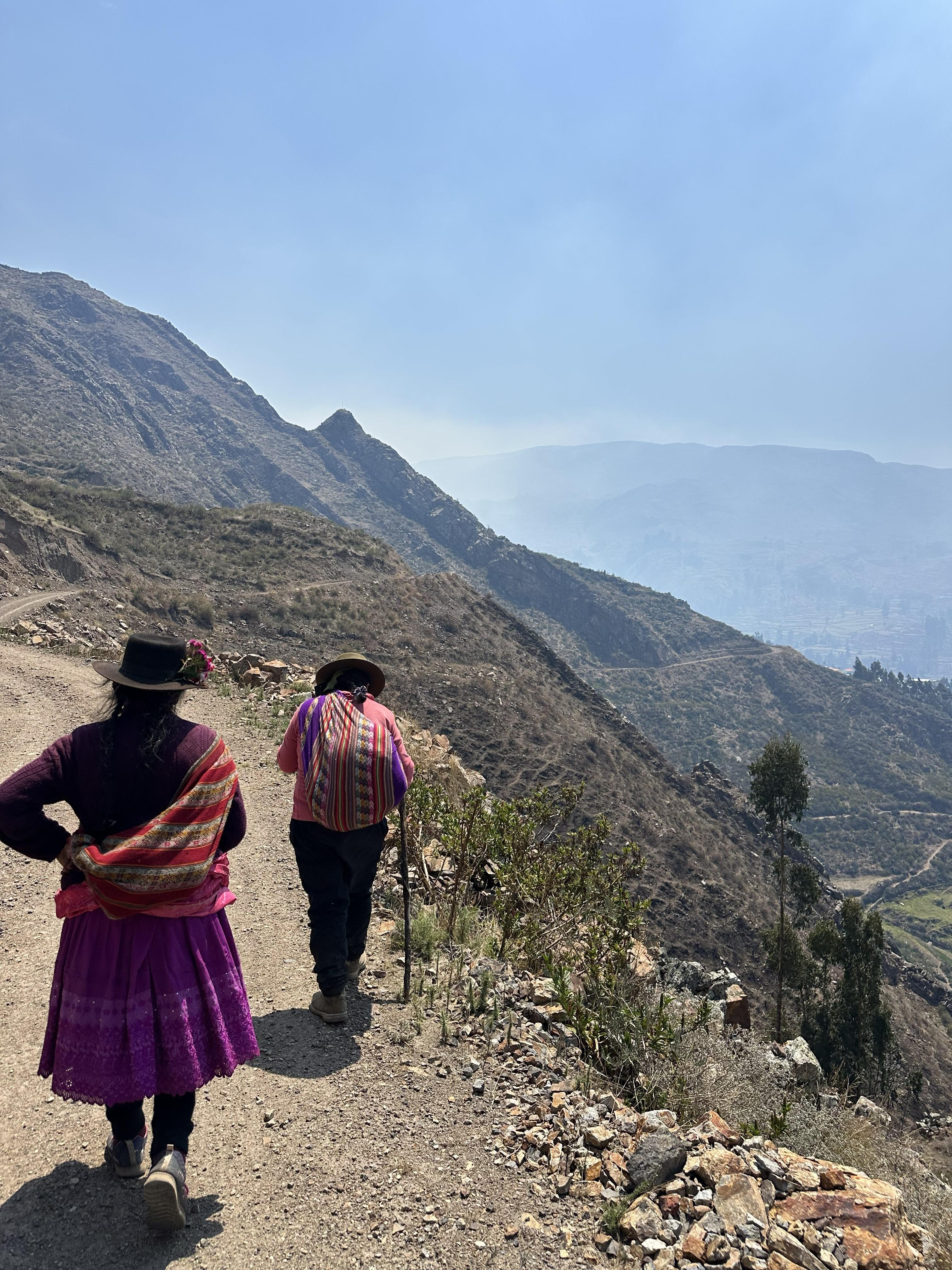
Another way people who live in these mountains have adapted is by valuing fitness and health.