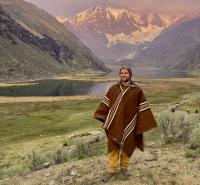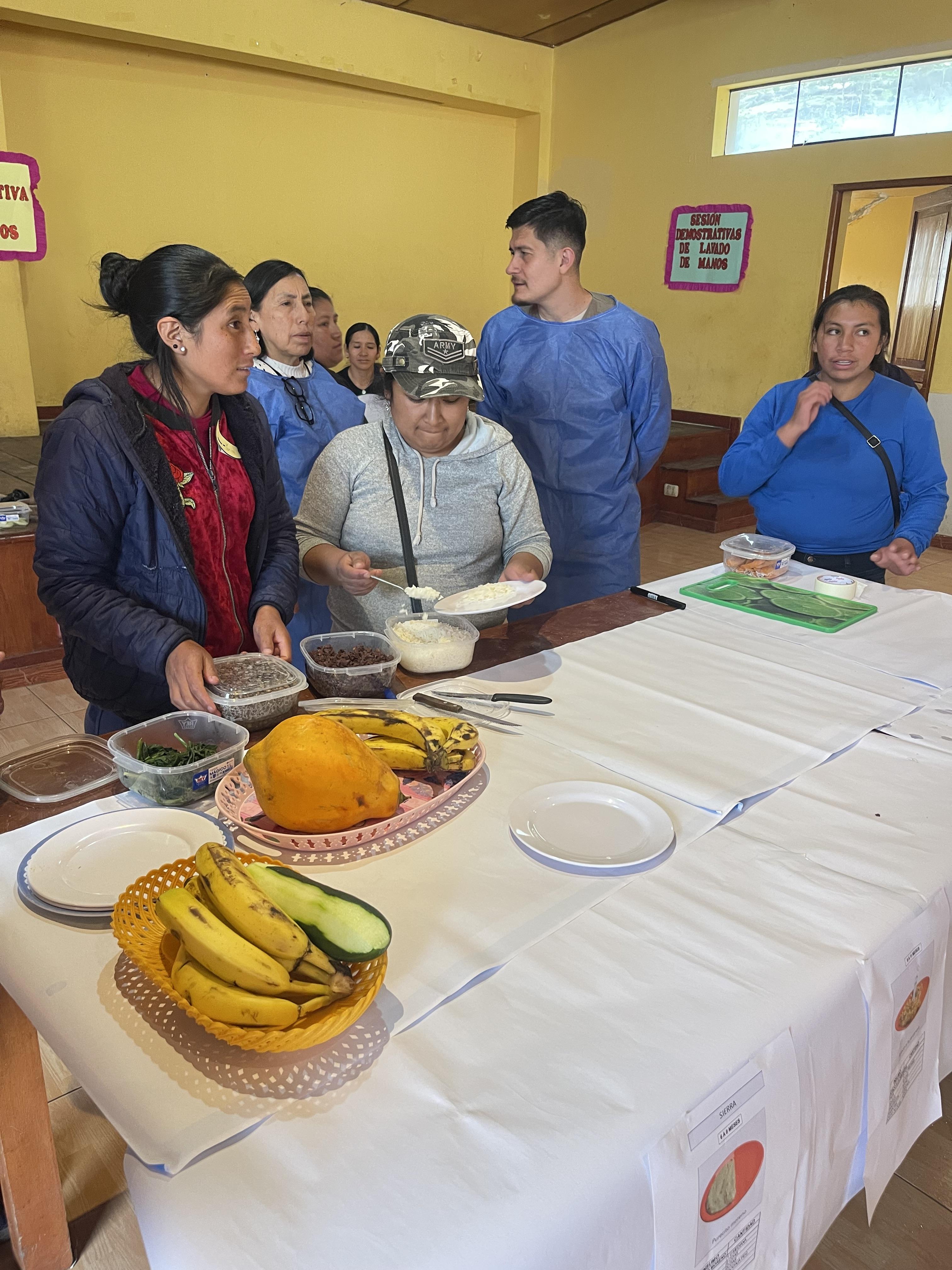
Last year I was serving as a WASH volunteer in the town of Chiquian, about three hours south of Huaraz. WASH stands for Water Access, Sanitation, and Hygiene. The goal of the WASH project is to promote safe drinking water and good hygiene practices, especially around water, bathrooms, children, and food preparation. A big part of the work was operating and maintaining rural water systems in the three outlying villages. Here I'll talk about my experience with a village called Carcas.
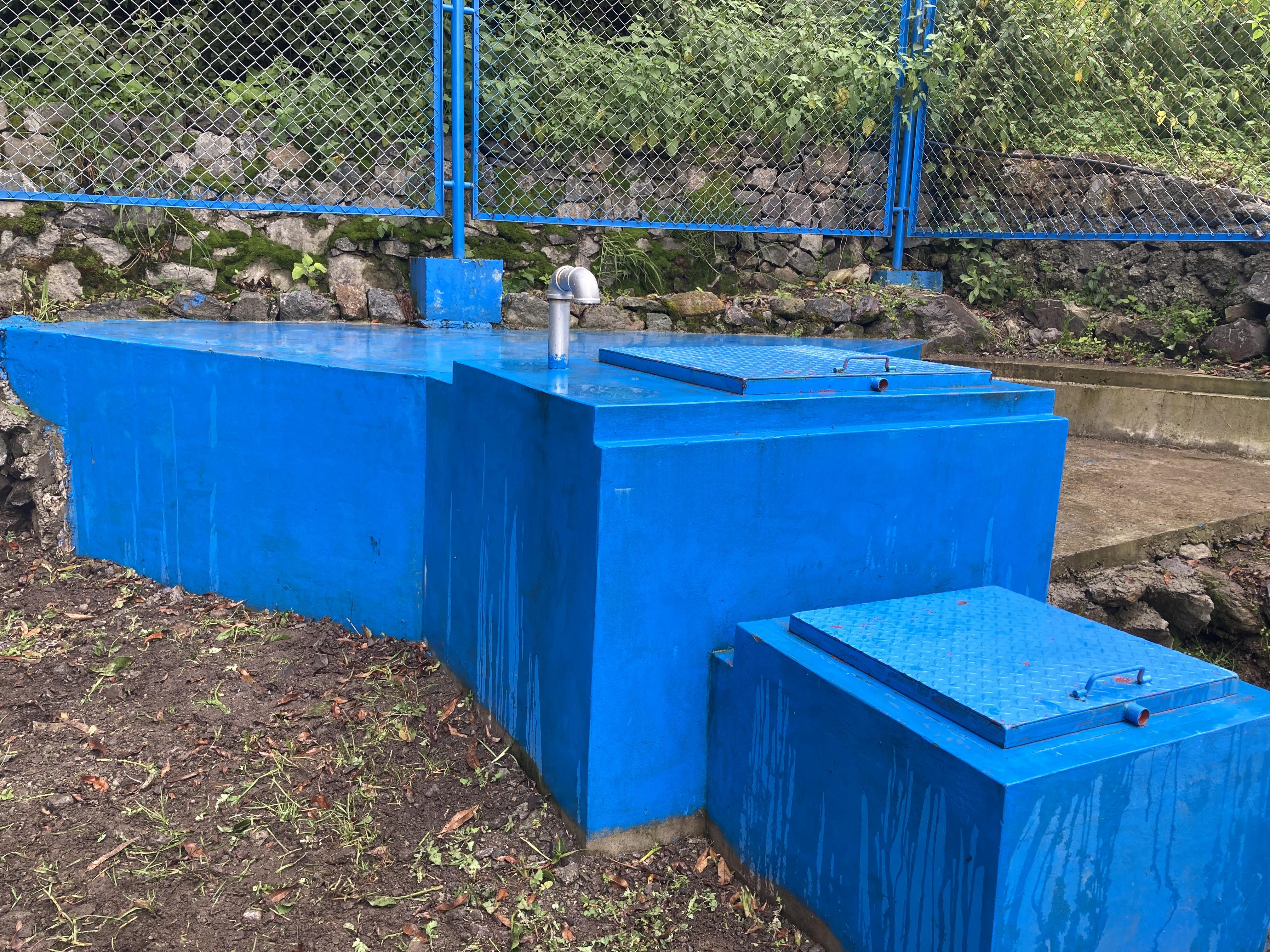
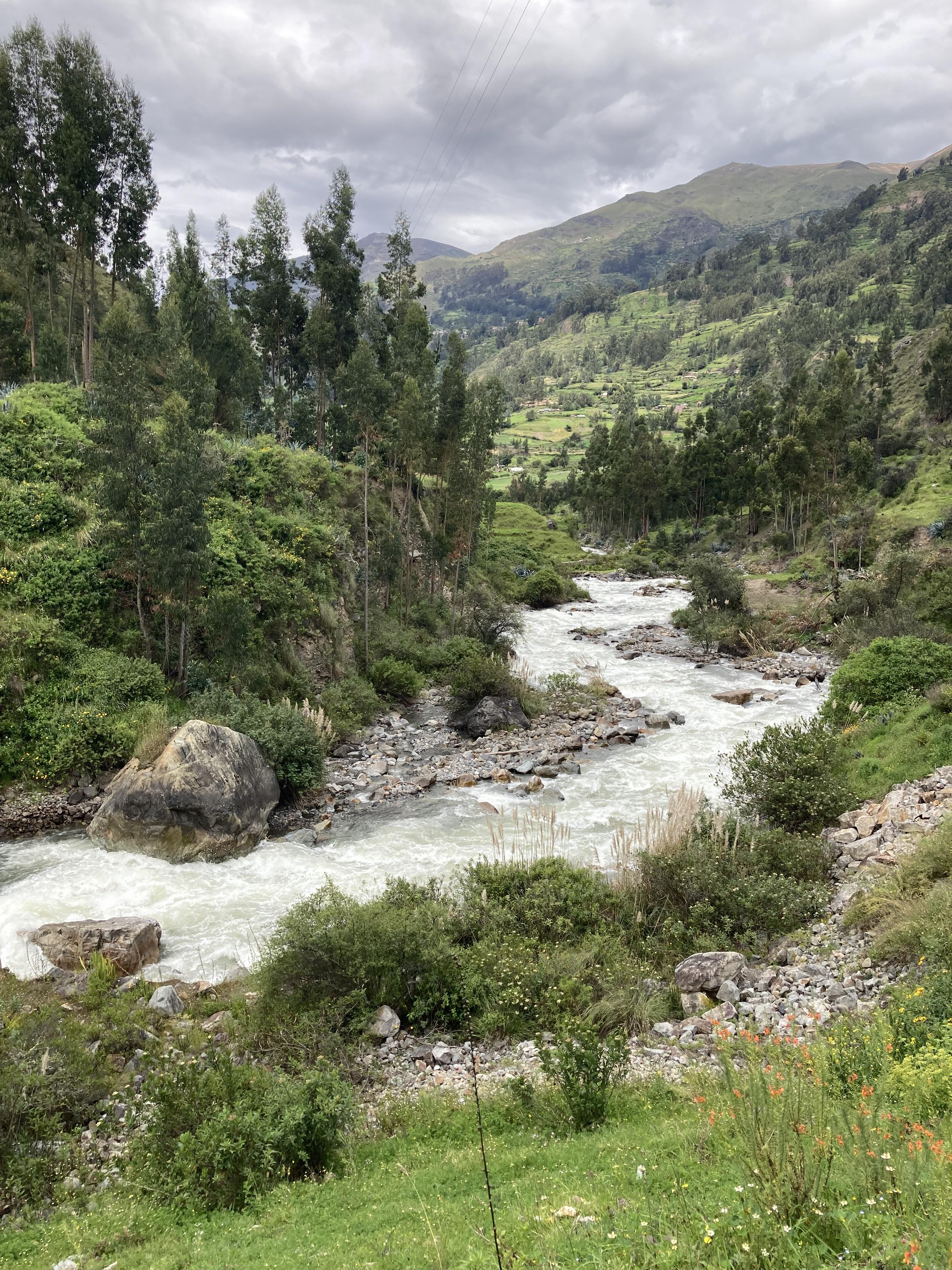
Carcas, like many villages in southern Ancash, has abundant freshwater that flows directly from the hillsides. Because the water doesn't flow above ground, and because there's no mining in the area, the water is exceptionally clean. However, the water does still need to be filtered and chlorinated before it can be used for cooking and drinking. The community also needs appropriate infrastructure to do this and to distribute the water. It is very important that the water is chlorinated, because unchlorinated water can infect people with parasites. Parasites lead to a loss of nutrients through diahrrea, and a lack of iron specifically can cause anemia. Unfortunately, while most people can simply recover from anemia, if babies or toddlers have it, they can experience lifelong developmental issues.