That's why we insist on good hygienic practices for mothers of young children, and that communities be diligent about chlorinating their water!
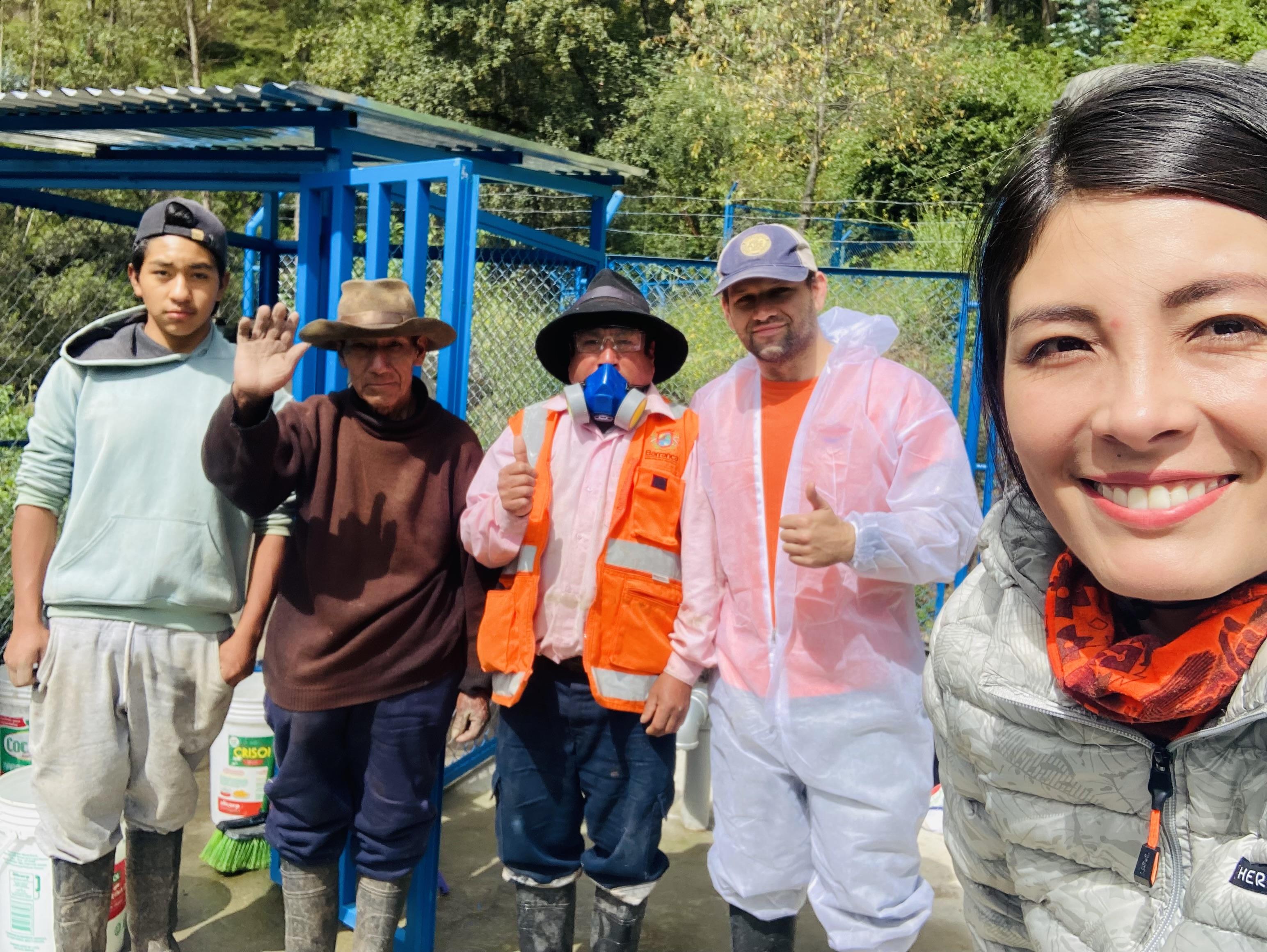
The community of Carcas is responsible for chlorinating their own water and maintaining their water infrastructure because they are a very small village of only about 250 people. The Peruvian government provides assistance by building the water system with the support of a Local Water Manager, who was my boss in Chiquian. This leaves a lot of work to the community: they are responsible for buying their chlorine and doing maintenance on the water system. Bigger towns and cities have public or private water companies who provide safe drinking water, but small villages like Carcas have to organize this service themselves.
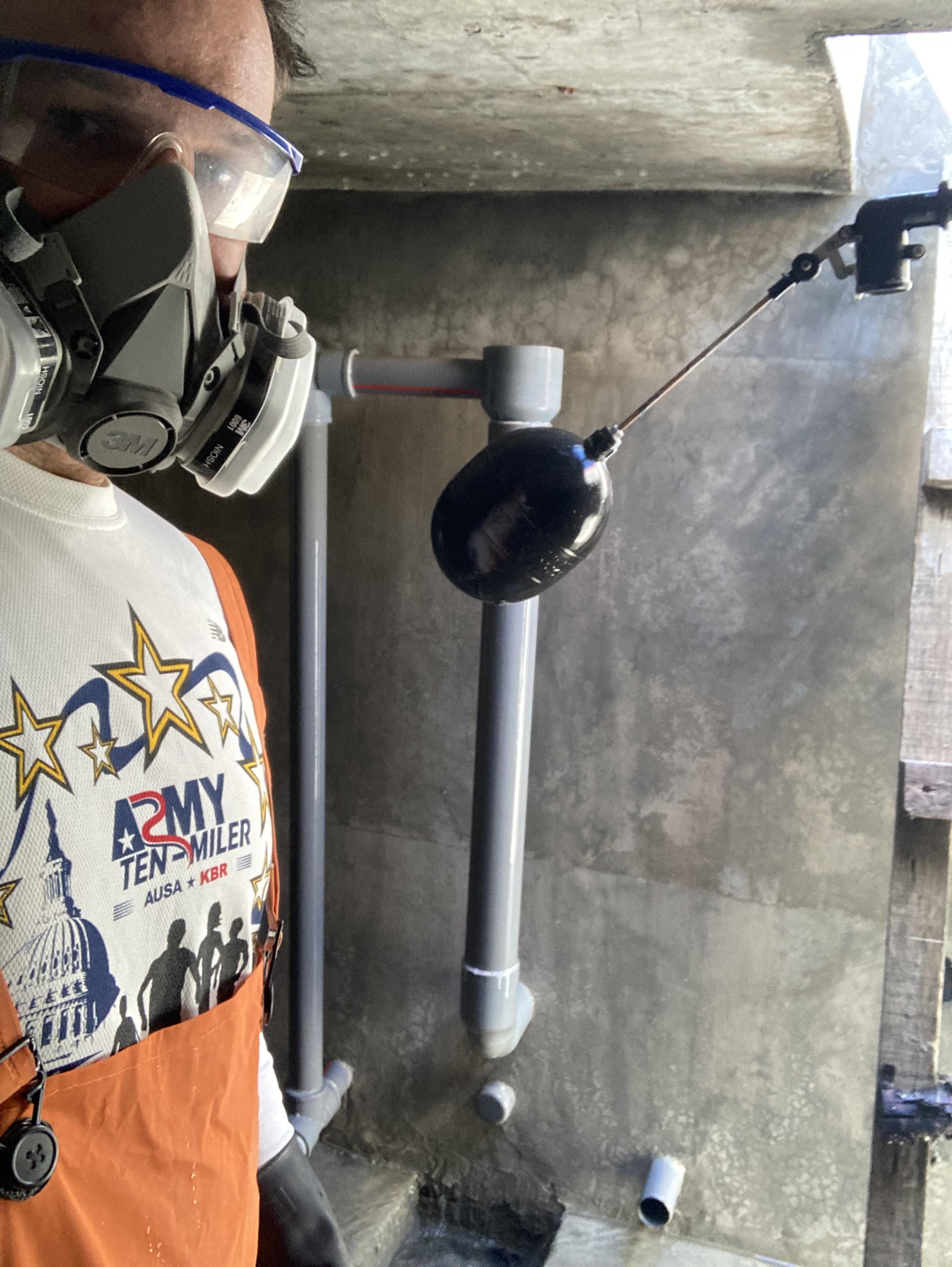
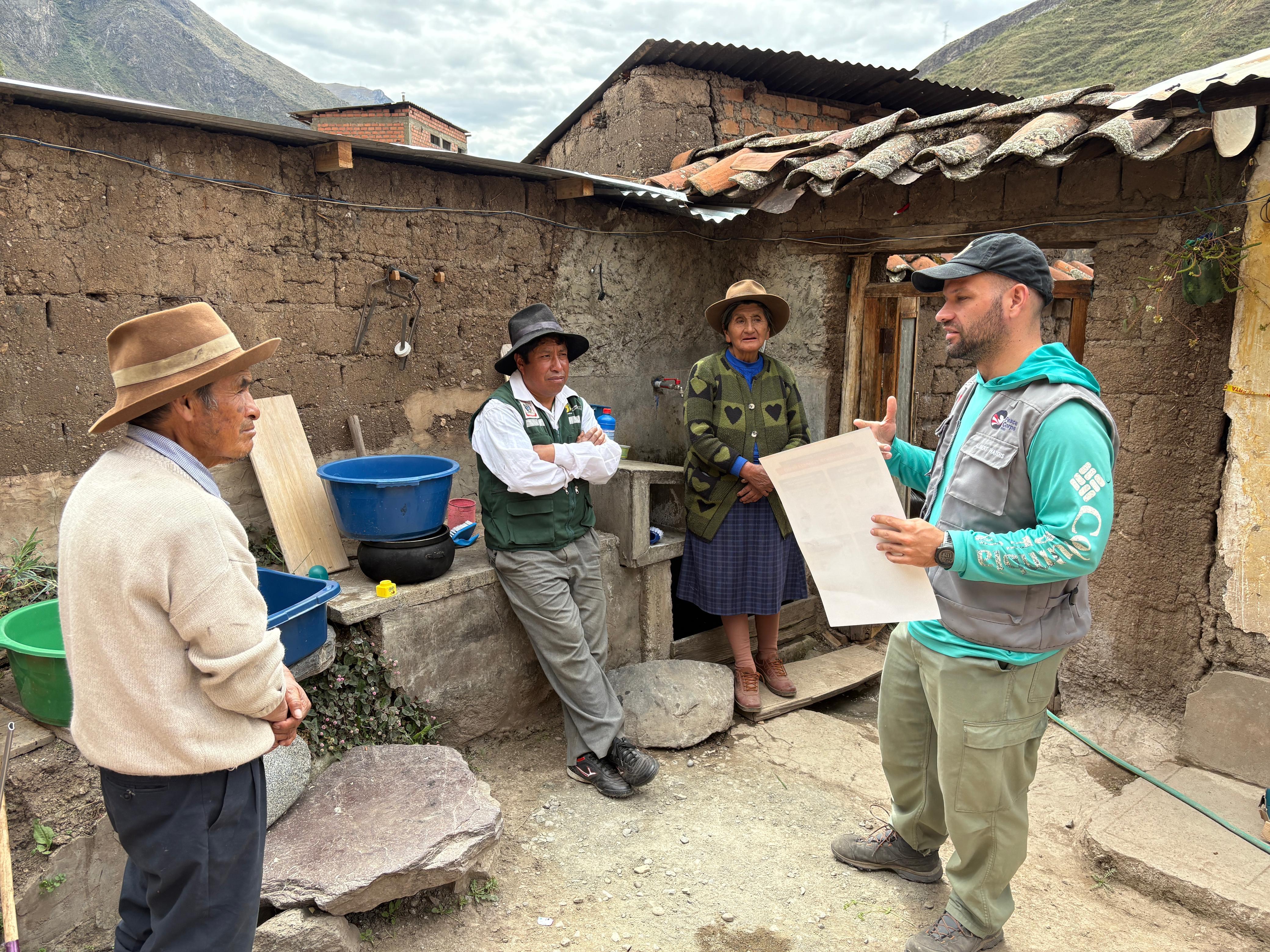
Thankfully, this need is being met. Carcas has a great JASS, (water administration committee) and their operador (person in charge of chlorinating) is very diligent. Community members also come together to do faenas de limpieza (group cleanings) of the various infrastructure components. My boss and I would also frequently visit Carcas to help with whatever they needed, and sometimes we were able to provide several kilos of chlorine for them to use. The most important part is that the community accepts the necessity of chlorinating. To help with this, we would also give small presentations to people on anemia and water safety.
The Peruvian highlands have a much higher rate of childhood anemia than the coast or the jungle, and overall a third of Peruvians don't have access to adequately treated water.