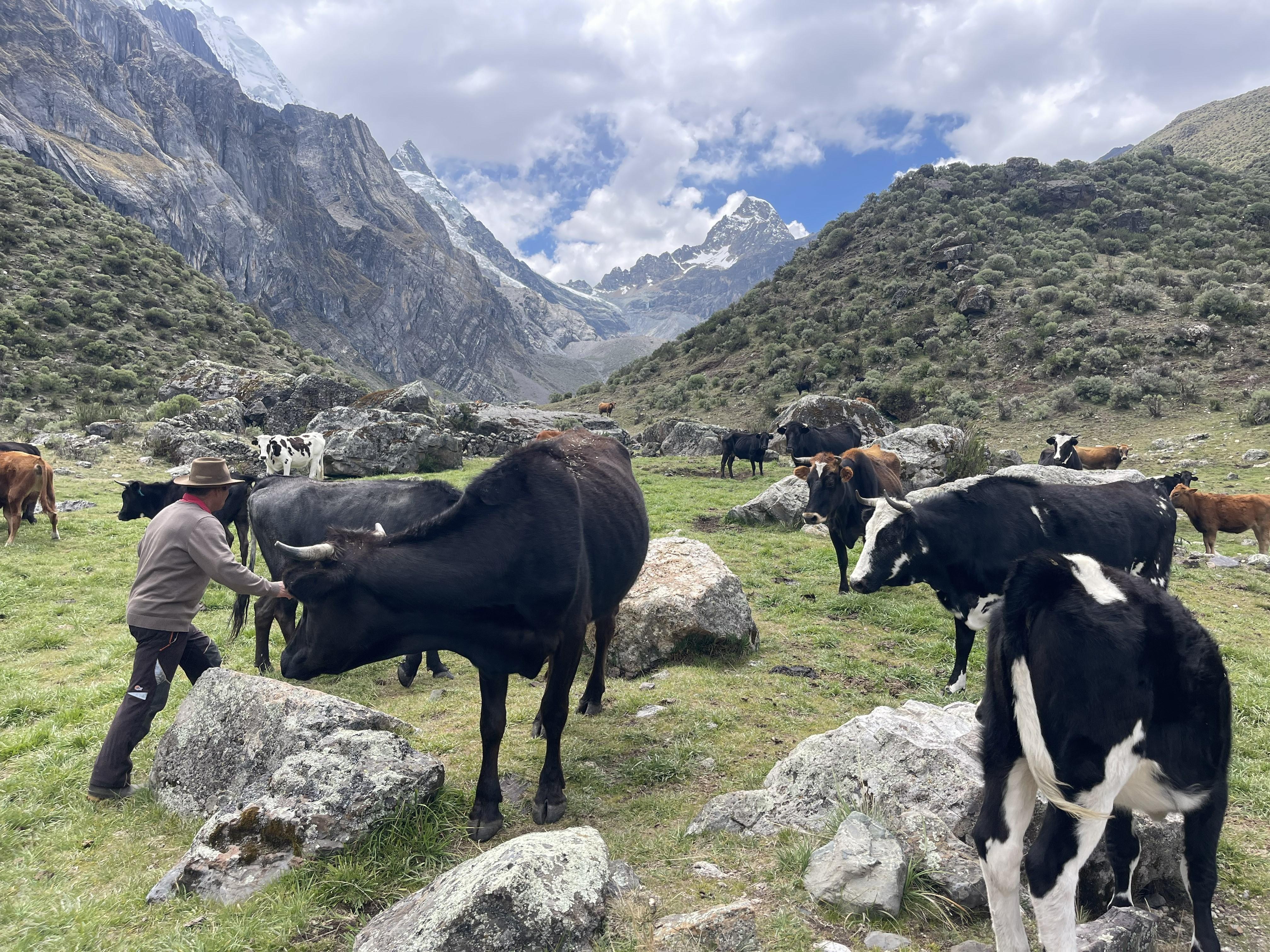
Expansive grasslands have allowed farmers to raise animals such as llamas and alpacas, and cows and sheep after Spanish colonization in the 16th century.
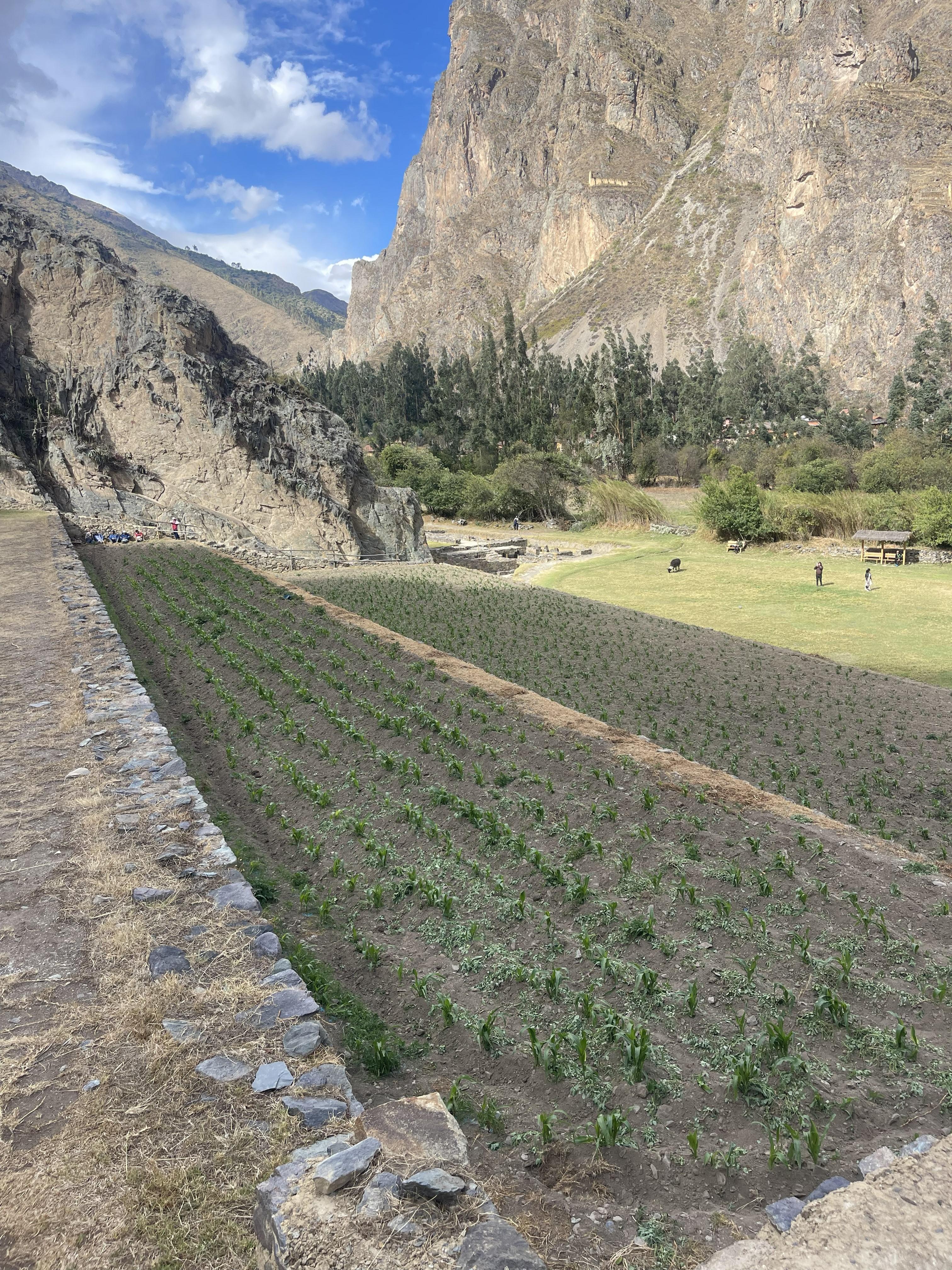
While the sierra lacks the huge variety of fruits and vegetables that can grow in other parts of Perú, there are many extremely nutritious foods that naturally grow here. Examples of this include over 4,000 varieties of potato, many other tubers, and quinoa. Some valleys are also low enough in elevation to allow production of avocado, apples, strawberries, and other fruits and vegetables.
The climate also facilitates life here. While the puna (high elevation grassland) is very exposed and can get extremely cold, the main valleys where people live are excellent for living and growing food. Temperatures normally stay between a low of 32°F and a high of 86°F, and a months-long rainy season from December to April-May helps farmers secure a good harvest every year.
The Andes have always been challenging to live in for people who settle at the higher elevations. Even for the people living in the temperate Callejón de Huaylas (Huaylas Valley), where Huaraz is, challenging situations are arising.
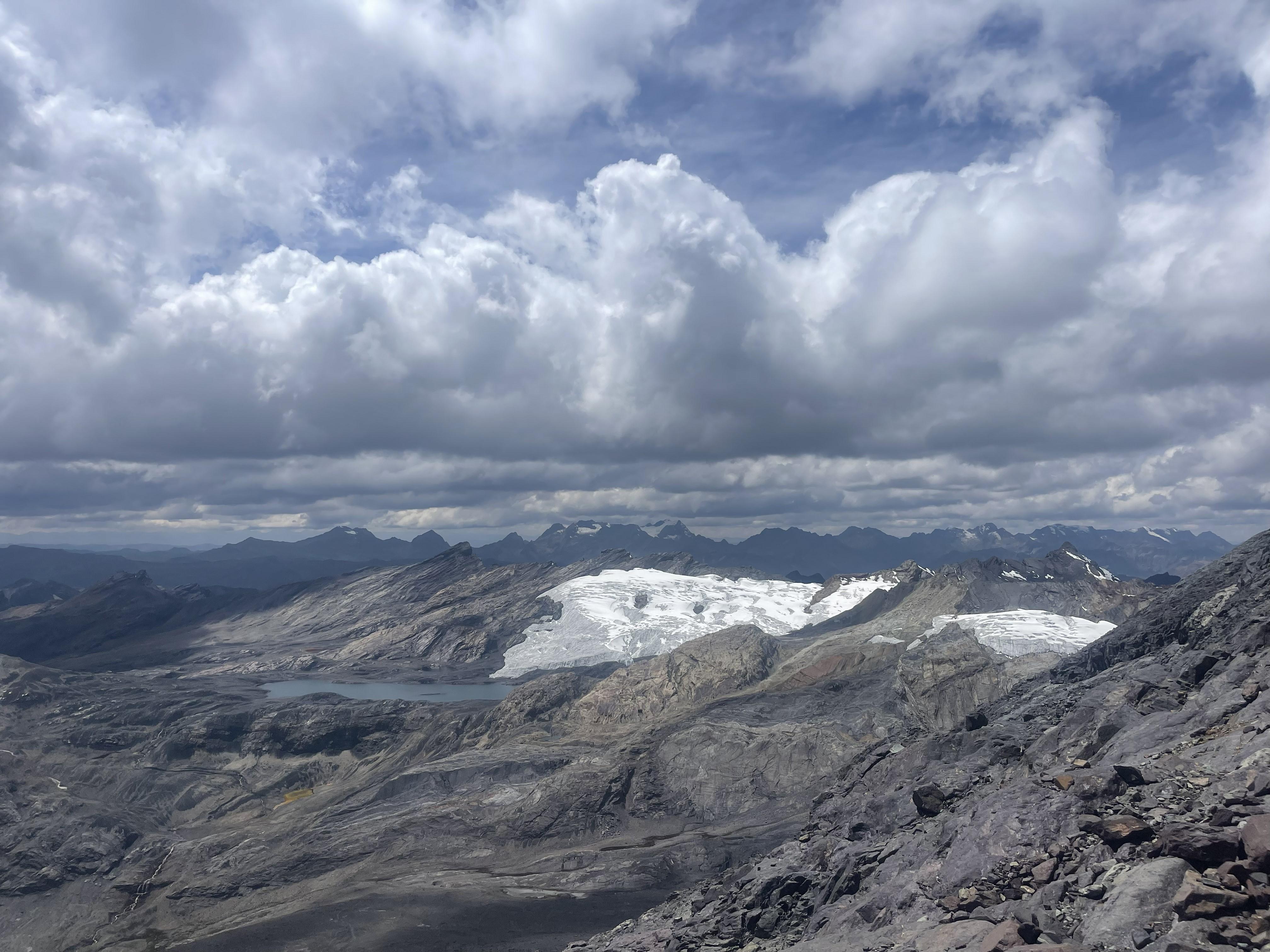
Climate change is having a big impact on the Andes and the communities that live there. In Huaraz and other communities in the main valley, water is becoming an issue. As the glaciers melt, new mountainous lakes are formed and existing ones reach dangerous water levels, and occasionally they overflow and threaten communities and farmland. The area left bare by retreating glaciers also exposes chemicals that enter the water stream.