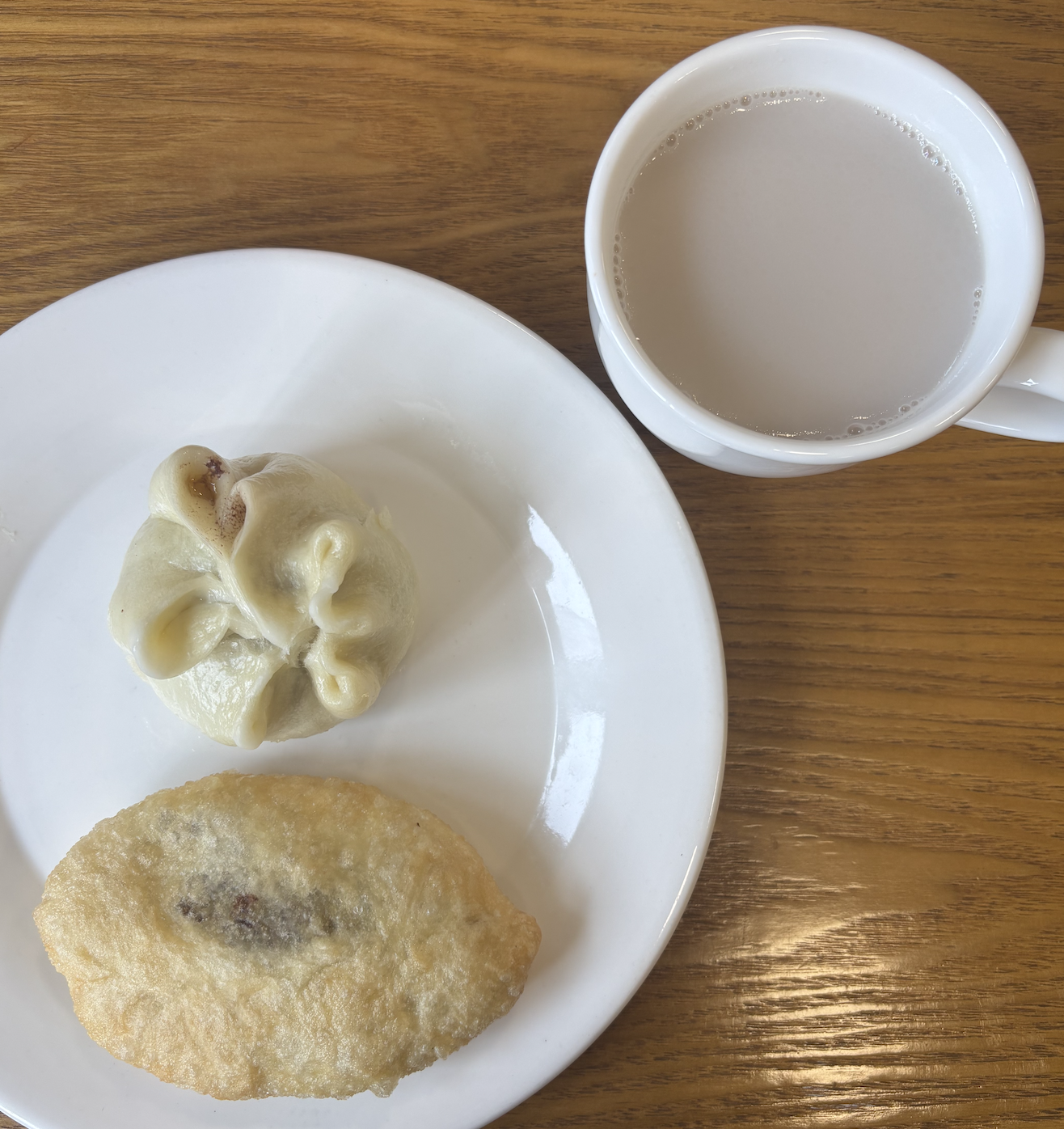
It is a savory tea made with brick black or green tea, milk and salt, and sometimes with butter or animal fat.
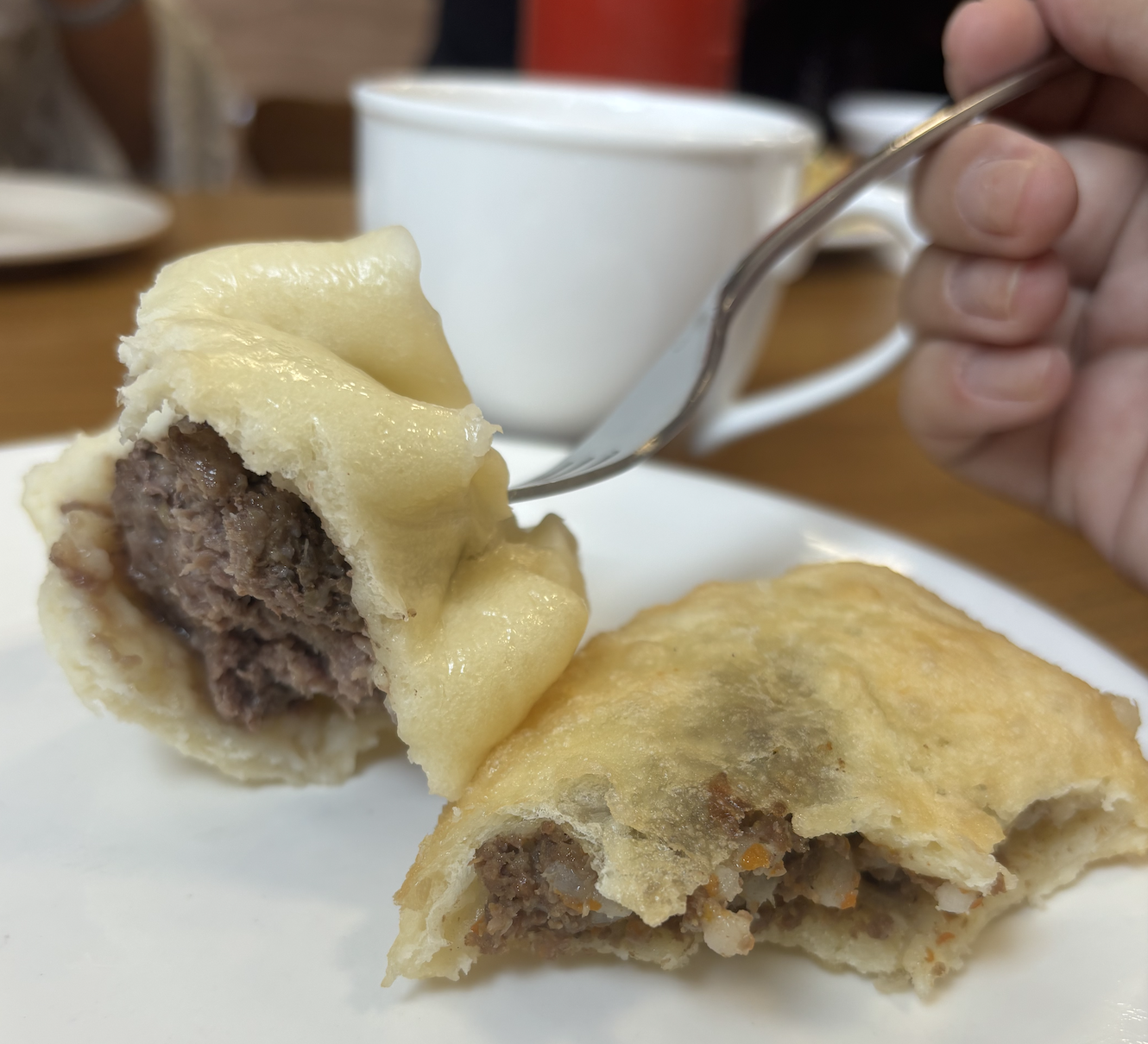
Everyday meals often include Бууз (buuz, steamed dumplings) filled with minced lamb or beef; Пирошки (piroshki, meat-filled bread buns) that reflect Russian influence; Хуушуур (khuushuur, fried meat pastries); and Цуйван (tsuivan, stir-fried noodle dish) made with hand-cut noodles, meat and vegetables. As you can tell, Mongolian meals are generally very hearty, warm and filling.
I really enjoy Mongolian food. Since I am a big fan of meat and dairy, I did not take long to get used to the flavors and food options here. One thing I really appreciate is how fresh the food is. In restaurants, you often wait longer for your meal because dishes are cooked fresh in the kitchen, rather than being premade and reheated.
Because food is prepared fresh, it is usually easy to request small changes to a dish, such as removing an ingredient due to allergies or preferences. Mongolian food feels very homey and comforting, and it may not be surprising that some of the best meals I’ve had were homemade. In fact, the food tastes best when it is cooked and eaten inside a ger, as this is how it is traditionally enjoyed, which makes the experience feel even more special.