There have been successful species reintroductions in Scotland, and a few others are in the works. Red kites, a large bird of prey, have been successfully reintroduced across the United Kingdom. Additionally, after years of research and trials conducted by the Scottish Wildlife Trust and the Royal Zoological Society of Scotland, beavers have been successfully reintroduced to Scotland after being hunted to extinction in the 16th century. Very recently, beavers have returned to the famous Loch Ness after 500 years!
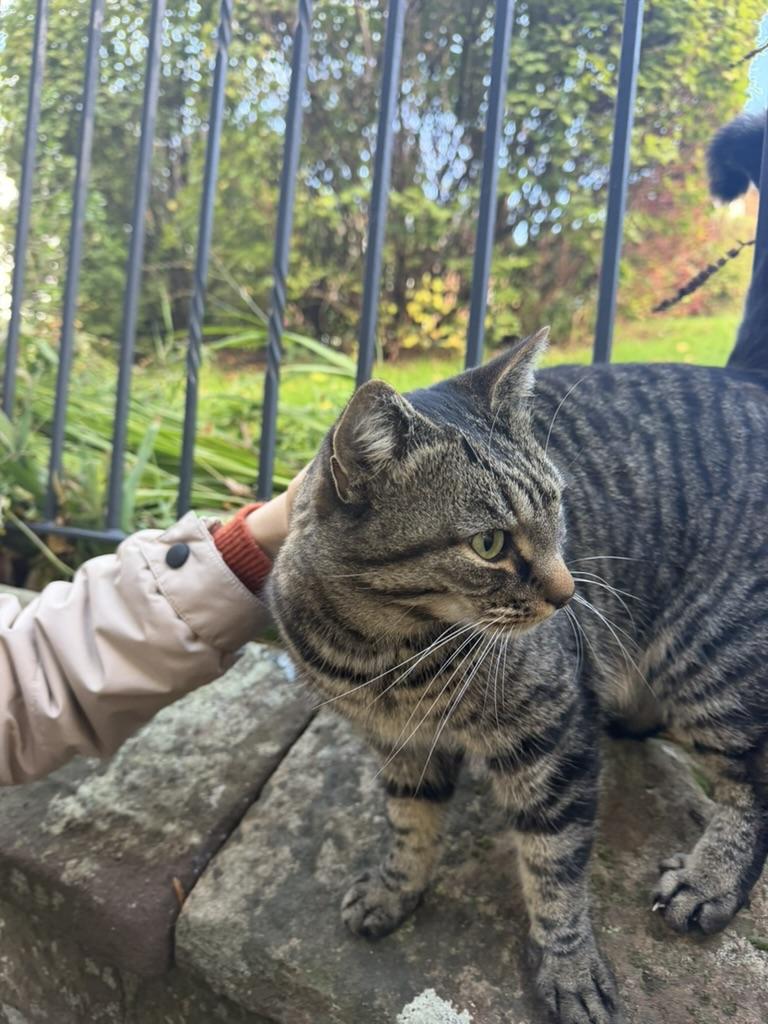
A project to reintroduce wildcats to Scotland is currently underway, as individuals bred in captivity are gradually being released into Cairngorms National Park. Many conservation scientists and nonprofits are hopeful that lynx, bear, and wolf populations can one day be reintroduced to Scotland as well.
Reintroduction of species in Scotland is sometimes controversial, as animals like beavers can cause damage to local farms and property. However, these political controversies can be overcome with proper community involvement, planning, and, when necessary, compensation for damages. Especially as climate change puts catastrophic strains on habitats all over the world, the reintroduction of species like this is vitally important. Biodiversity is a crucial element to thriving ecosystems. It is especially important to reintroduce and protect what is known as “keystone species,” or species that play a disproportionate role in maintaining the harmonious structure of an ecosystem. These can include predators like wolves, which control deer populations, preventing the overgrazing of vegetation.