Over time, Taiwan made the dish its own, and much of the pork filling comes from Taiwan’s large pig-farming industry, especially since pork is the most-eaten meat in Taiwan. The fresh ginger served with the steamed dumplings is also grown locally on Taiwanese farms.
Zhajiang noodles originated from northern China, where people were known for eating and growing lots of wheat. Even though Taiwan doesn’t grow much wheat because its climate is better suited for rice, noodle shops and bakeries remain very popular. Additionally, Taiwan is one of the world’s largest exporters of edamame, and it is colloquially known as “green gold” (綠金, lǜjīn).
Additionally, Taiwan, with its humid climate and flat western plains, grows rice year-round, with some farms harvesting rice twice a year. Much of the rice here is a sticky, short-grain type called Penglai rice (蓬萊米, Pénglái mǐ), which first started growing here about 100 years ago. Whenever I travel in Taiwan, I often see and drive past vast rice paddy fields, especially in more rural areas of the country.
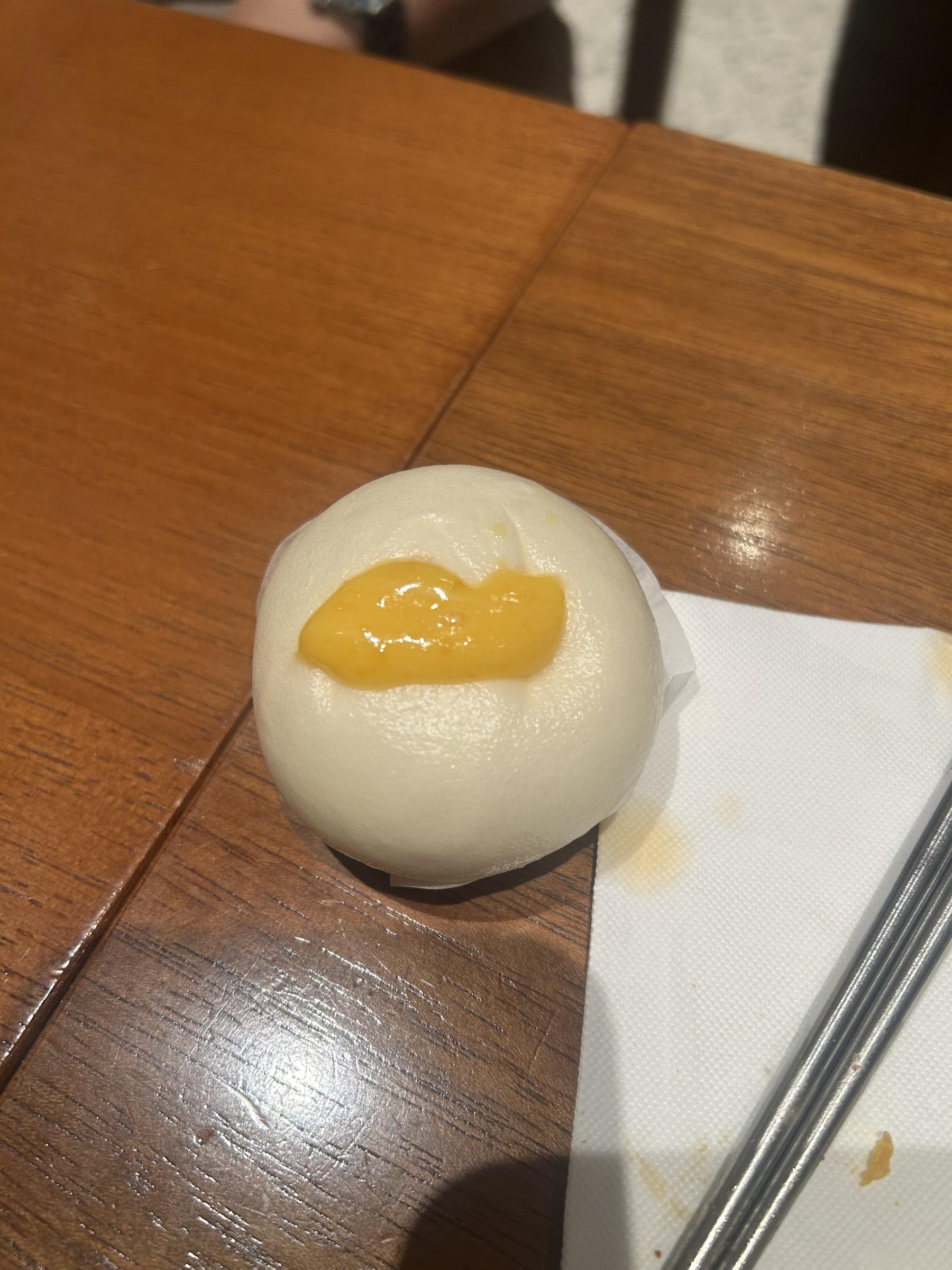
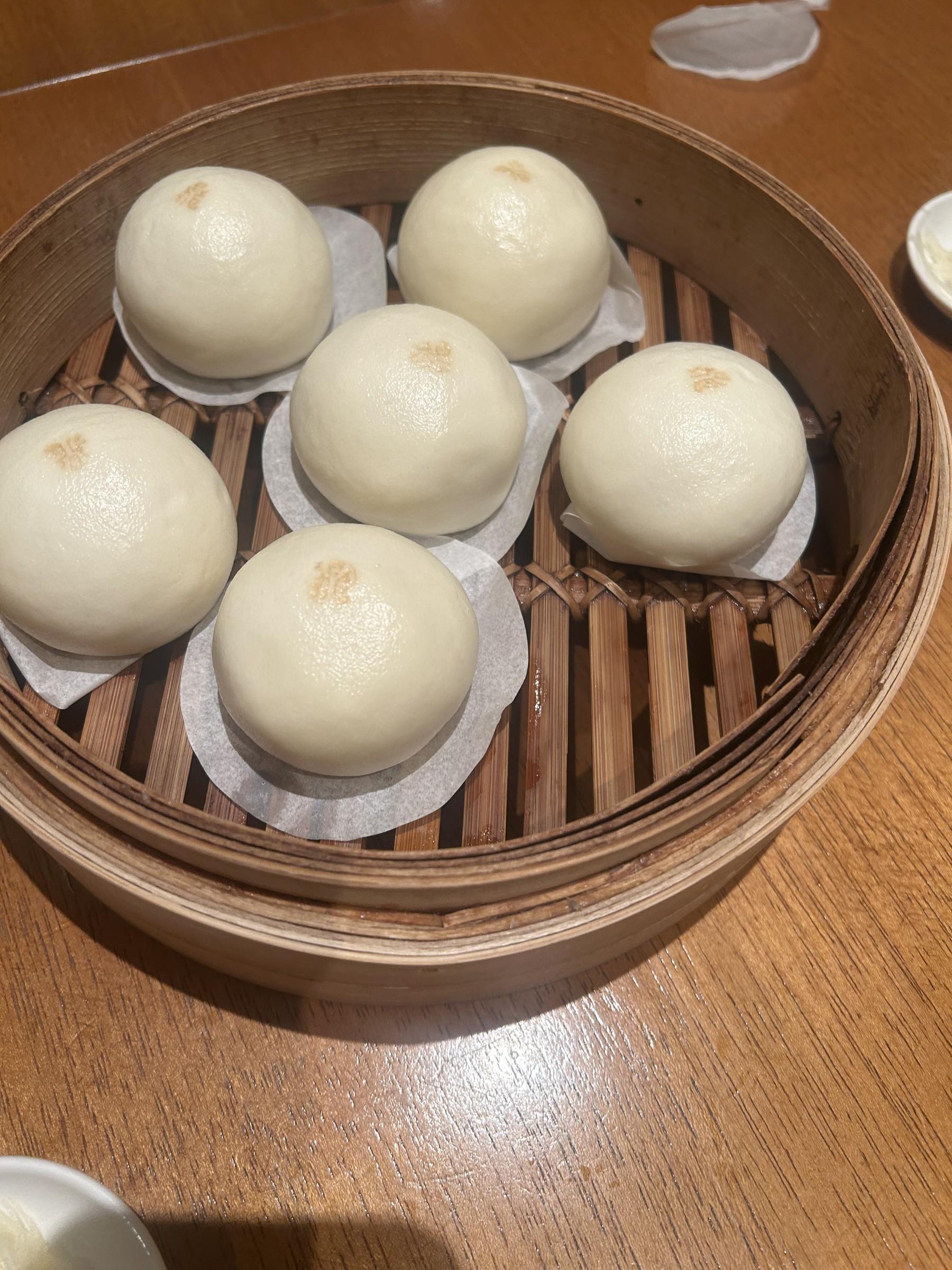
Lastly, salted egg yolk lava buns come from Cantonese Dim Sum (點心), popular in southern China, but salted duck eggs are also a big part of Taiwanese cuisine. Traditionally, salted eggs are soaked in salty water or covered in salty mud for several weeks. In fact, this was historically used as a way to keep eggs from spoiling in Taiwan’s hot, humid weather.