Soldiers marched along these roads, merchants transported goods, and messengers carried information across the empire.
Roman engineers built strong foundations using layers of stone and gravel, designed drainage systems, and constructed bridges. Some roads were paved with stone blocks, while others used compacted gravel. Sound familiar? Modern highways rely on many of these same engineering principles.
One of my favorite stops was Mérida, a Spanish city founded by the Romans in 25 BCE. Originally called Augusta Emerita, it became an important administrative and transportation center. Walking through Mérida feels like stepping into an ancient history book.
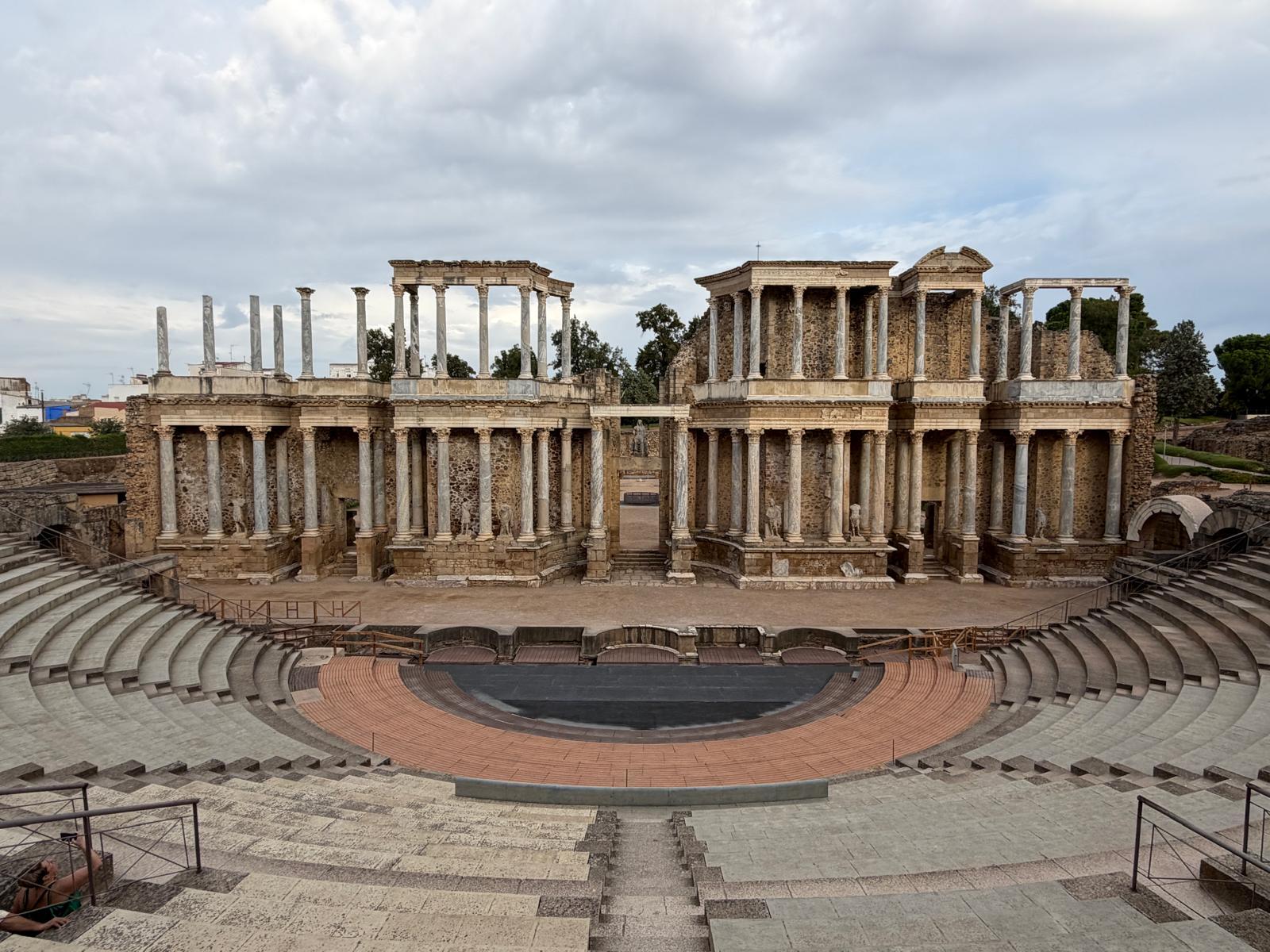
The city contains an enormous Roman theater, where thousands of spectators gathered to watch plays. Its towering stone columns and decorated stage are still standing, and performances continue there today!
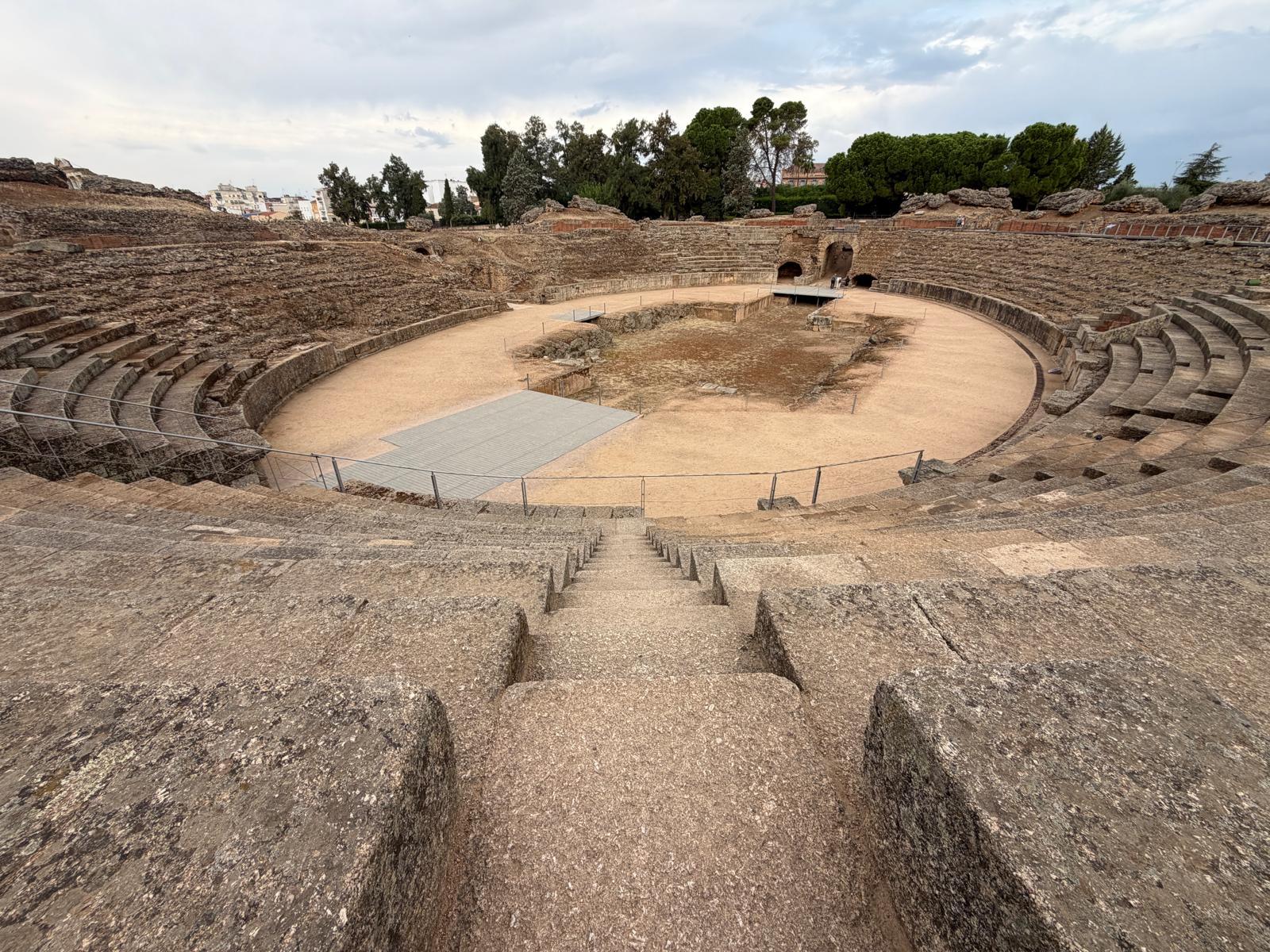
Nearby stands a Roman amphitheater, similar to the famous Colosseum in Rome. Gladiators once fought here while crowds watched from the surrounding stone seats. Imagine witnessing a gladiator contest nearly 2,000 years ago!
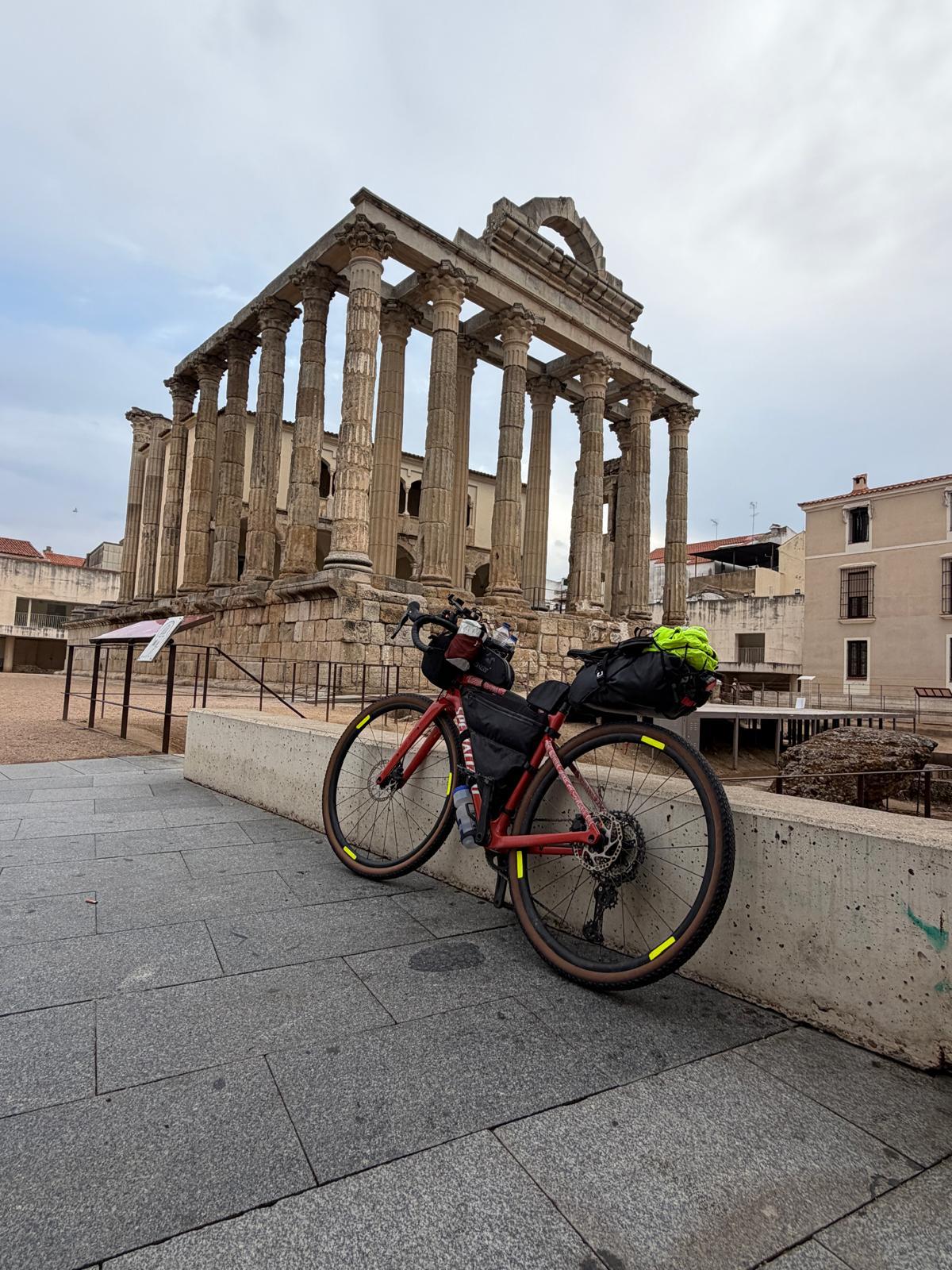
Mérida also contains Roman temples, including the Temple of Diana, with its impressive columns. These buildings remind us that Roman cities were busy communities filled with entertainment, religion, markets, and public spaces. But how did the Romans support such a large city?
Mérida has an enormous Roman stone bridge crossing the Guadiana River. This crossing allowed soldiers, merchants, and supplies to reach the city without depending on boats. The Romans also constructed aqueducts to transport fresh water from distant sources.