Using gravity, engineers carefully calculated slopes so water could flow downhill for miles, supplying fountains, public baths, and homes.
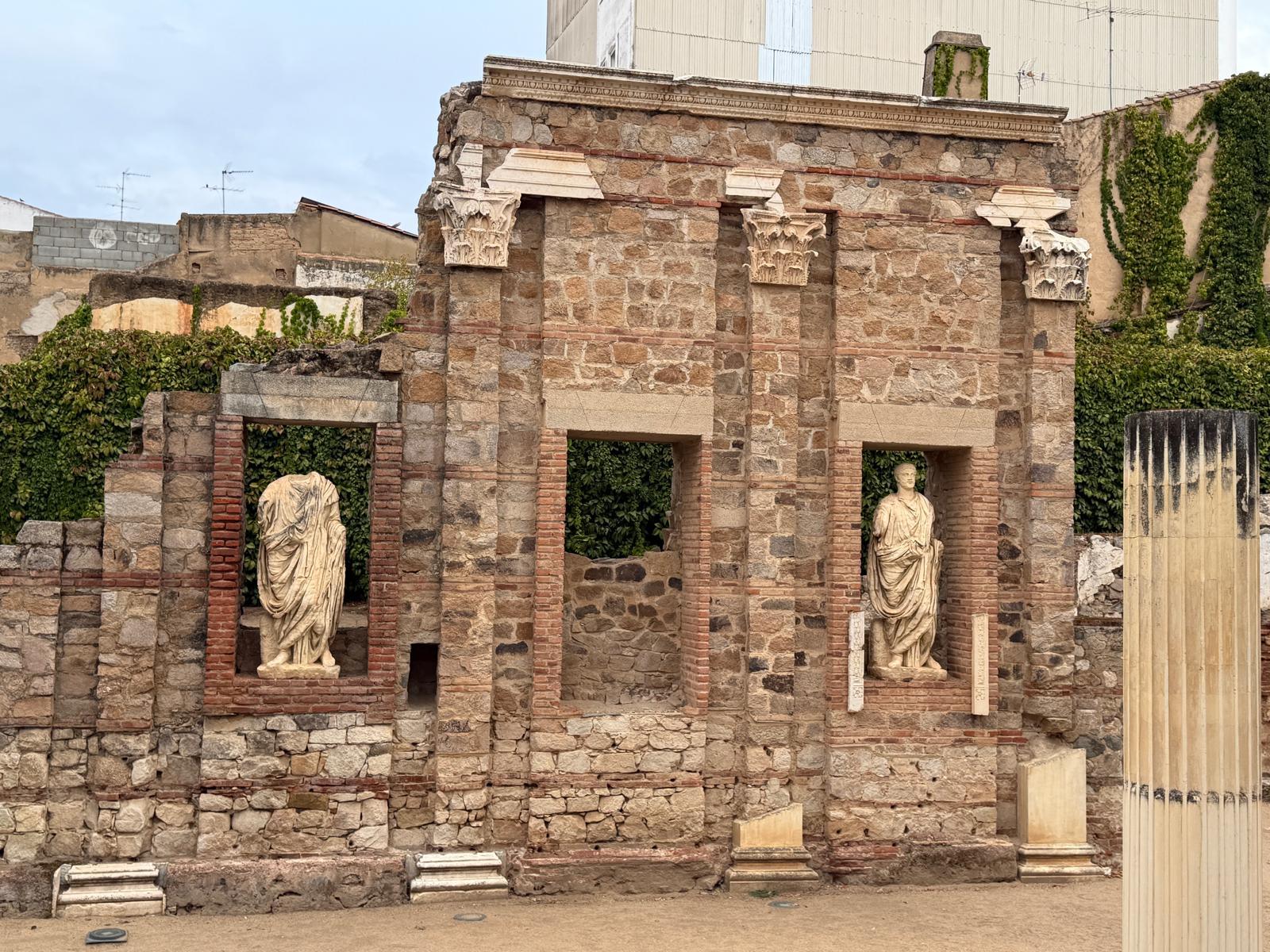
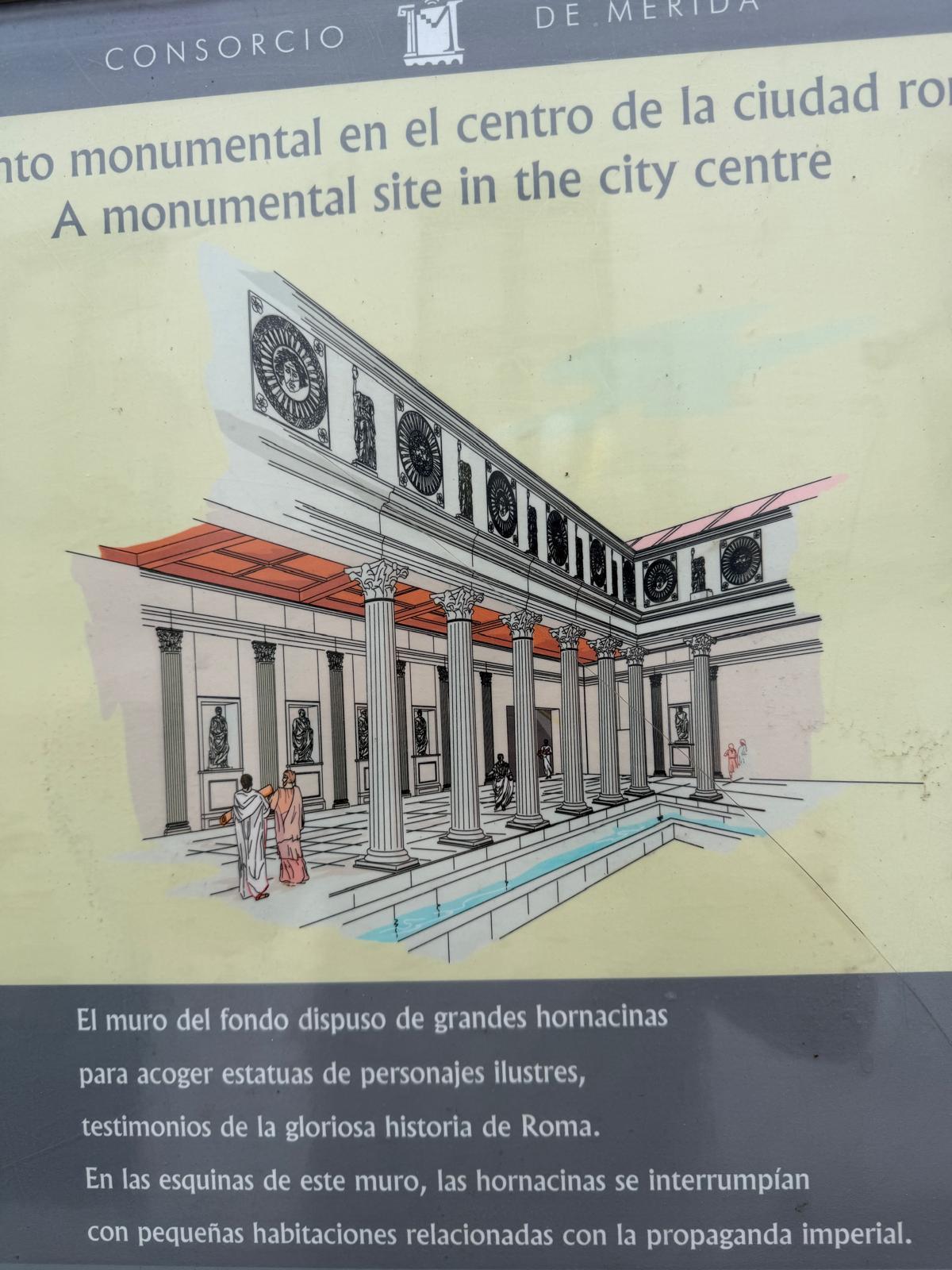
Think about designing a water system without computers or modern construction equipment! Roads moved people and goods. Bridges crossed rivers. Aqueducts supplied water. Together, these systems allowed Roman cities to grow.
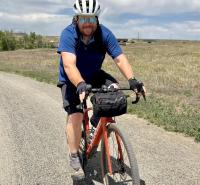
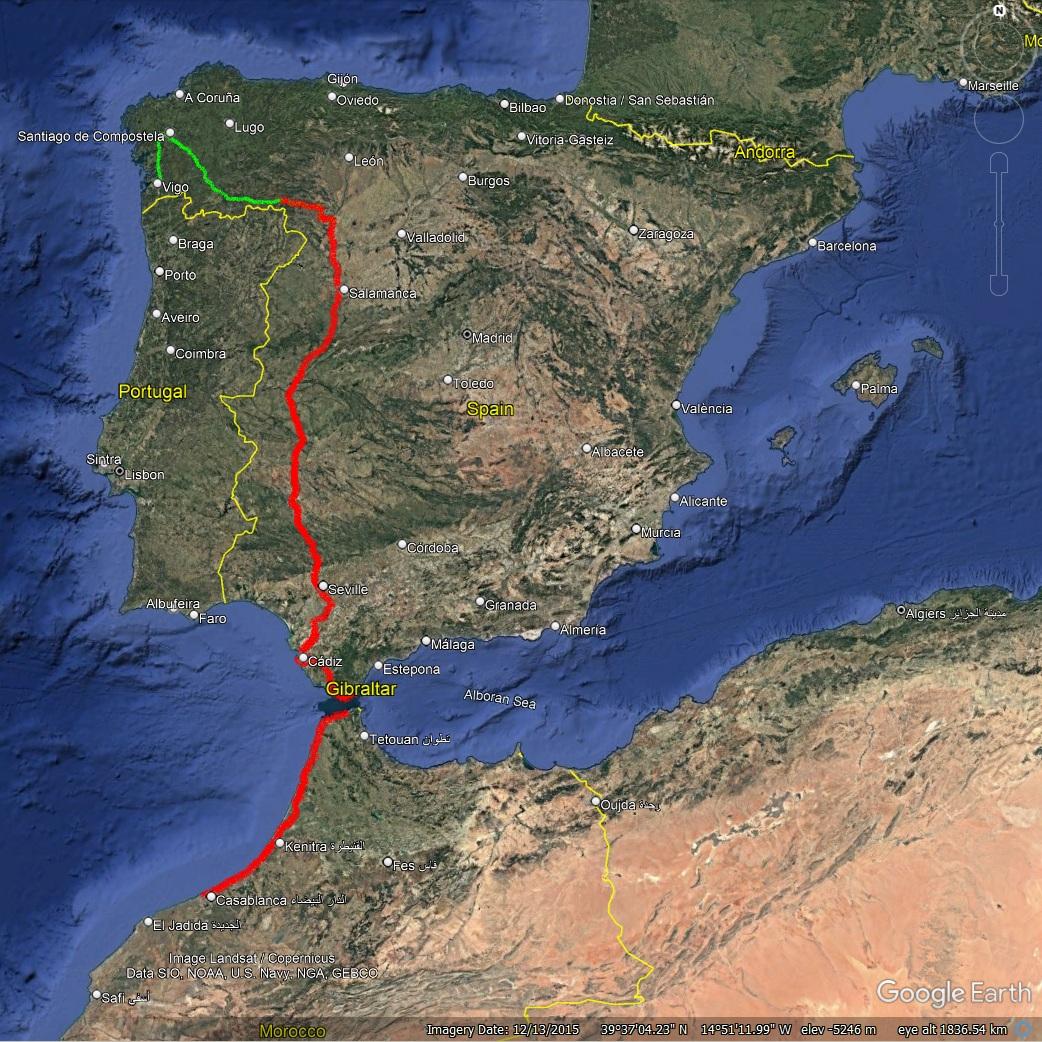
Much of my bicycle journey north from Mérida has followed the N-630 highway, which travels through the same general corridor as the ancient Roman Vía de la Plata. Why would a modern highway follow a route established almost 2,000 years ago? Because geography hasn't changed!
Mountains, valleys, and rivers still influence where roads can be built. Roman engineers searched for practical routes through difficult landscapes, just as engineers do today.
As I pedal through mountain passes and valleys, I'm facing some of the same challenges Roman travelers encountered. Fortunately, my bicycle is lighter than a wagon loaded with supplies!
Long after the Roman Empire disappeared, people continued using these routes. Some eventually became part of the Camino de Santiago, a network of historic pilgrimage routes I've been following across Spain. The Romans built roads to connect an empire, but their influence reaches far beyond ancient history.
Why did pilgrims begin following these roads toward Santiago, and why do people still make that journey today? That's the adventure we'll explore in my next article.