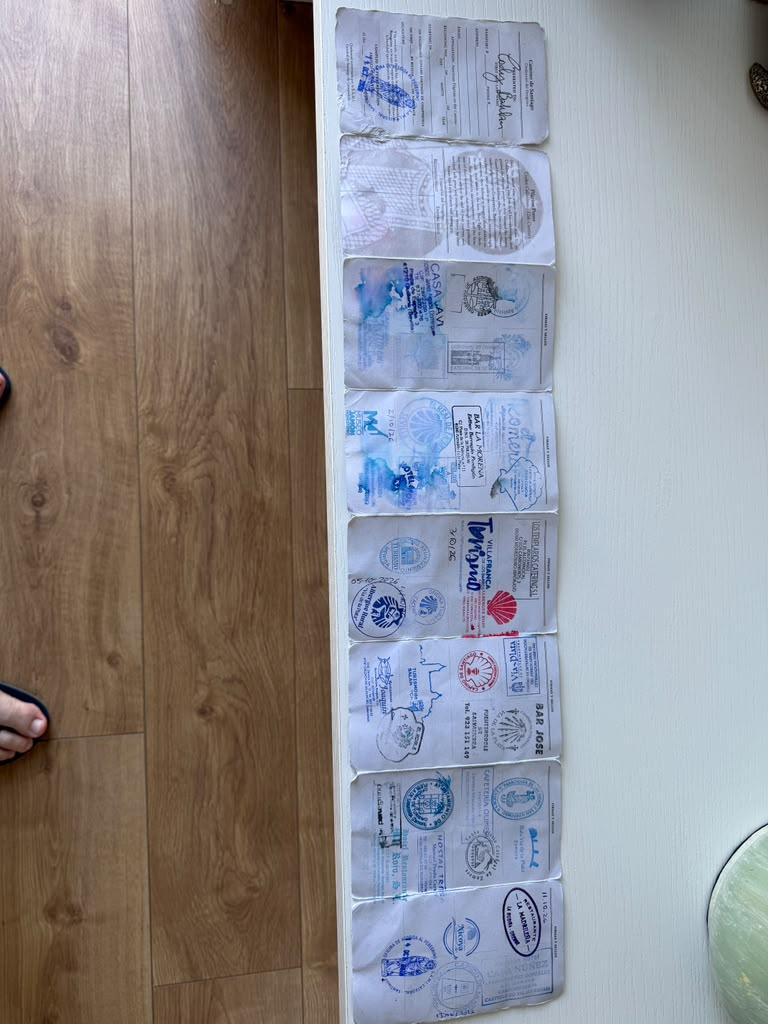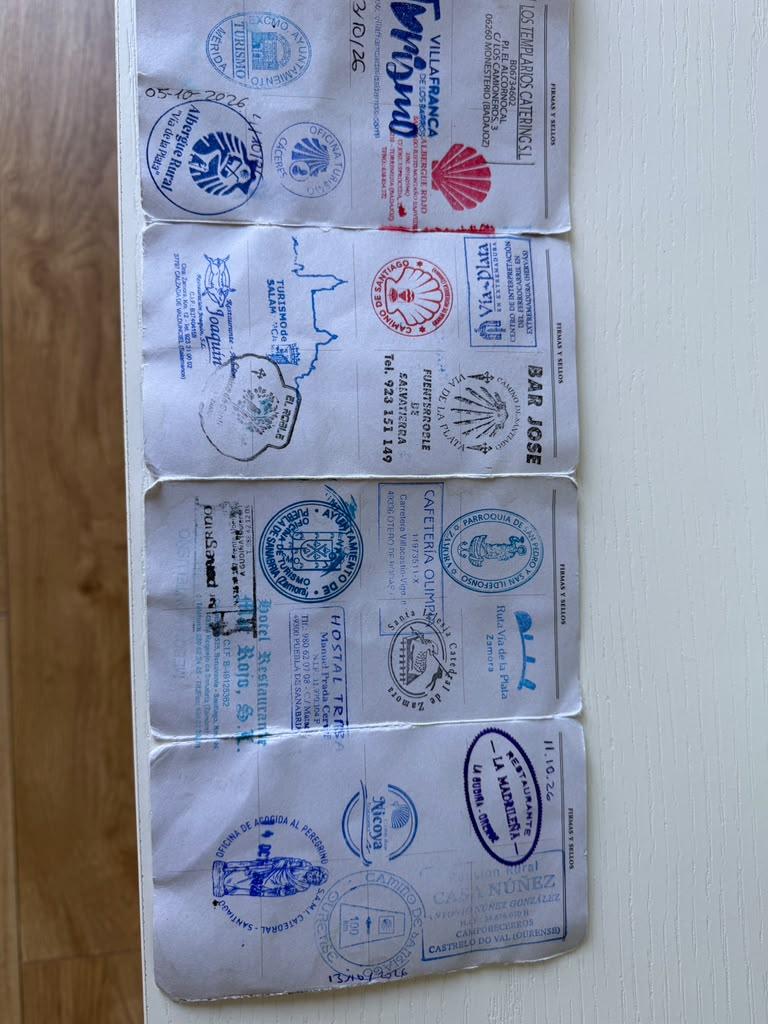
Travelers share directions, offer encouragement, and greet one another with the Spanish expression Buen Camino, meaning "Good Camino" or "Have a good journey."
Although people come from different countries and speak different languages, they share the experience of traveling toward Santiago. What do you think you could learn from spending several weeks traveling alongside people from around the world?
Absolutely! Geography has helped shape the Camino for centuries.
Long before modern highways, travelers followed routes connecting towns, rivers, valleys, and mountain passes. Many Camino routes developed along ancient roads, including those constructed by the Romans.
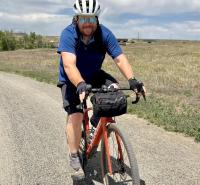
During my journey, I passed through the dry agricultural plains of southern Spain, crossed mountains near the Portuguese border, and entered the green, rolling hills of Galicia.
These landscapes presented different challenges. Southern Spain brought heat and long distances between towns. Farther north, steep climbs, rain, and cooler temperatures made cycling more difficult. How might these same challenges have affected pilgrims hundreds of years ago, before bicycles, paved roads, and modern weather forecasts?
The Camino has also influenced the communities along its routes. Villages provide accommodations, food, bicycle repairs, and other services for travelers. Some towns have welcomed pilgrims for hundreds of years.
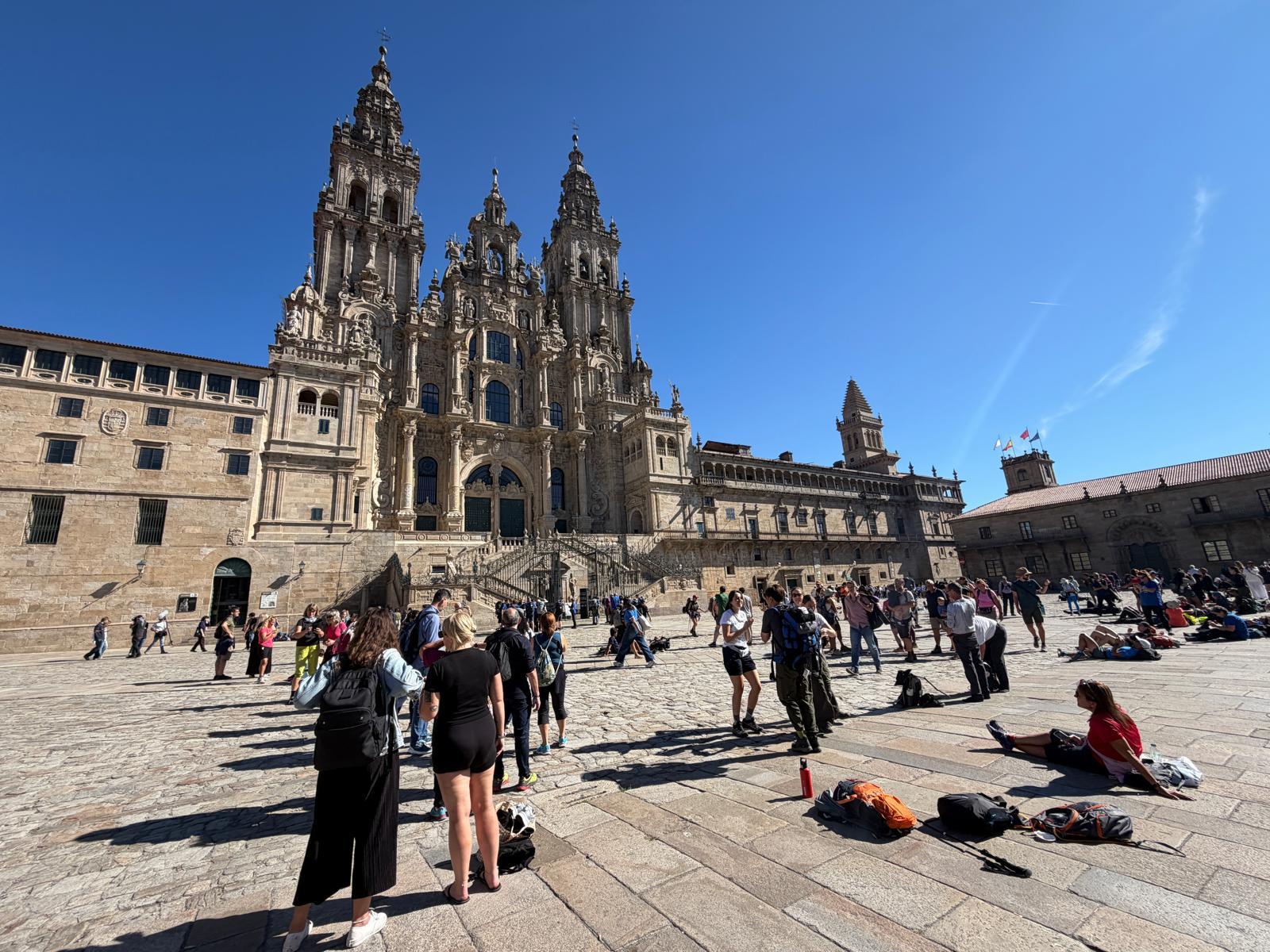
Finally, after weeks of cycling, I reached the enormous cathedral in Santiago de Compostela. The plaza was filled with travelers celebrating their arrivals, resting on the stones, and taking photographs.