No satellite maps. No weather forecast.
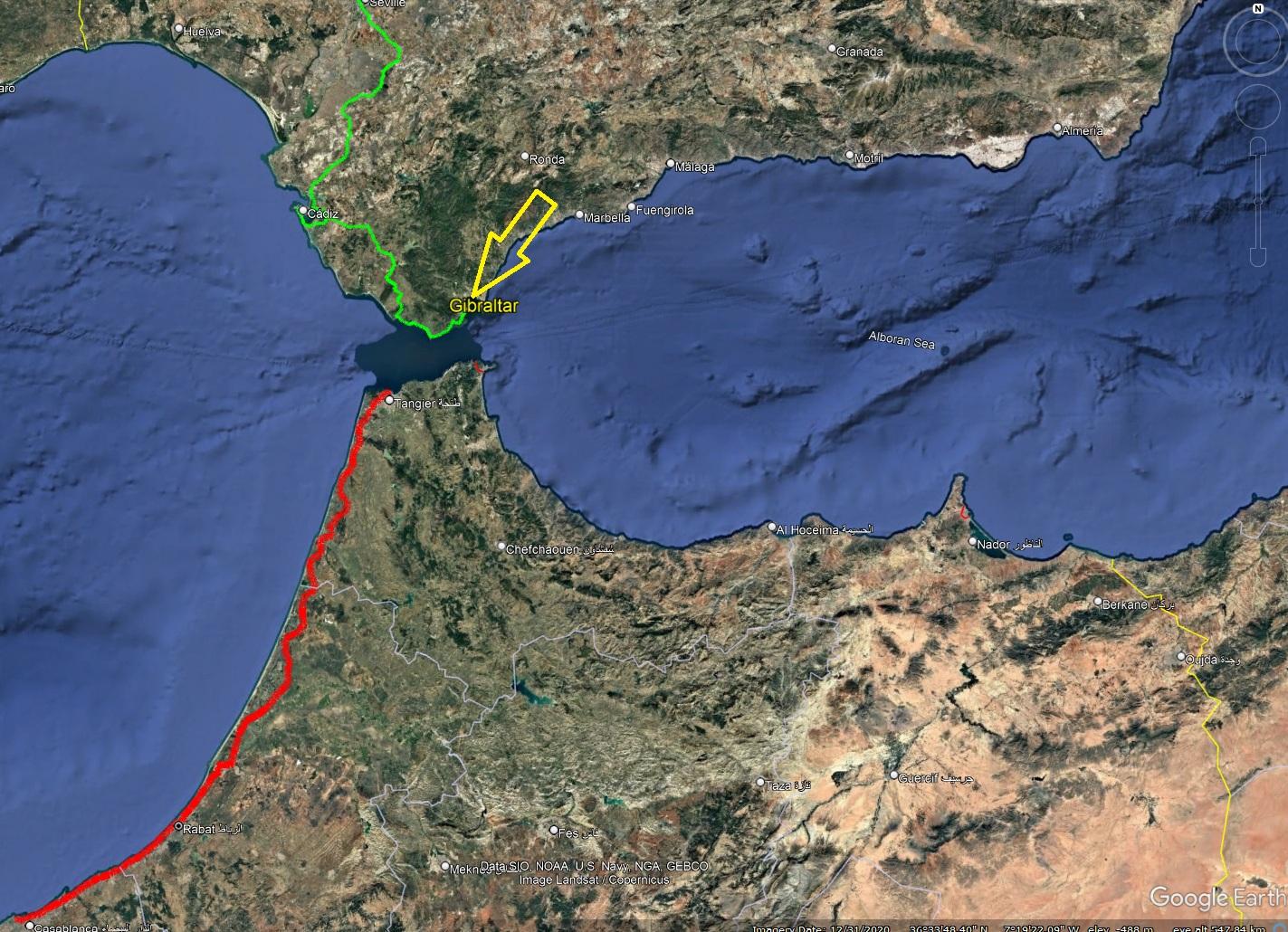
Would you sail beyond the Pillars of Hercules without knowing what was waiting for you? Many civilizations have passed through this area, including Phoenicians, Romans, Byzantines, North African Muslim dynasties, Spanish kingdoms, and later British and Dutch forces.
Even the names tell part of the story. In 711, Tariq ibn Ziyad crossed from North Africa. Gibraltar became known as Jabal Tariq, Arabic for "Mountain of Tariq." Over time, Jabal Tariq became Gibraltar. Algeciras also has an Arabic name, from al-Jazira al-Khadra, meaning "the Green Island." Much later, Anglo-Dutch forces captured Gibraltar in 1704. It eventually became British and remains a British Overseas Territory today.
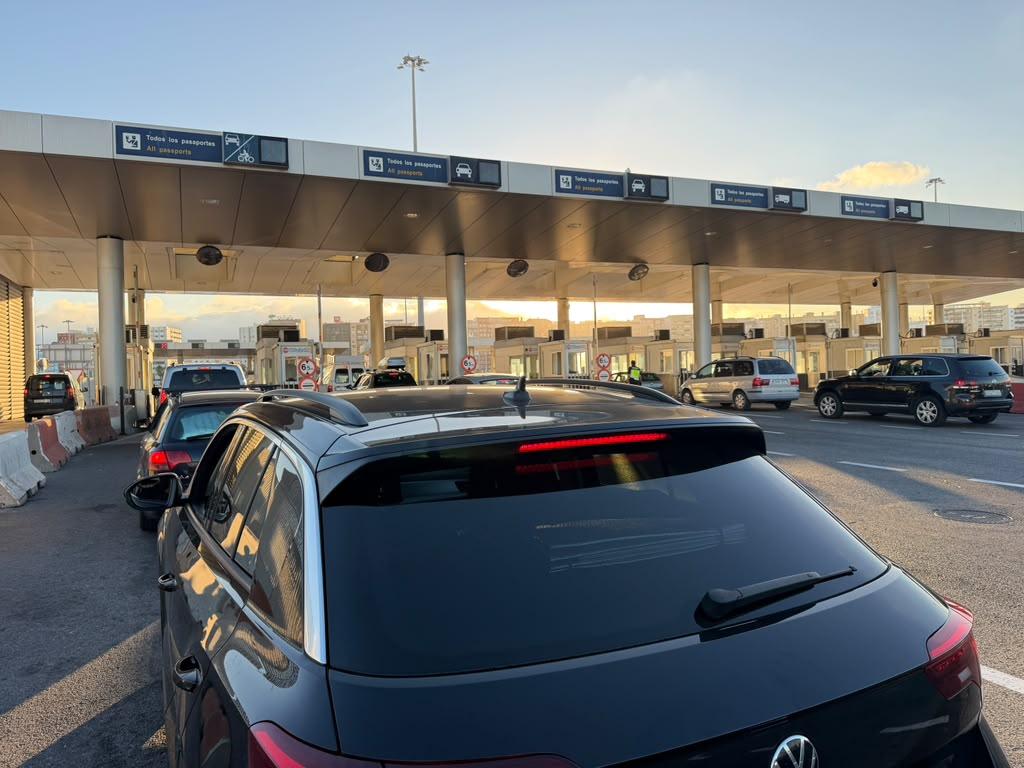
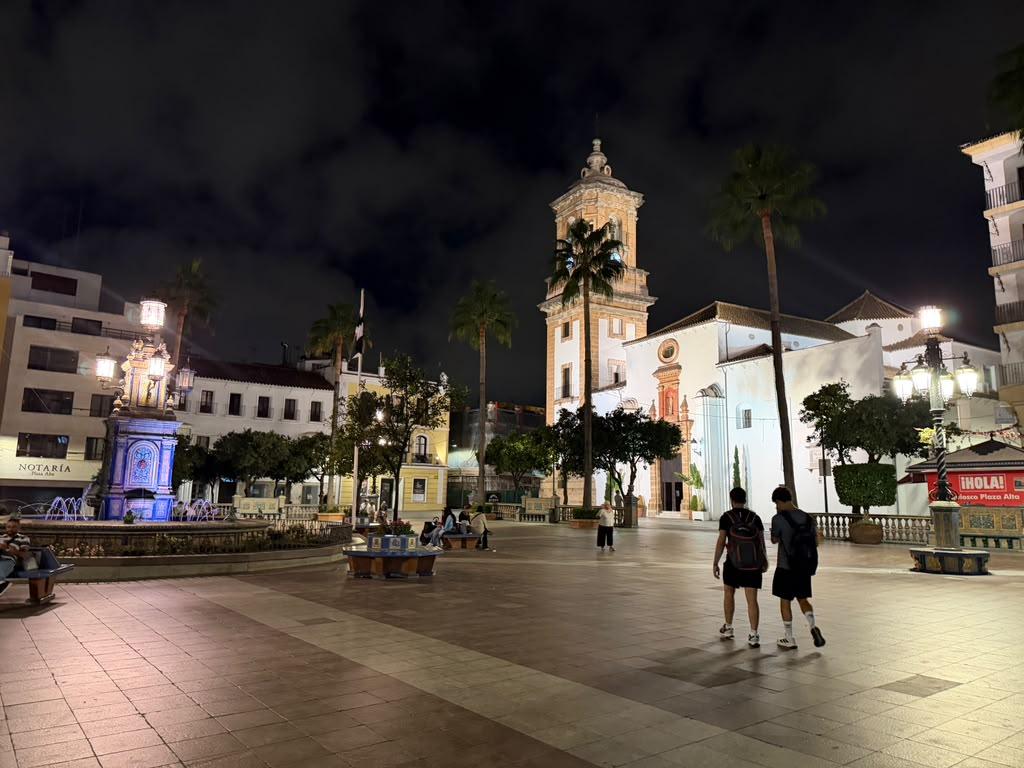
Walking around Algeciras, I realized that crossing into Europe didn't mean North Africa suddenly disappeared. I heard Spanish and Arabic. I saw women wearing hijabs and traditional North African clothing walking alongside women wearing shorts and shirts that wouldn't look out of place in a mall back home.
Then I walked into a restaurant and saw an entire jamón, a Spanish cured ham, mounted on a carving stand. After cycling through predominantly Muslim Morocco, where pork isn't traditionally eaten, that was a pretty obvious sign that I had crossed into a different country! What clues would you look for to discover which cultures have influenced a city? Language? Clothing? Food? Buildings?
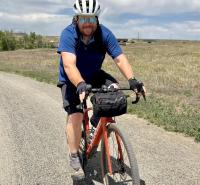
After more than 230 miles through Morocco, I took a "zero day," meaning zero miles toward my destination. My bike needed some attention too. I took it to a local shop for a tune-up and gear check before continuing the expedition. The bike got a checkup.