The Langseth is operated by Columbia University's Lamont-Doherty Earth Observatory in New York, where scientists investigate how our planet works. Researchers study earthquakes, volcanoes, oceans, climate, and the movement of Earth's enormous tectonic plates. But how do you explore places thousands of feet underwater, where sunlight never reaches the bottom?
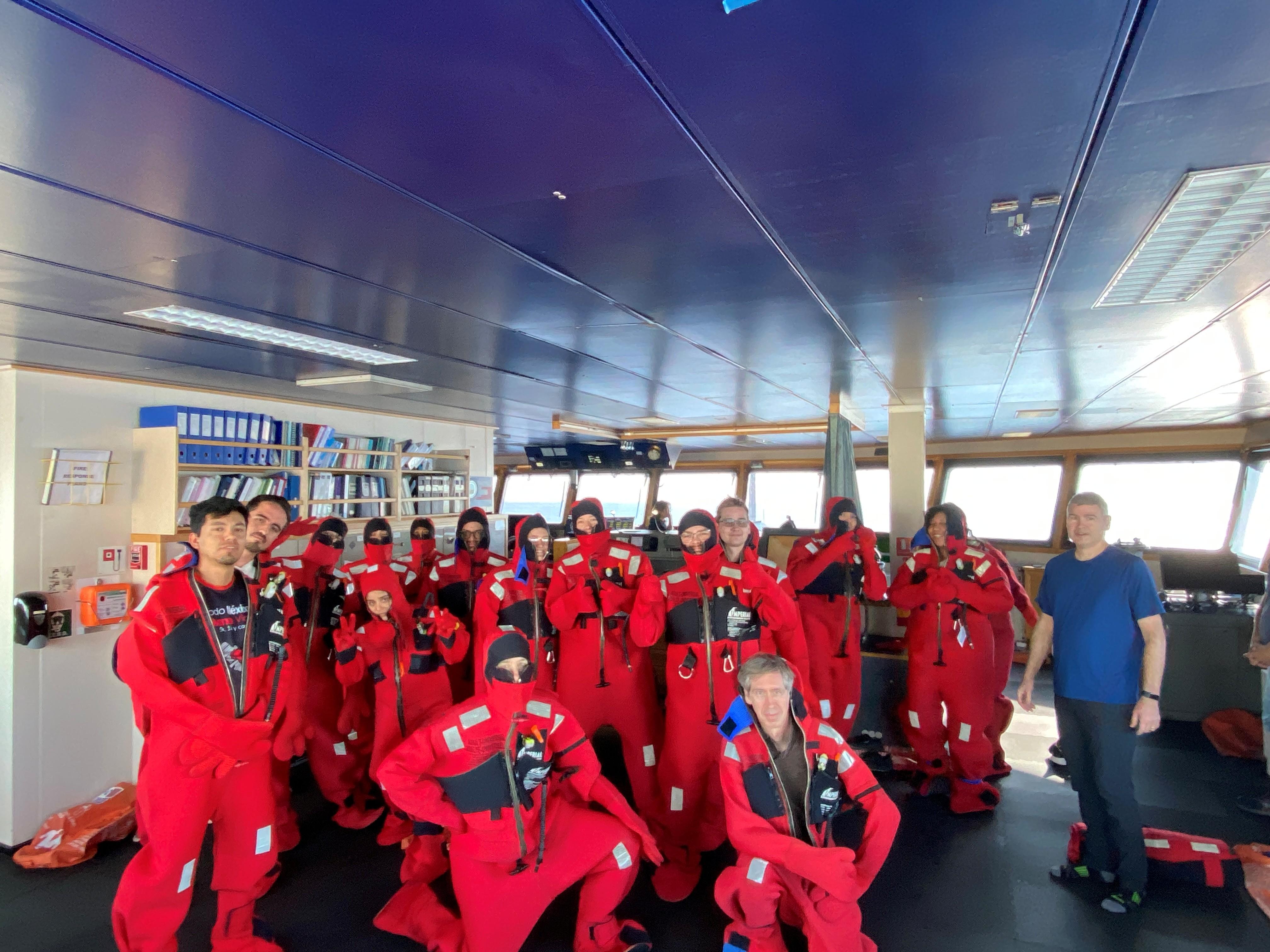
The Langseth travels around the world carrying scientists, engineers, technicians, and specialized equipment. Researchers from universities around the world use the ship to investigate questions that cannot be answered in a classroom. Some expeditions take us into remote stretches of the Atlantic and Pacific Oceans, where we spend weeks at sea without seeing land.
Imagine being able to see through the ocean floor, almost like a doctor using an X-ray to look inside your body. One of our ship's specialties is marine seismic research. We use carefully controlled sound waves that travel through seawater and into the rocks beneath the seabed. By recording the returning signals, scientists create images of underground rock layers and structures. These images help researchers understand earthquakes, underwater volcanoes, and how Earth's tectonic plates move.
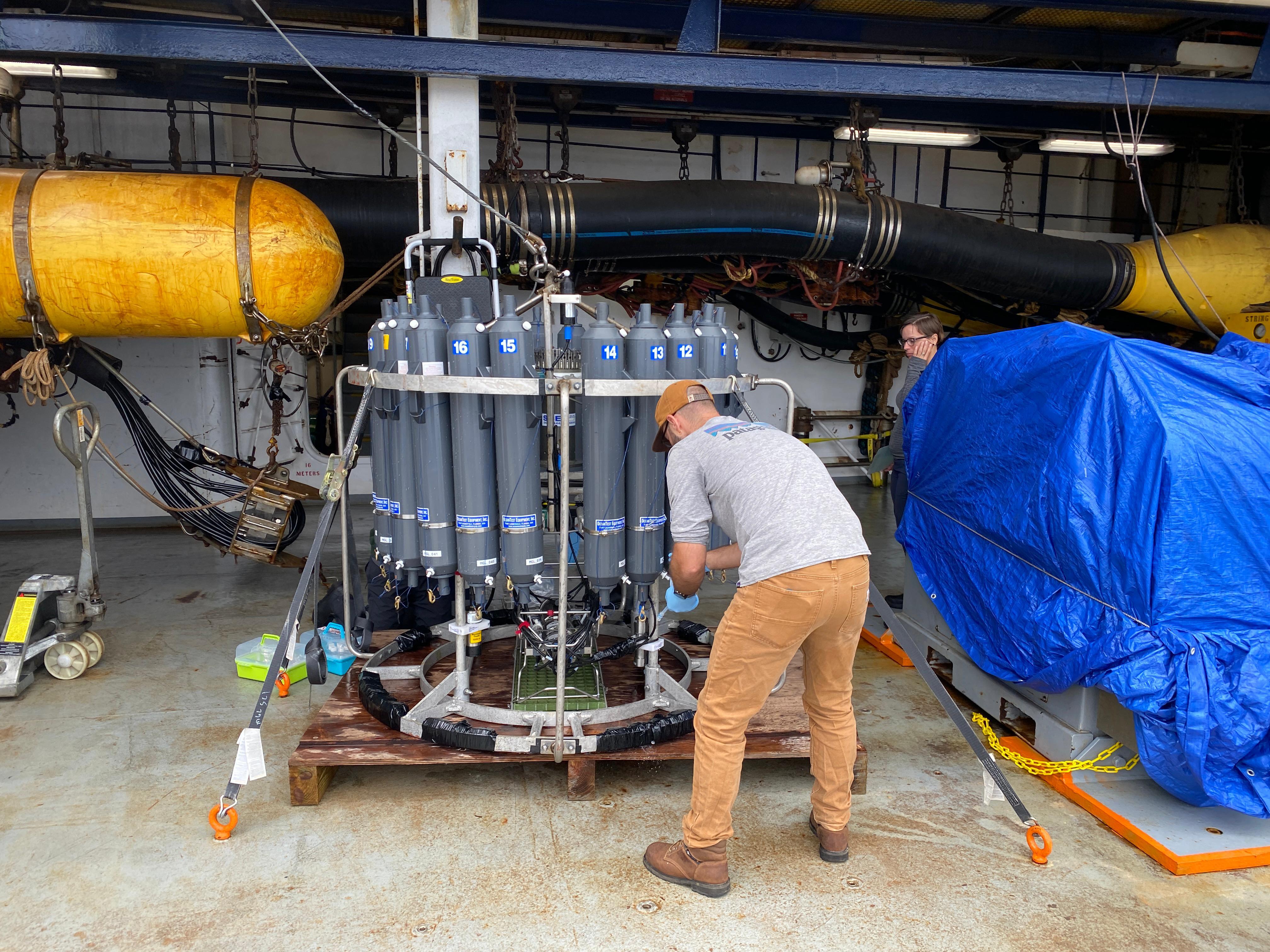
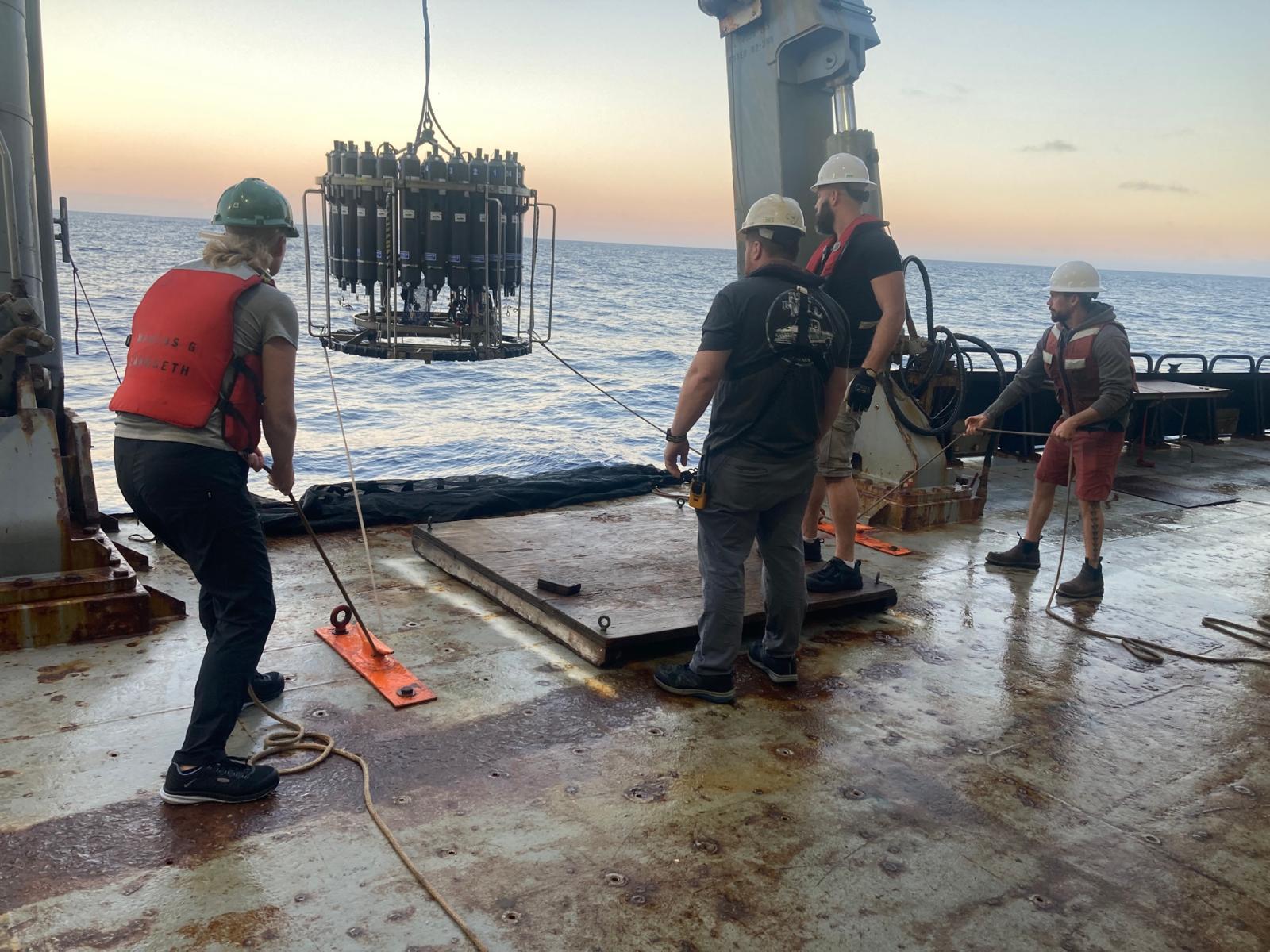
But geology is only part of ocean exploration. Scientists also conduct oceanographic research, studying the ocean itself. They investigate water temperature, salinity (how salty the water is), currents, and the movement of water between the surface and deep ocean. Using instruments lowered thousands of feet beneath the ship, researchers measure how ocean conditions change with depth. Other equipment measures currents or maps the seafloor using sonar.