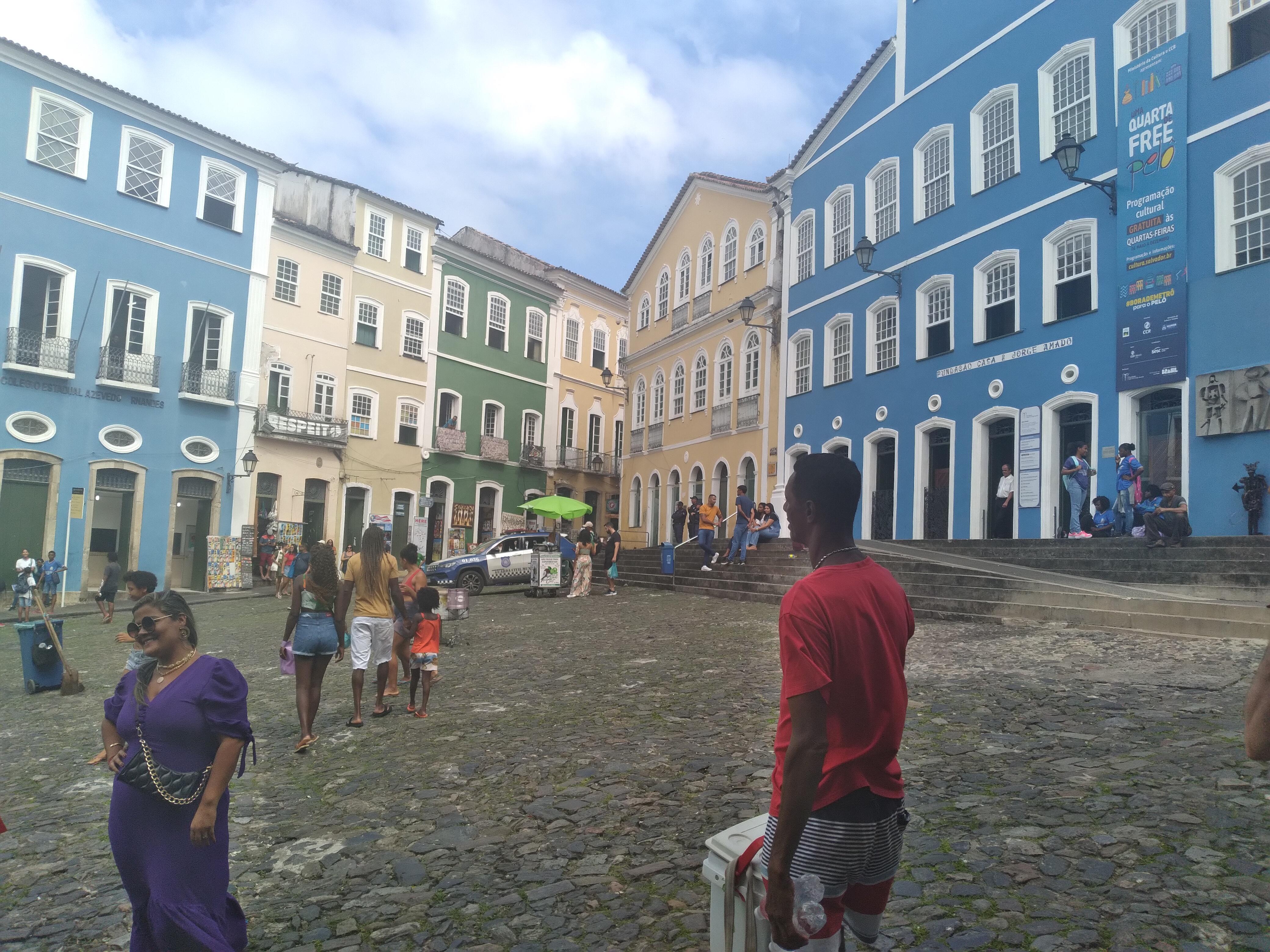
With the Black community growing in Brazil, the Portuguese and, later, the Brazilian elite worked towards "bettering" the population so they did not appear "backwards" to European intellectuals. In doing so, a "whitening" process (called embranqueamento) began, the goal of which was to "blend" white and Black parents to erase Blackness in future generations. This continued even after formal enslavement ended in 1888. As a result, Brazil has a large population of people who consider themselves Brown or Pardo. Pardo means that the individual identifies somewhere between Black and white, but they do not claim either as their sole identity.
This also applies to countless Indigenous populations that existed (and continue to exist) in Brazil. While a great many were massacred by early Portuguese settlers, many Brazilians today have Indigenous ancestry. Today, there are strong efforts to bring honor and respect back to the Indigenous communities that have been so terribly abused in Brazilian history, alongside recent goals to end prejudice and racism towards Black Brazilians.
After enslavement ended in 1888, Black Brazilians still had difficulty acquiring the jobs and education necessary to rise out of poverty. While there were certainly pockets of Black middle-class families that achieved a comfortable living, Blackness was still commonly associated with slavery, poverty, and uncleanness. Unlike the United States, where the Civil Rights Movement was gaining traction in the mid-20th century, a dictatorship prevailed in Brazil, greatly limiting the work people could pursue and, thus, equality for Black Brazilians. In fact, social progress in Brazil has been much slower.