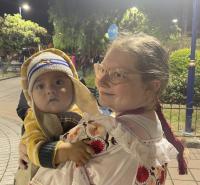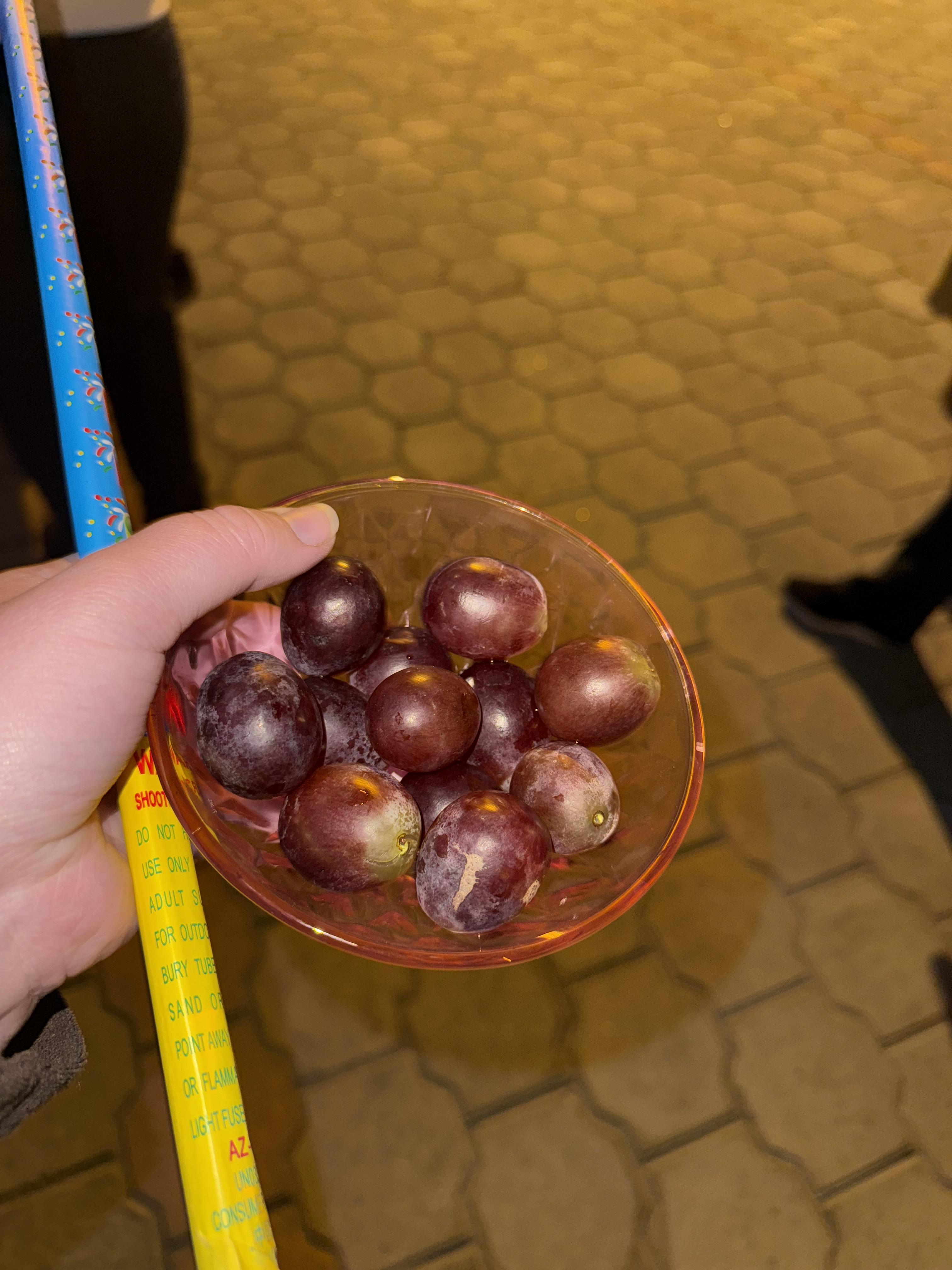
New Year's Eve in Ecuador is a wild and raucous affair! I headed out to Cotacachi, a small mountain town known for its leather, to see how Ecuadorians ring in the new year. It's very different from how we celebrate in the United States. For example, nobody kisses at midnight, because they're too busy stuffing 12 grapes into their mouths. Each grape represents one wish you have for the new year, and you start making your wishes (and eating your grapes) right as the clock strikes twelve. This is just one of many traditions I learned about. I'll cover the others briefly, but my main focus will be on monigotes (mo-nee-go-tays), also known as años viejos (ah-nyos vee-yeh-hose, "old years").
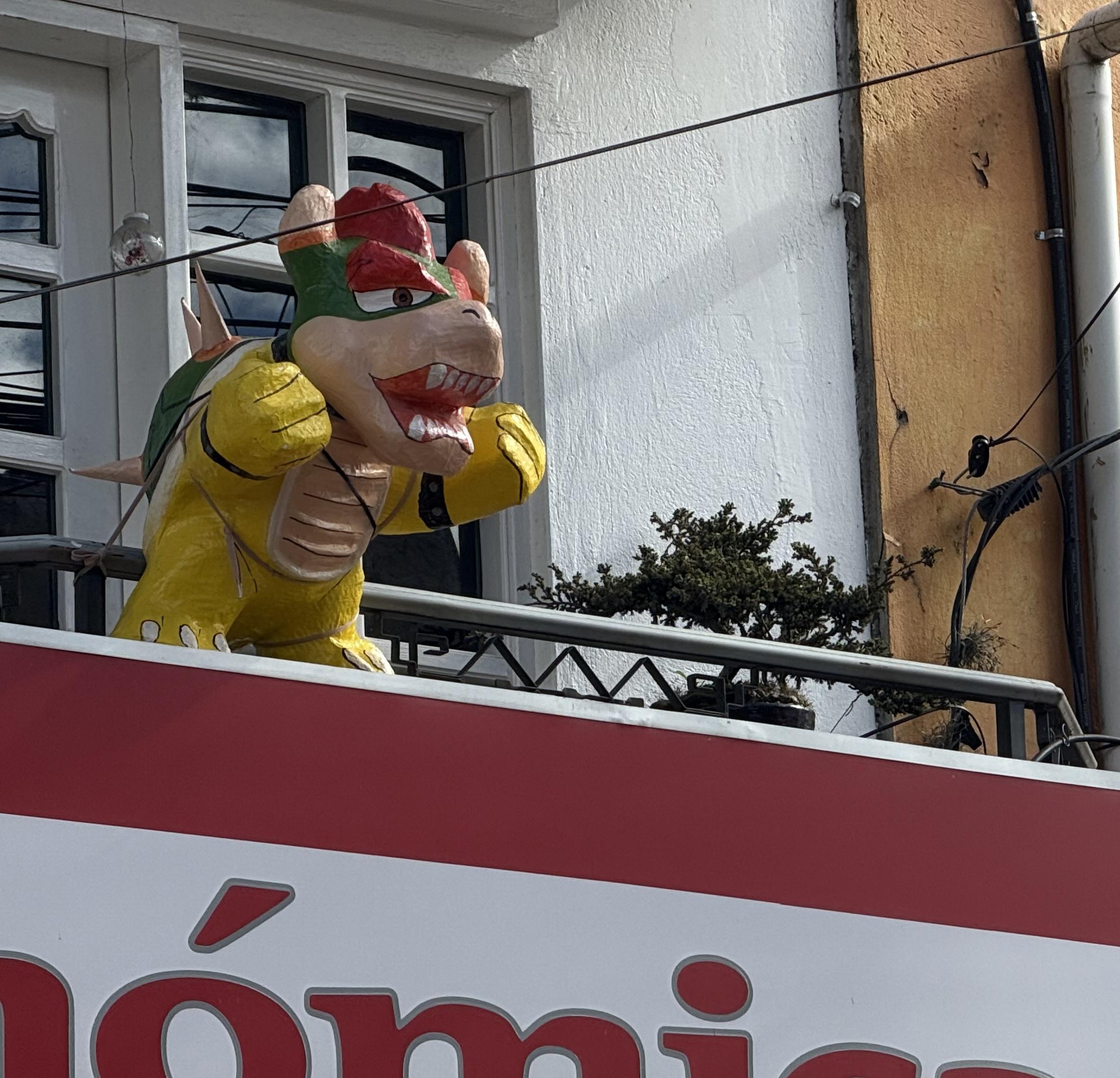
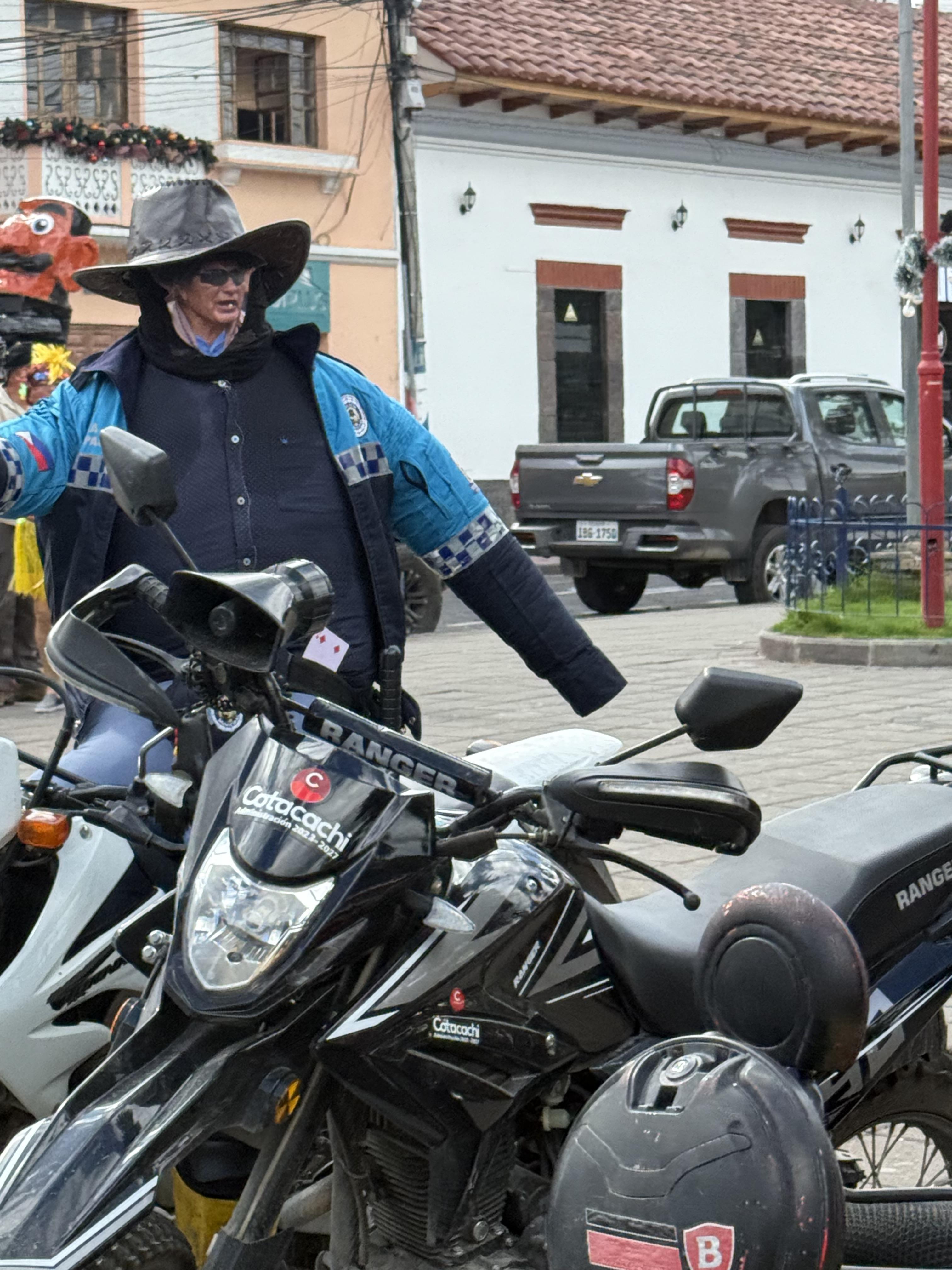
The most famous Ecuadorian New Year's Eve tradition involves monigotes and años viejos. Años Viejos means "old years". Monigotes are stuffed dolls that represent the ending year. They are usually made to look like real people, but it's also popular to make them in the form of things like cartoon characters. Despite the hours of work that goes into crafting them, each monigote suffers the same fate: being burned in the street on New Year's Eve.