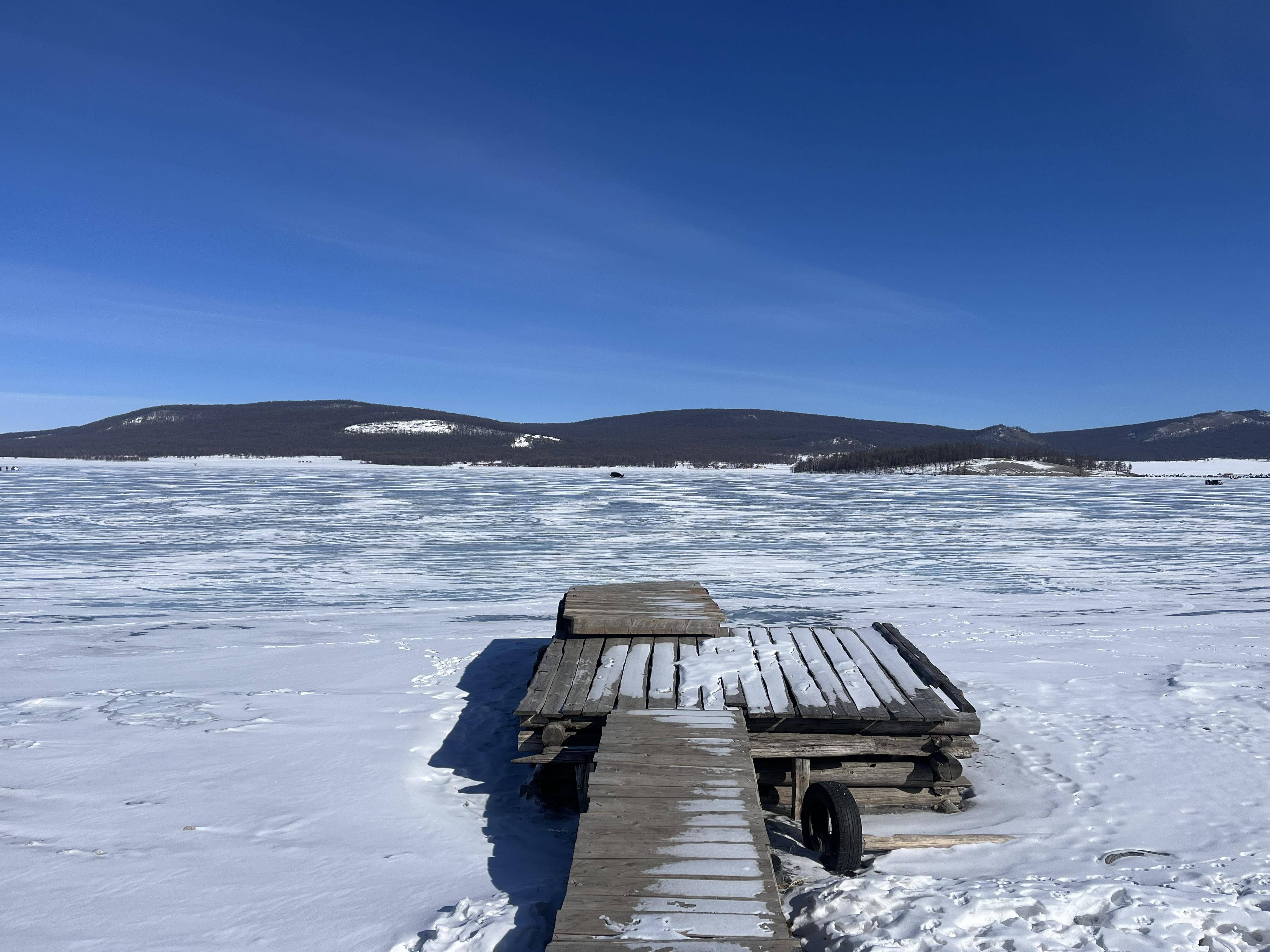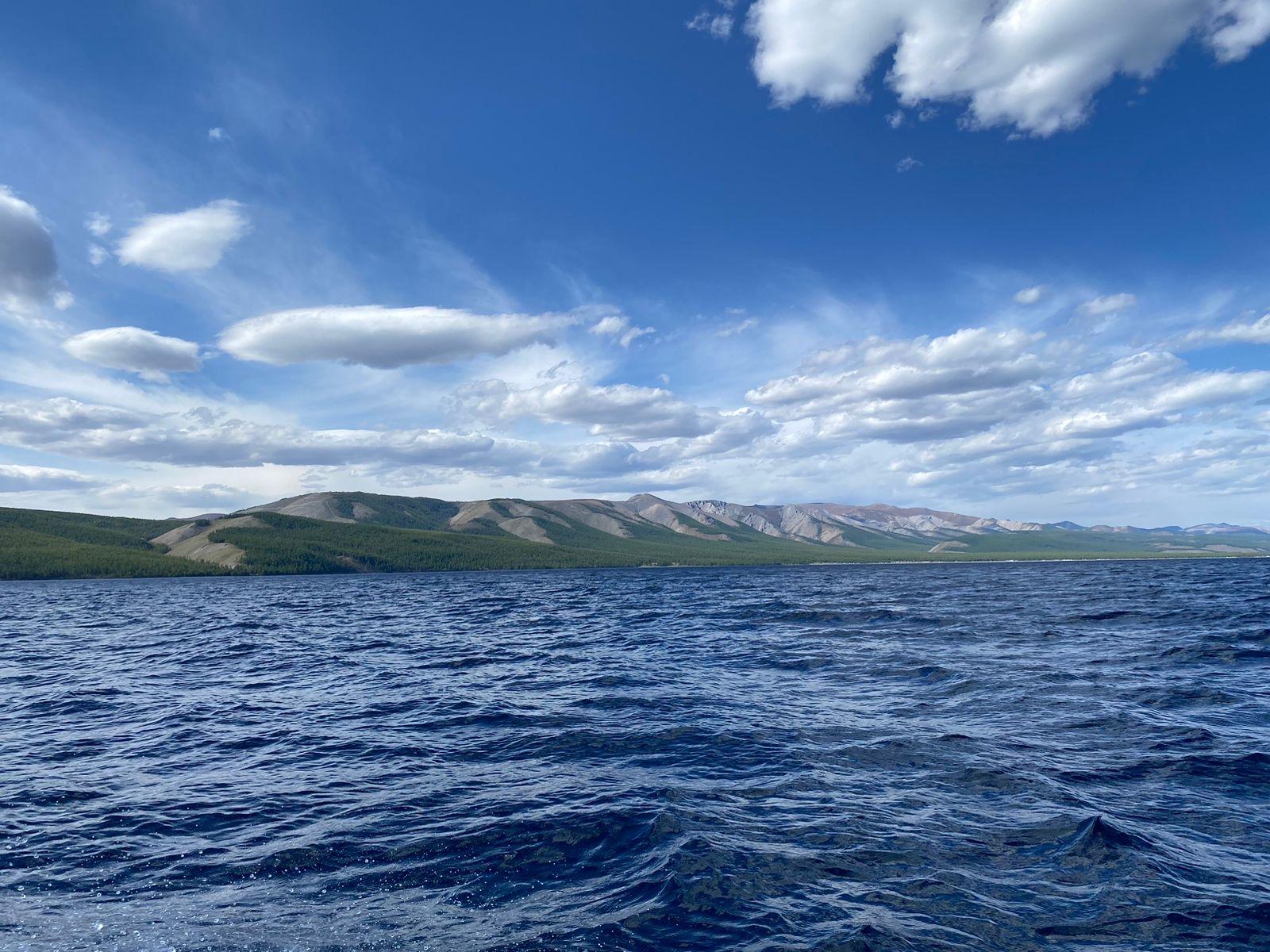
Outside of Ulaanbaatar, however, it’s not hard to run into horses, cows, sheep, and goats. I’ve also seen camels, deer, and eagles (hawks? falcons?) since my arrival in Mongolia.
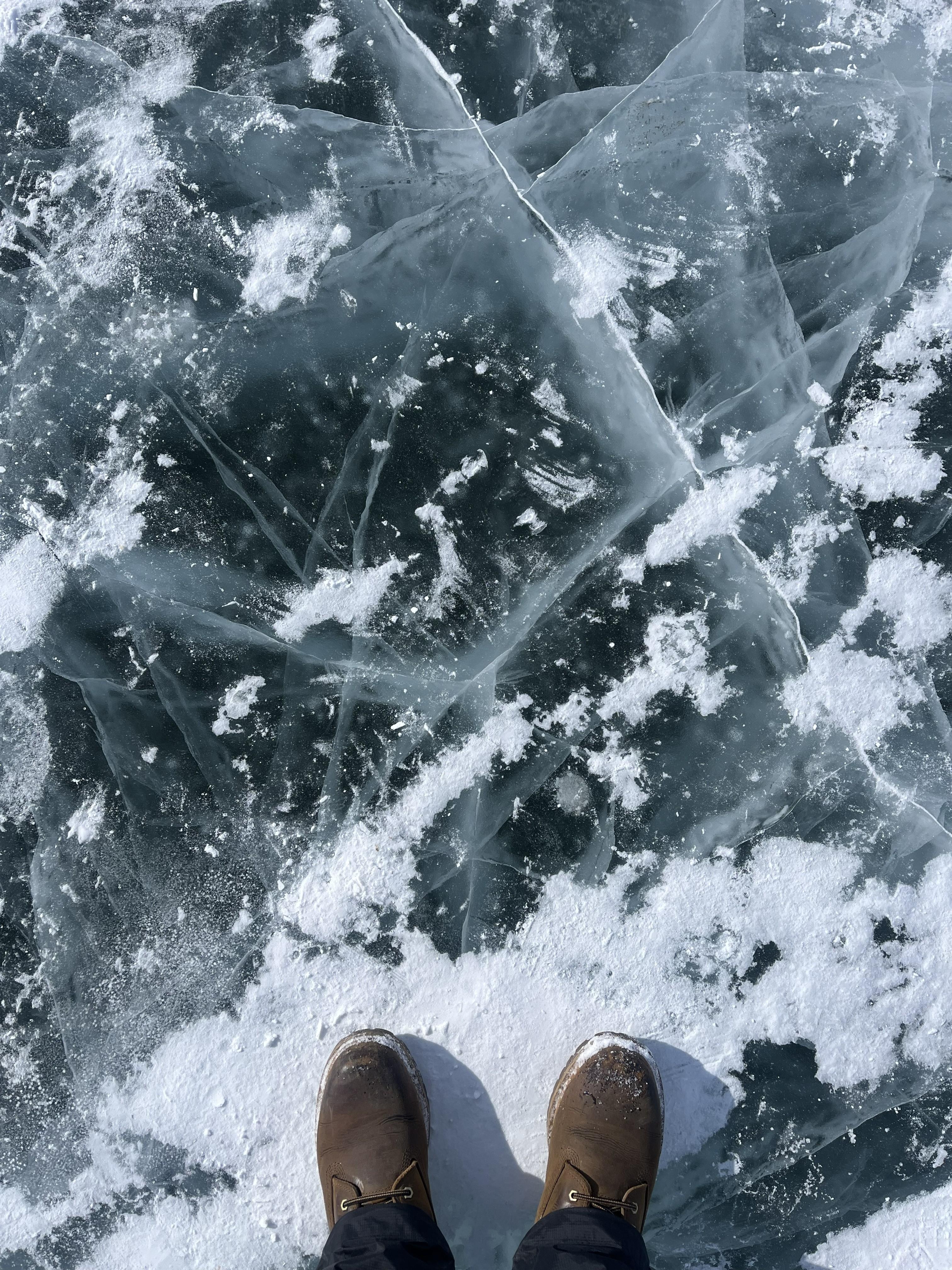
Living in the middle of a big city, it’s hard to say that I witnessed anything very exciting in nature, but it was cool to see all of the ice covering the streets slowly melt away as temperature rose.
Life in Mongolia is affected by another aspect of its geography: latitude. Being so far north of the equator, the daily duration of daylight varies greatly throughout the course of a year. In the middle of winter, the sun does not rise until as late as 9 a.m. and can fully set before 6 p.m., giving us only eight to nine hours of sunlight in a day.
However, as we enter spring and approach the summer, the sun gradually rises earlier and earlier and sets later and later each day. By the middle of summer, the sun will rise as early as 6 a.m. and won’t fully set until almost 10 p.m., giving us an abundance of sunlight everyday.