I took trains, trams, InDrives (the Uber-equivalent in Morocco), grand taxis and petit taxis around the city. While I did not take any buses, they are a good option in terms of public transport in Morocco as well.
I also visited Senegal, a country in West Africa. In Senegal, locals mainly speak Wolof or French, as Senegal was colonized by the French during the colonial period. I also saw some Arabic while traveling around Senegal as well, though I am unsure just how many people actually speak Arabic there. Similar to Morocco, Islam is the predominant religion in Senegal, though they did not have a notification for praying five times a day, every day. They did, though, have mosques and celebrated holidays, such as Ramadan. A couple of the Fulbright ETAs in Senegal shared about their fasting experience that they partook in during Ramadan. It was a fascinating story in partaking in someone else’s culture. In Senegal, they follow a concept called Teranga, or hospitality, as well. Everyone said hello to everyone else and wanted to know about you, your family, your job and overall how you and those related to you were doing. This created a great sense of community within Senegal, something that is greatly felt even in big cities like Dakar, where I was visiting.
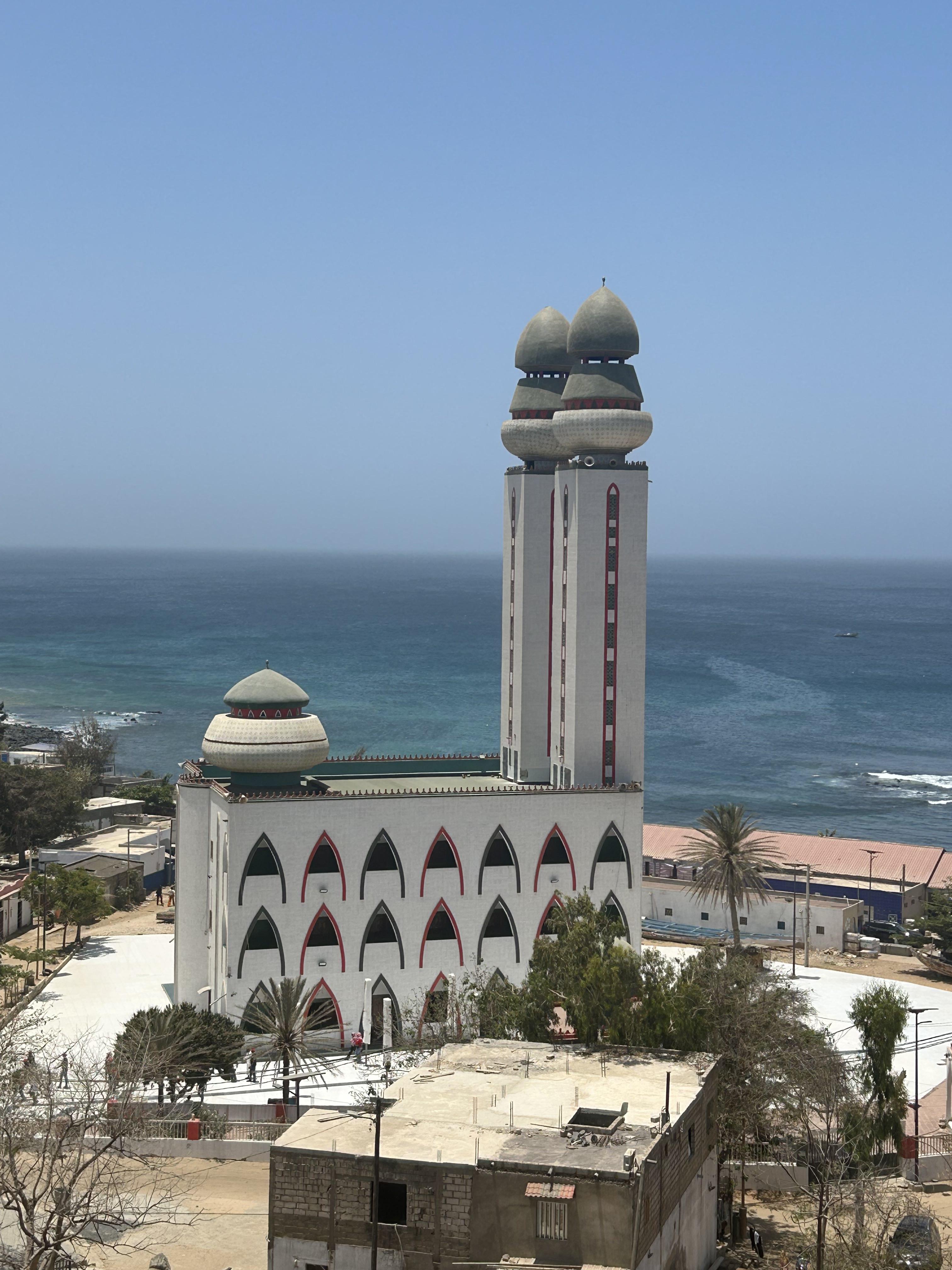
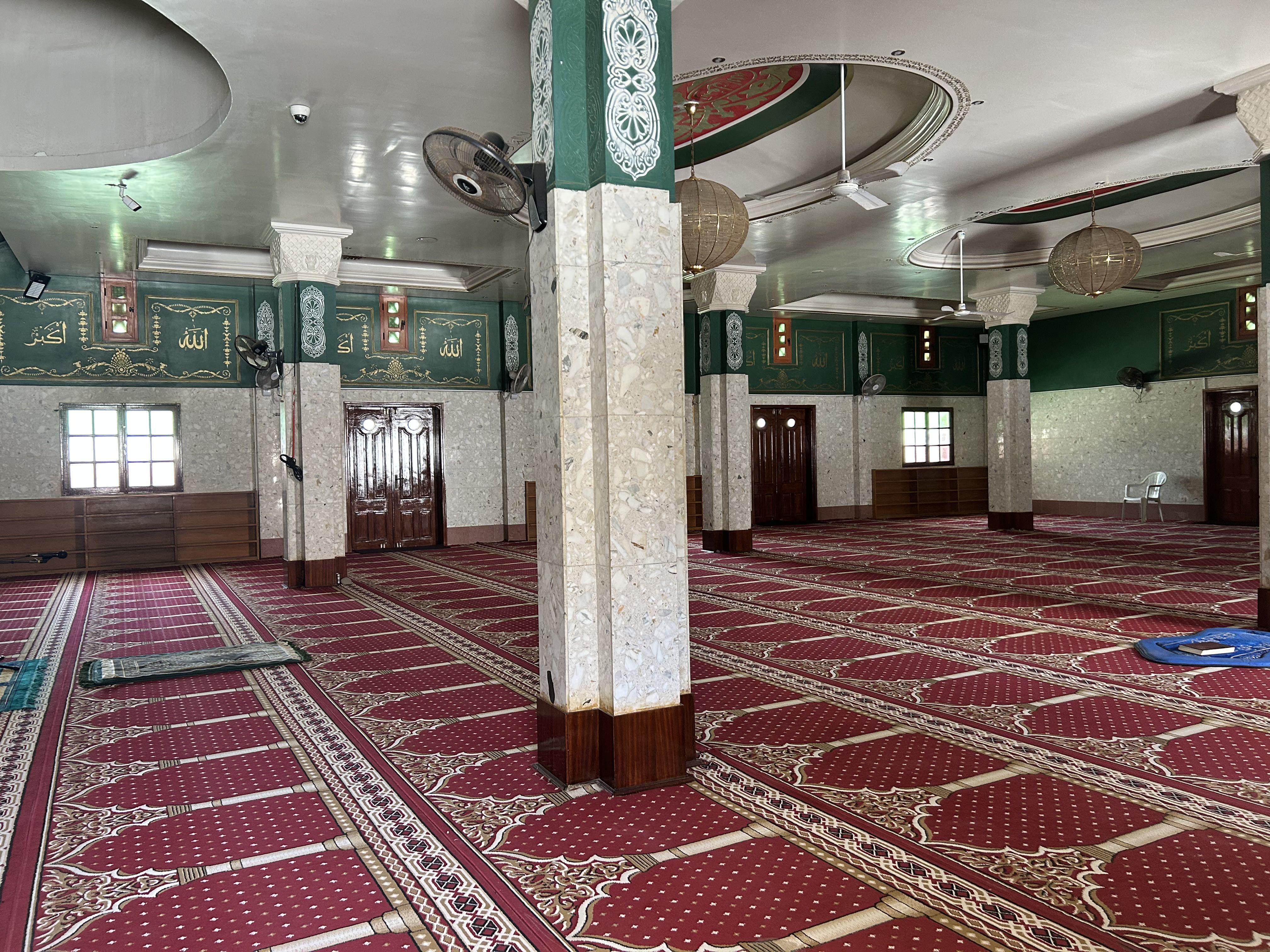
In Dakar, I visited many places, including a mosque, the Museum of Black Civilizations, the local food market called Marché Kermel, the Chamber of Commerce and the Africa Resistance Monument, a monument that was built by an architect from North Korea in 2010. Senegal borders the Atlantic Ocean as well, meaning that I also visited beaches and even an island, the island of Ngor. It is an island full of art and graffiti done by locals.