I knew it was an important dish, so I tried to eat it respectfully, even though I wasn’t sure I liked it yet. Someone told me kimchi was an “acquired taste,” and that I might grow to enjoy it over time. I didn’t believe them then—but years later, I can say they were right. Now, kimchi is the first banchan I reach for at almost every meal.
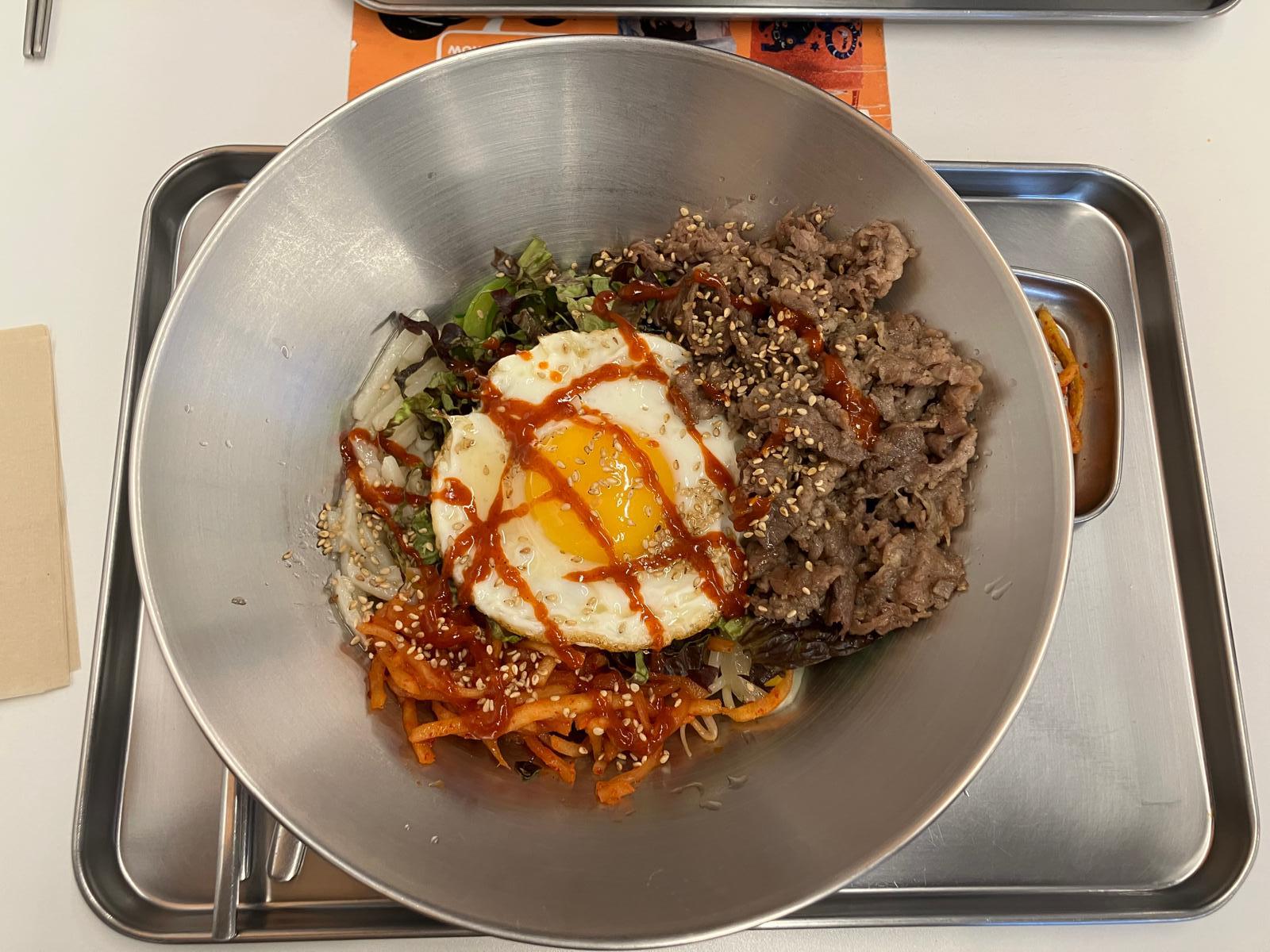
I also remember my first bibimbap in Korea. It arrived in a small, sizzling black bowl, steaming and crackling, with vegetables and egg layered inside. I had eaten a version of bibimbap in the U.S. before, but this was completely different. The first bite felt like a warm hug.
What stayed with me most was not just the taste, but the experience. We were sitting on the floor in a small, traditional restaurant in the mountains, surrounded by friends and family. I remember the movement of the ajummas preparing food, the clinking of metal bowls and the steam rising from the table. That meal became one of my strongest food memories.
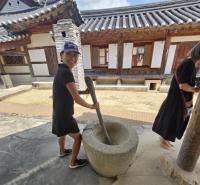
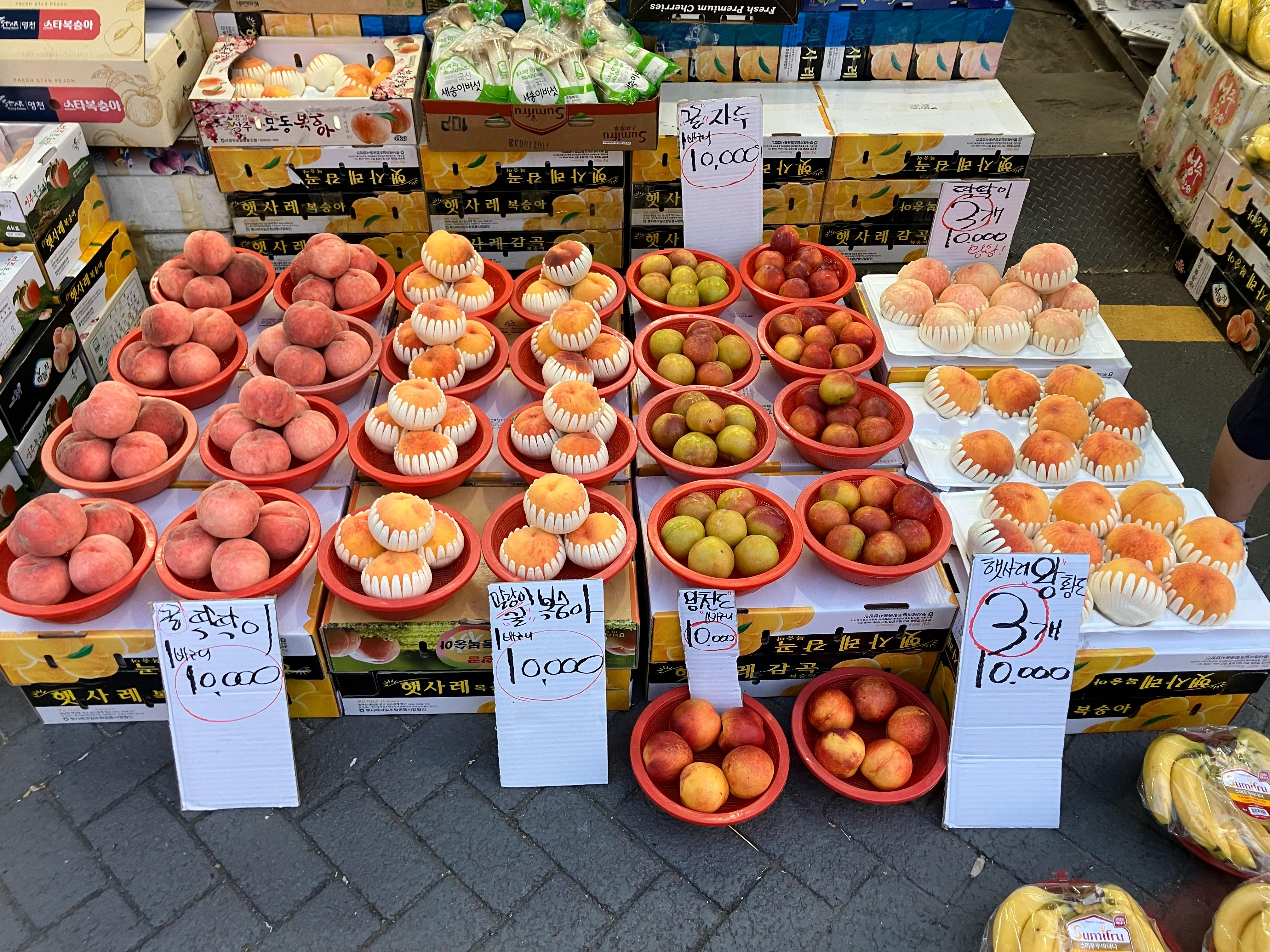
This trip, especially while eating with rural communities, makes me still sometimes feel childlike—curious, a little awkward and grateful. Being closer to where the food is grown has made each meal feel more meaningful, helping me taste not just the food itself but the care behind it.
Much of Korean food is prepared with jeong—a concept that combines care, affection, patience and long-term attention. More practically, meals often come together through several broad stages that unfold over time, rather than all at once.