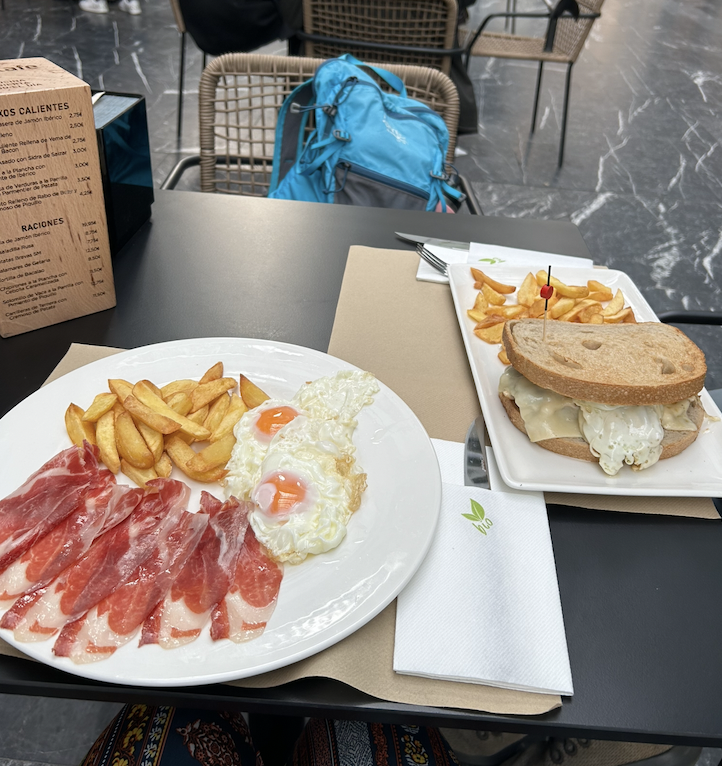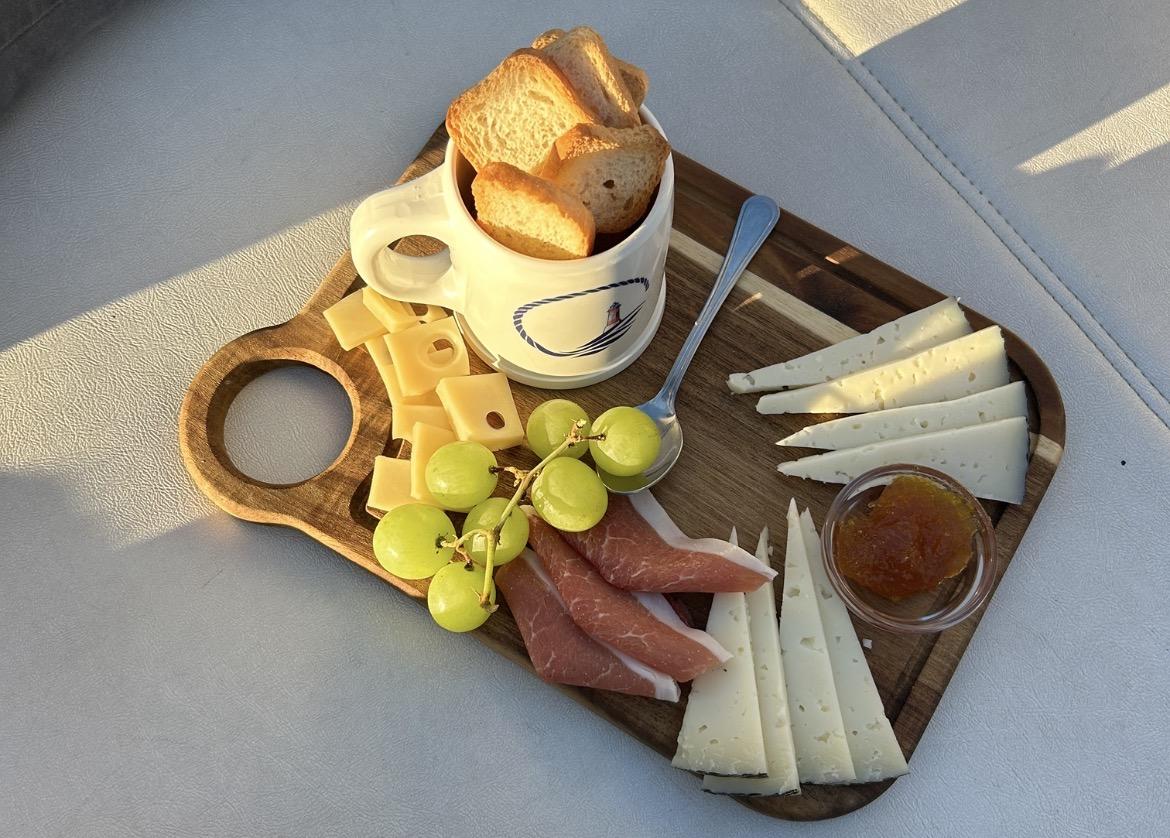
These acorns and intense exercise gives the meat a rich nutty flavor. They also use salt to air-dry the meat, and age it for at least seven months before selling it. This is different from the chemicals used to preserve most ham in America.
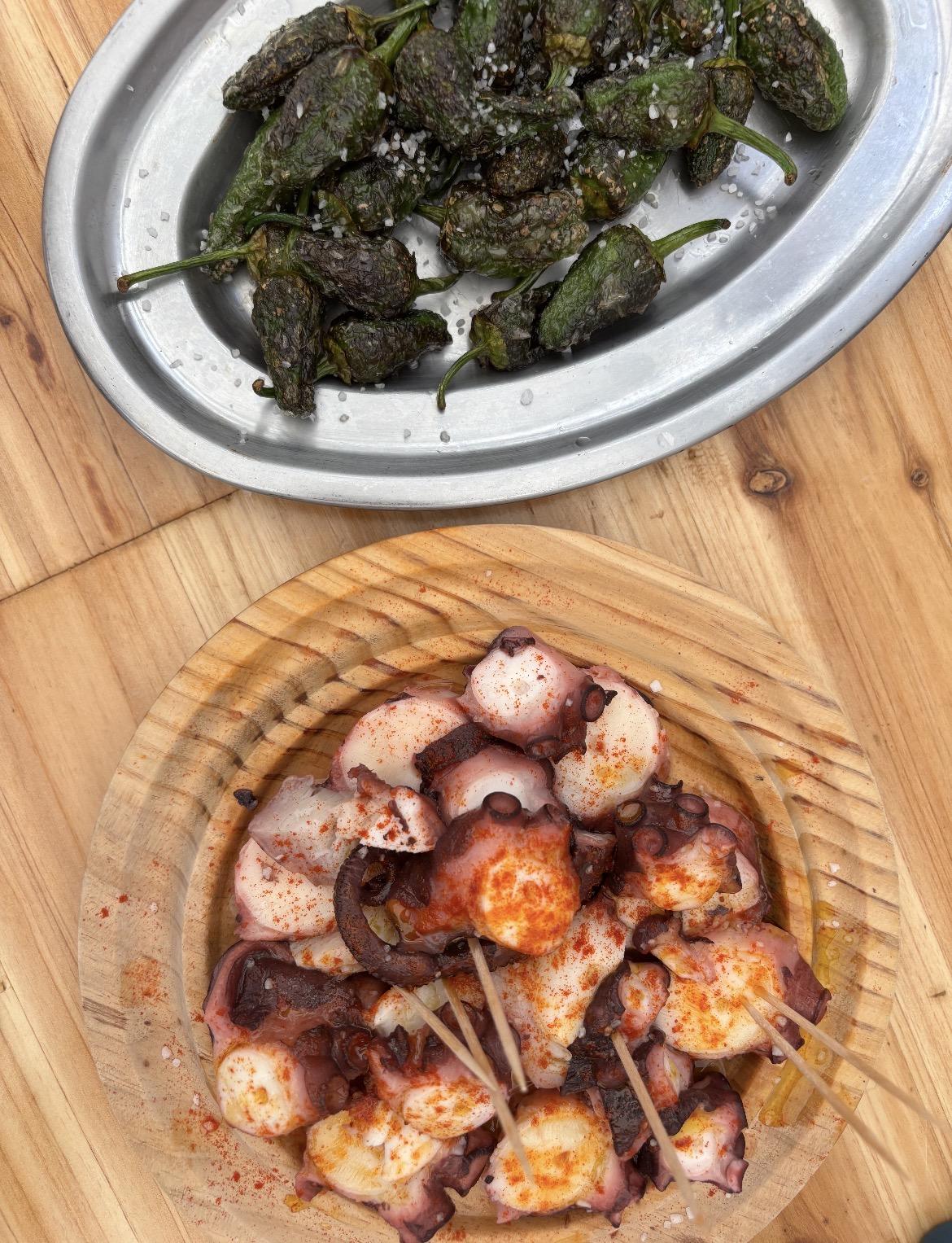
Pulpo (Octopus) is another important food that is found from within their local environment. I live in Vigo, a city next to the Atlantic ocean, which is known for its octopi. Because wind pushes warm waters out to sea, and causes cold waters with lots of fish and seafood to rise to the surface along the coast, the octopi (who are apex predators) swim in to eat these organisms. Because of how windy it is, the octopi use their muscles a lot to move and to open clams and shells. This exercise makes their muscles bigger and stronger, giving them the texture that they are known for in Spain.
Now, let me have one science teaching moment for a second: Right now, with climate change, waters are getting warmer. This means that the octopi who live and hunt in cooler warmers are migrating (leaving) the coast. Now, these octopi are moving to cooler waters near the UK. This has made it really hard for the fishermen who make a living selling octopi here. This is also making it harder for people to buy pulpo in Spain. This means that climate change is not just impacting the animals and the people, it is also impacting the culture.
It has been so fun trying new foods in Spain. It has been more fun, however, to learn about the meaning behind the food and how it plays a role in the culture. This week, when you are eating your breakfast, lunch, snacks and dinner, I want you to think about what that food means to you.