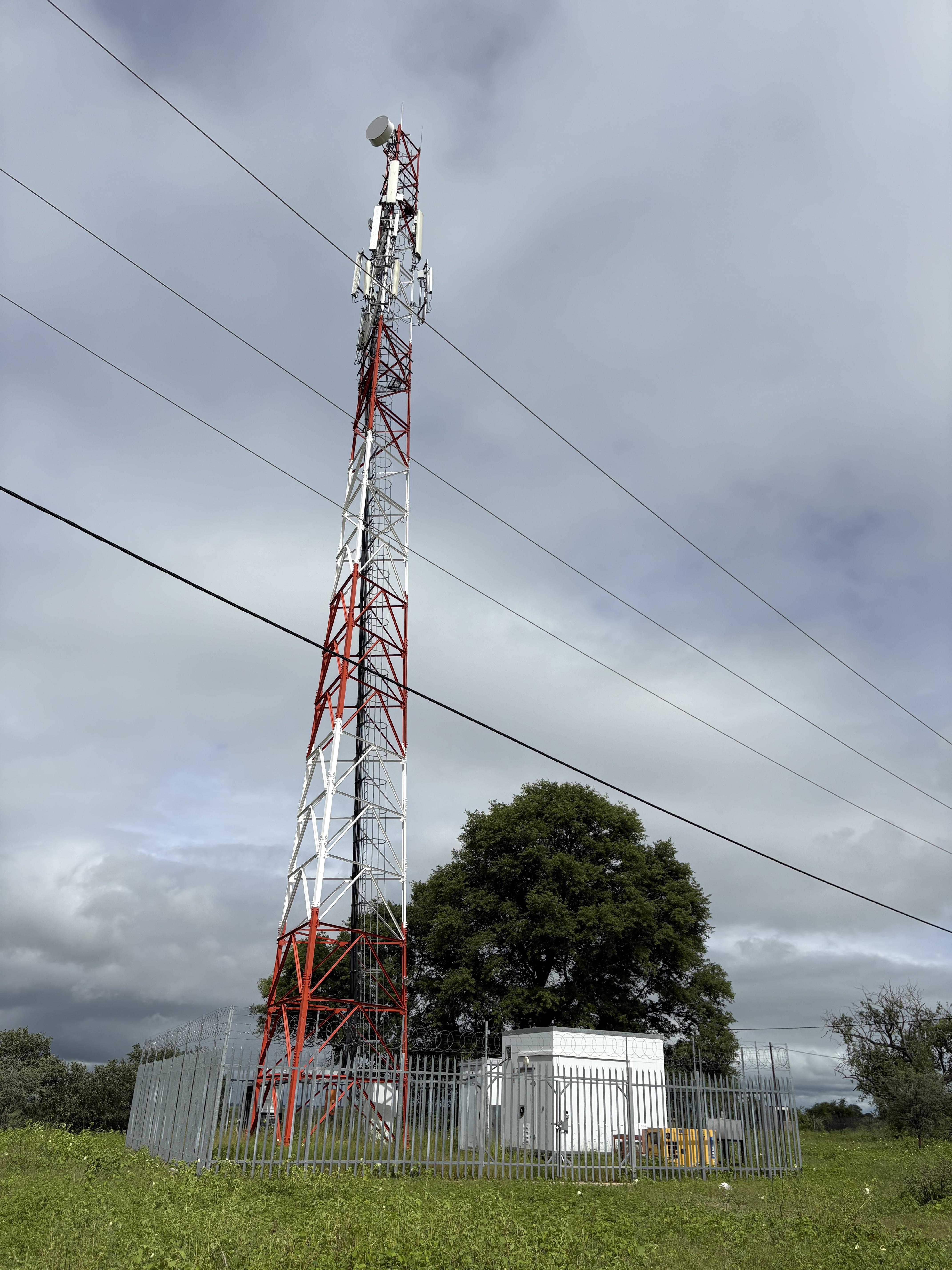
We had to wait for electricians from the neighboring country of South Africa to come and fix the problem! Luckily, my host mom helped me out and cooked me some meals over the fire. I think everything tastes better cooked over a fire!
My village is located in one of the most remote regions of the country. There are no paved roads. Before 2019, people who lived on this side of the river had to take a ferry to get across to the other side. This ferry often broke down. Most families are subsistence farmers, which means they grow food mainly to feed their own families. This is helpful, but sometimes there is not enough variety of food, especially fruits and vegetables. Because the grocery store is far away, people often eat what is easiest to find.
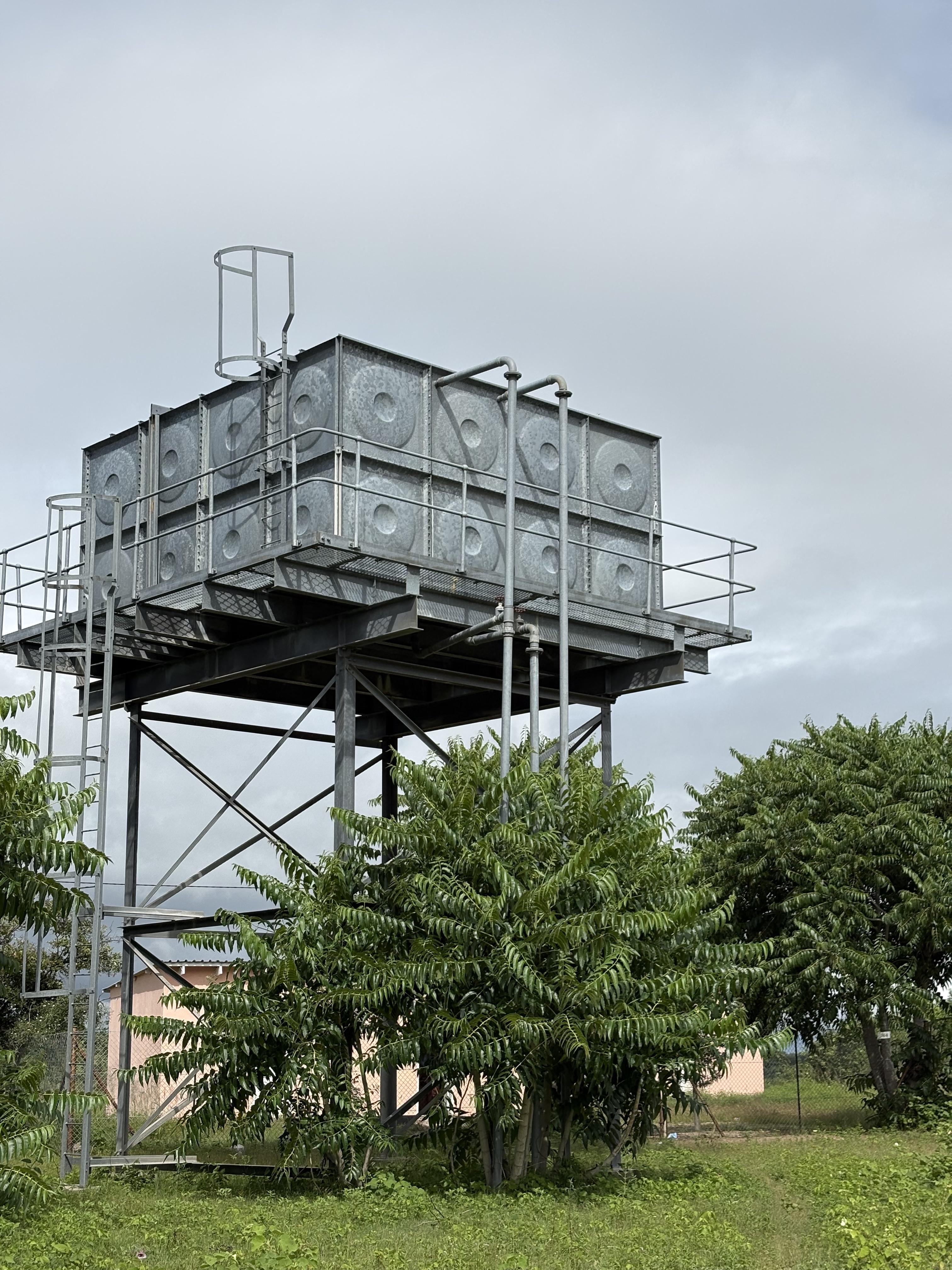
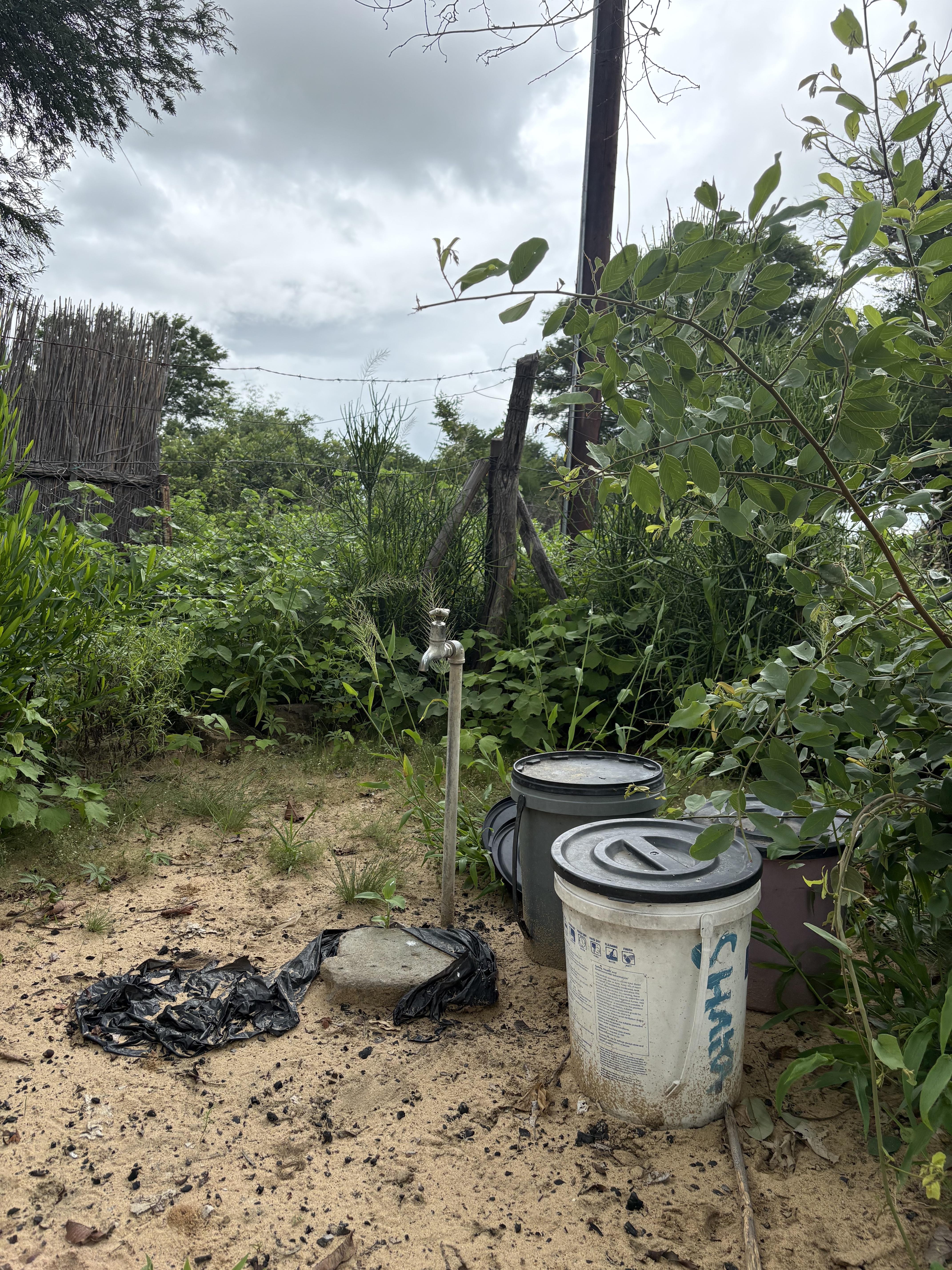
Borehole water is typically safer to drink than river water. By providing public taps, the Botswana government is empowering people to live healthier lives.
Electricity is the least needed by people in my village, who continue to live in the traditional Tswana way. All their needs can be met with the natural resources around them. It is refreshing to be with people who don’t rely on electricity to get by day to day--it’s kind of like always camping!
This need for food is being met in some ways, but not completely. Families grow crops and keep animals, and communities share food with one another. However, more people are getting chronic illnesses (illnesses that don’t go away) like diabetes and high blood pressure. Eating healthy foods, like vegetables and fruits, can help prevent or reduce these illnesses.