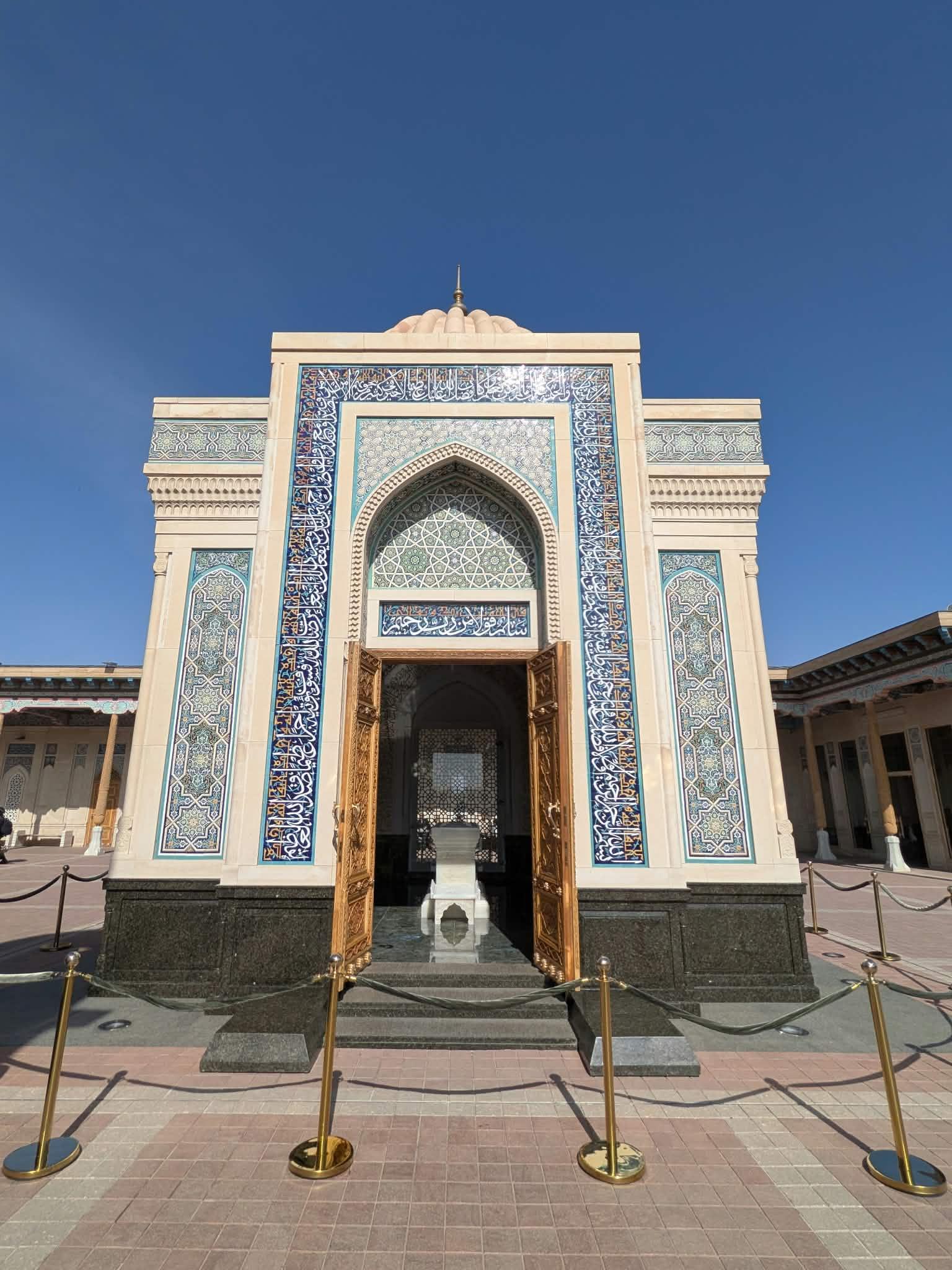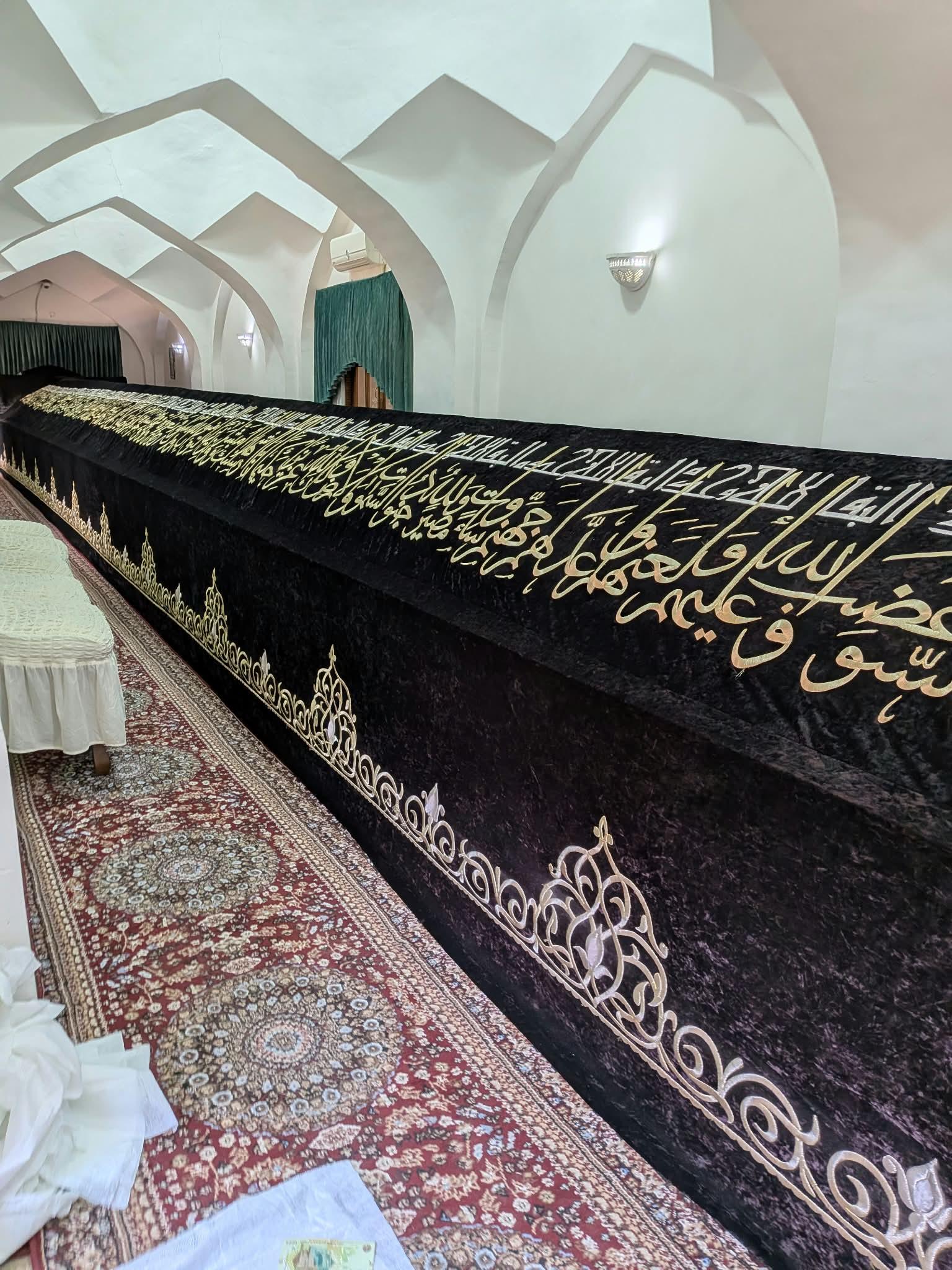
Today I want to talk about Samarkand, but also Central Asia more broadly. I want to peel back the layers a bit, use a few different lenses, and examine some of the famous monuments and personalities that define this city in particular and the region more broadly.
Let’s start with geography. Central Asia is vast. It encompasses the countries of Kazakhstan, Kyrgyzstan, Uzbekistan, Tajikstan, and Turkmenistan. Sometimes, Afghanistan and western China (Xinjiang) are also included. Much of it is uninhabitable—frozen steppe in the north of Kazakhstan, and boiling deserts across much of Uzbekistan and Turkmenistan. What are inhabitable are the rivers that flow across this landscape, rivers that begin in the Tien Shan mountains on the border with China. These rivers are the Syr Darya (the northern one) and the Amu Darya (the southern one), which flow from the east to the Aral Sea in the west—or at least they used to (we’ll cover this more in later weeks). The people who live along these rivers speak a mix of Turkic and Indo-European—specifically Iranian and Russian—languages. Control over these rivers, and the agriculture they provide, animates a lot of modern geopolitics here.
But these rivers were once known by other names, and that brings us to the history of this region. They were once respectively the Jaxartes and the Oxus, boundaries of the known world in ancient times, beyond which only snowstorms and savage Scythians could be found. And this brings us back to Samarkand, situated in the heart of this region. I wanted to choose Samarkand to write about first not because it’s a perfect representative of Uzbek culture (Fergana, Qarshi or Tashkent would be a better fit for that), but because it neatly encapsulates the history of Uzbekistan and Central Asia.