These beans are planted in a space that is protected from plant-eating bugs, wind, rain and cold. There are also indigenous traditions that are followed so that planting is successful, such as waiting until there is a full moon to plant the beans. Even with all of this protection, they take months to grow into a plant.
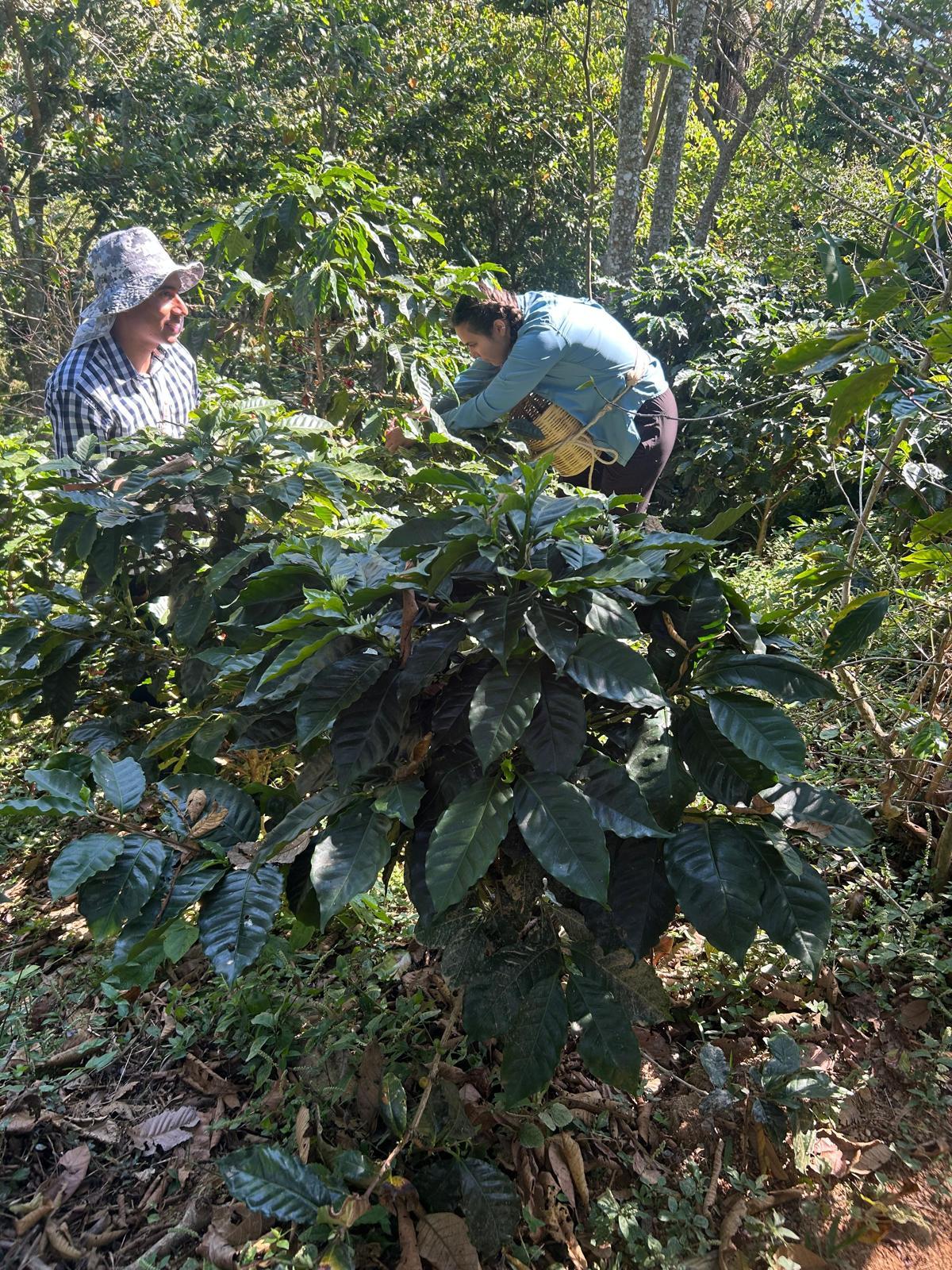
When the plant is big enough, it is moved to the plantation. The soil of the plantation is fertilized with animal poop—especially guano (bat poop)—and rotting vegetables. As the plants grow into bushes, farmers need to check them constantly to make sure there are no bugs eating them or fungi infecting them. They slowly produce more and more coffee beans until it is time to start harvesting.
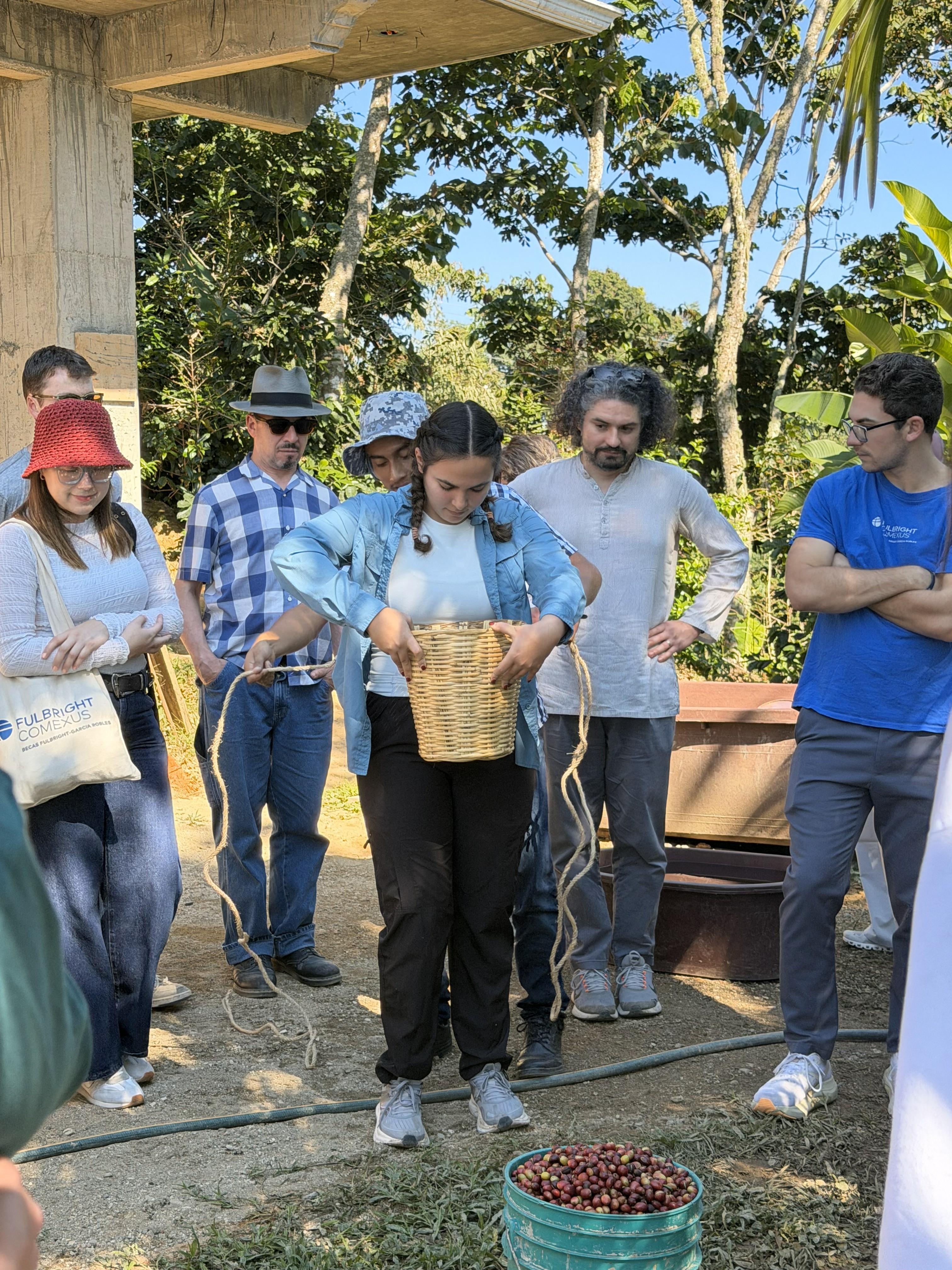
Harvesting good quality coffee is hard work! At Pluma Hidalgo, you tie a basket to the front of your body and individually pick the coffee beans that have turned red. The ones that are still green are not ready yet, and you will have to come back for them later. When you rip the beans off of the bush, you have to be careful. If you accidentally rip off the little branch holding the bean, the next year it will not produce coffee anymore. All in all, you have to pay close attention to your task and do a lot of walking, tip-toeing and bending down to get the beans!
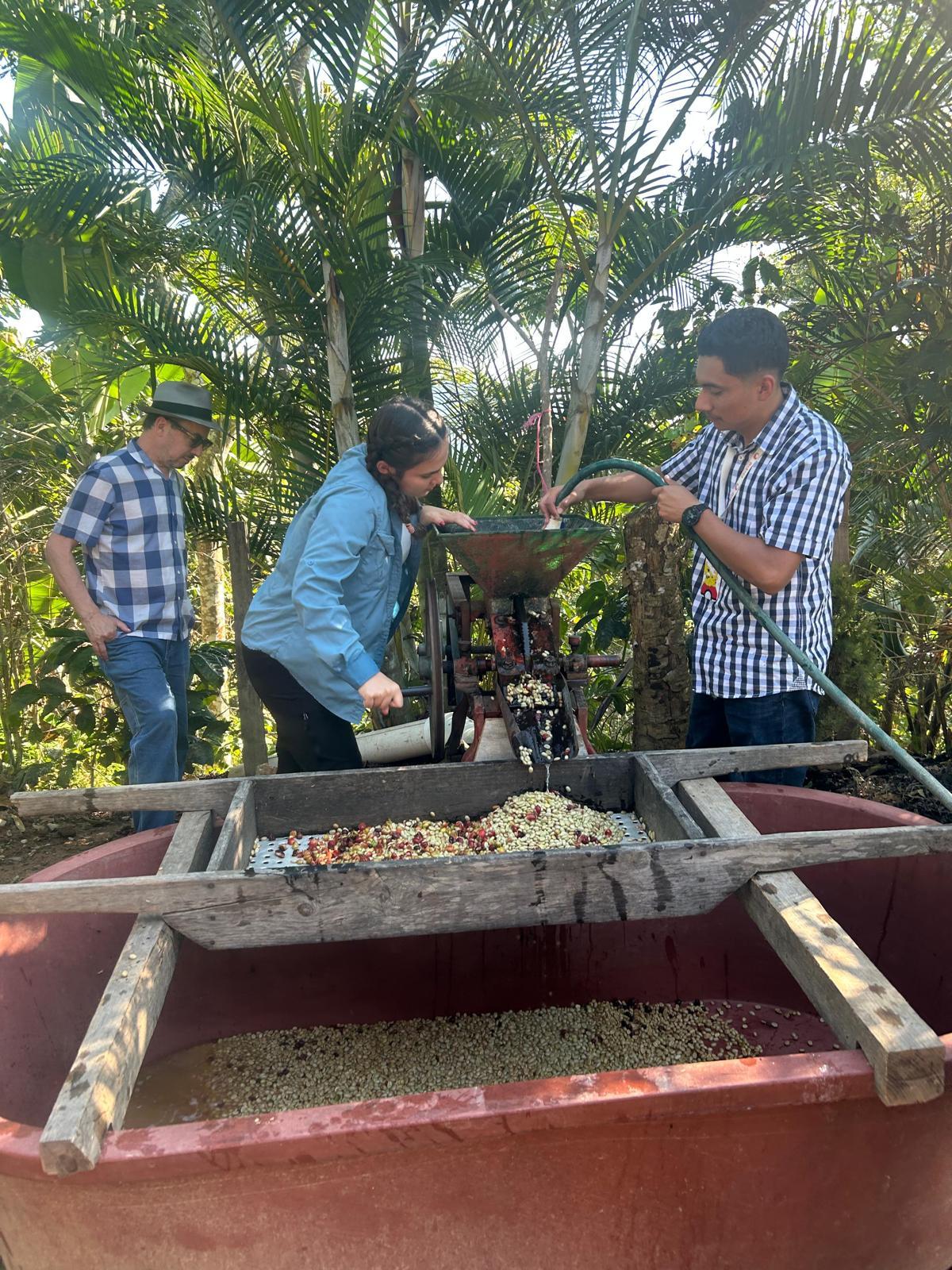
Once your basket is full of beans, you dump it into a big bucket with water. The beans that sink are good, and the ones that do not are bad. After you remove the floating beans, you take what is left to a machine that crushes the red skin to reveal two seeds. These seeds are the coffee! You use a huge strainer to separate the seeds from the skins.