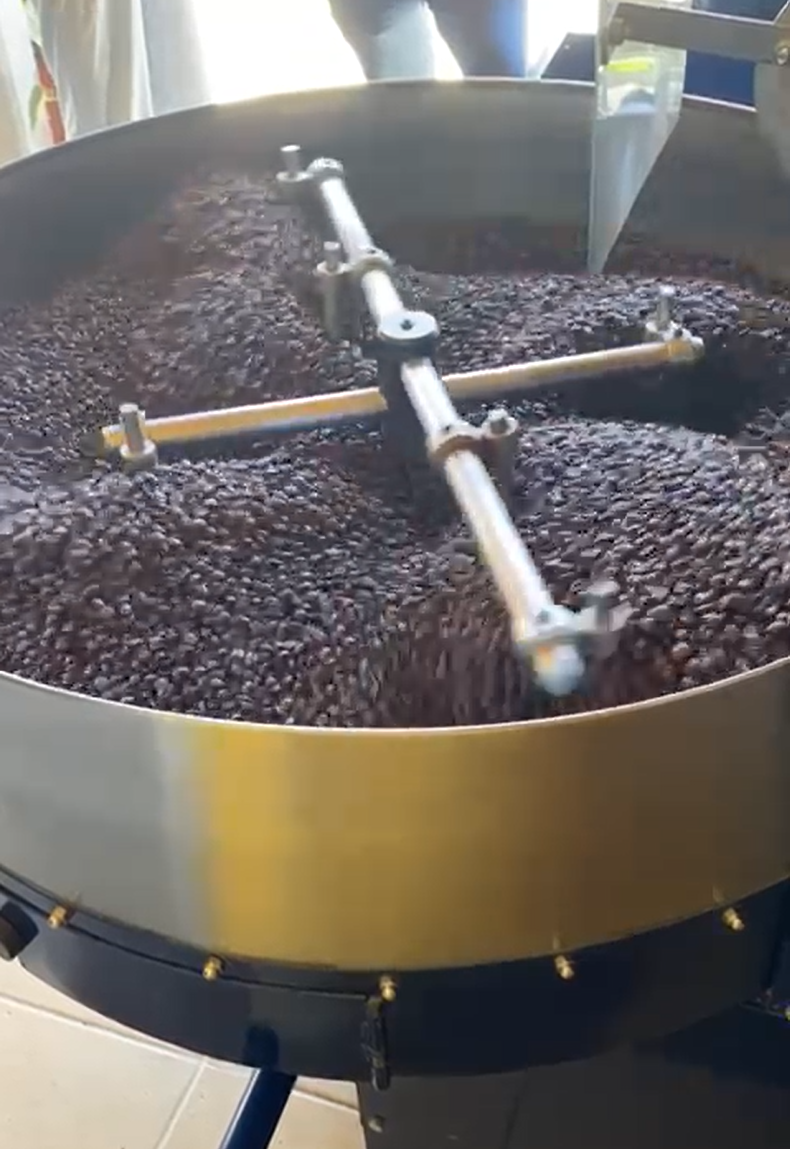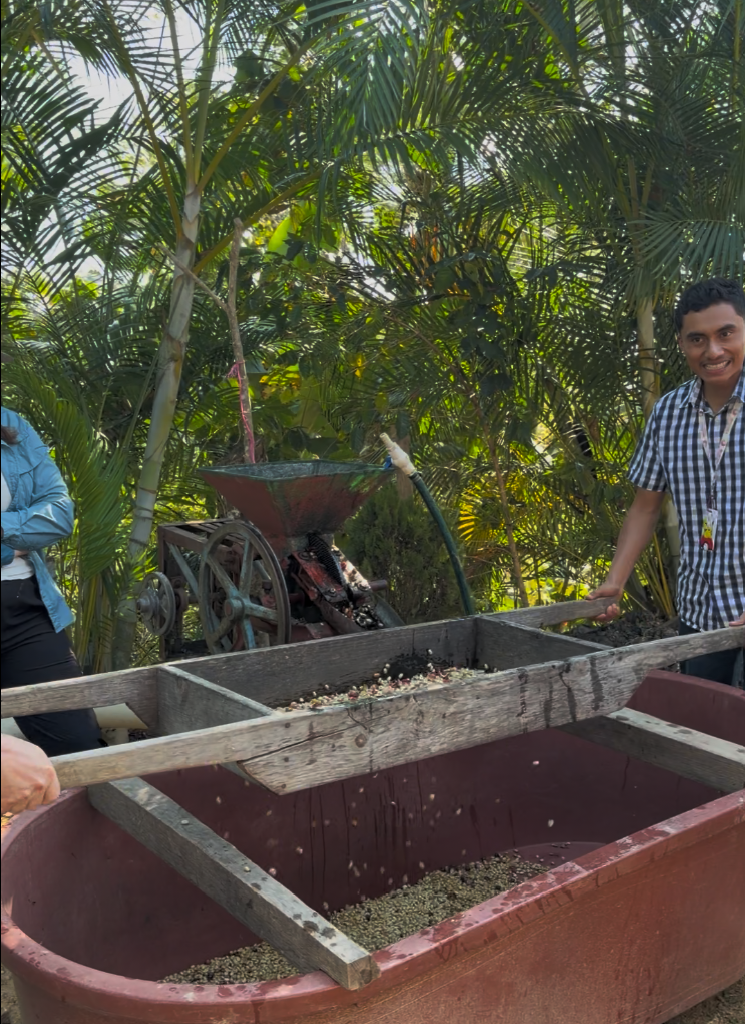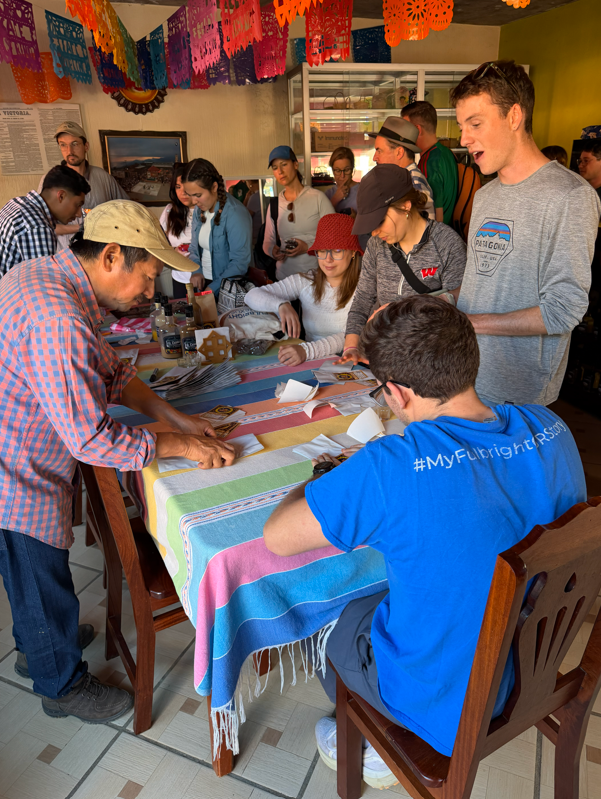
These seeds are then dried under the sun for days before being packaged and sent for roasting! It is only after ALL OF THIS that you and I get to enjoy a little frappe!
For a long time, the main export (goods sent to another country) from Oaxaca was clothing. Indigenous people in the area had a wonderful tradition of embroidery, which they are still famous for today, and people all over the world wanted clothing made in Oaxaca. This changed when Europeans started getting clothing from Asian countries. All of a sudden, Oaxaca had nothing to export!
This is when the government got involved. There were a lot of unsuccessful attempts to start coffee plantations in Oaxaca. It was not until the late 1880s that it worked out, and hundreds of coffee plantations got started. One of them was Pluma Hidalgo! This plantation has been in the same family for five-generations, meaning the current owner is the great-great grandson of the man who started the business.
Sadly, many of these coffee plantations are not operating today. Our tour guide explained that many kids do not want to work on their family's land because it is physically tough. They also dream of moving to bigger cities with more people and opportunities. It is good to question why things like this happen. Should farmers be paid more for their work so that they keep wanting to do it? What will we do if no one wants to grow coffee anymore? How do big companies like Starbucks or Folgers affect small plantations like Pluma Hidalgo?