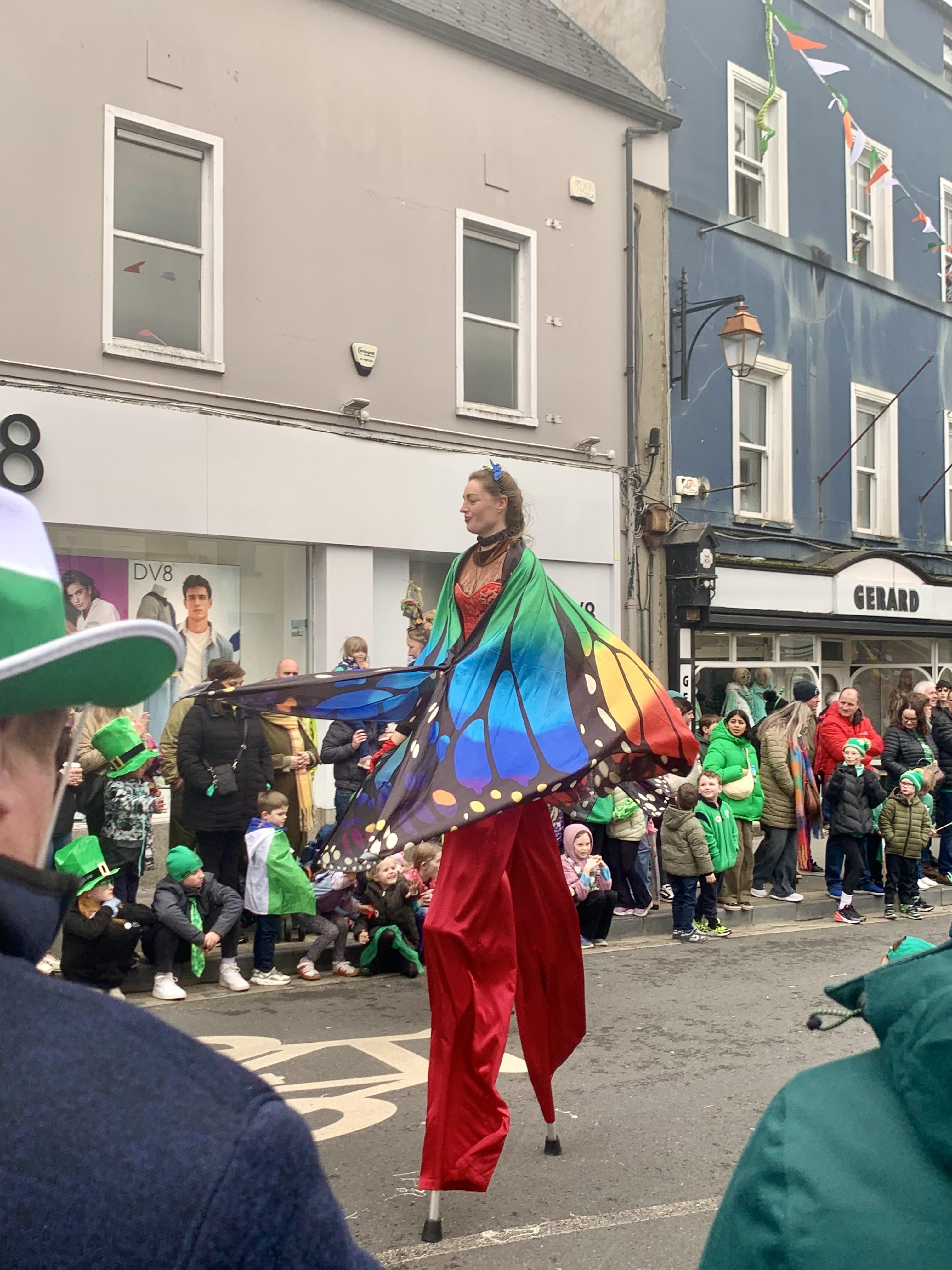
Patrick, while not the first Christian missionary in Ireland, had a mission to convert the people of Ireland to Christianity. He, himself, was not Irish, but possibly Scottish or Welsh. Today, Ireland has reclaimed many symbols associated with St. Patrick, such as the shramrock (3-leafed clover) and the snakes themselves. It was a joy to see them slivering across the road in Kilkenny. Today, St. Patrick's day, more than anything, is a day to celebrate Irish culture and community.
This continues through the month of March, but is especially prevelent leading up to Paddy's Day through a Ireland-wide language festival called Seachtain na Gaeilge (Irish Language Week), but it actually lasts from March 1-17th.
Hurling and the Gaelic Athletic Association (GAA)
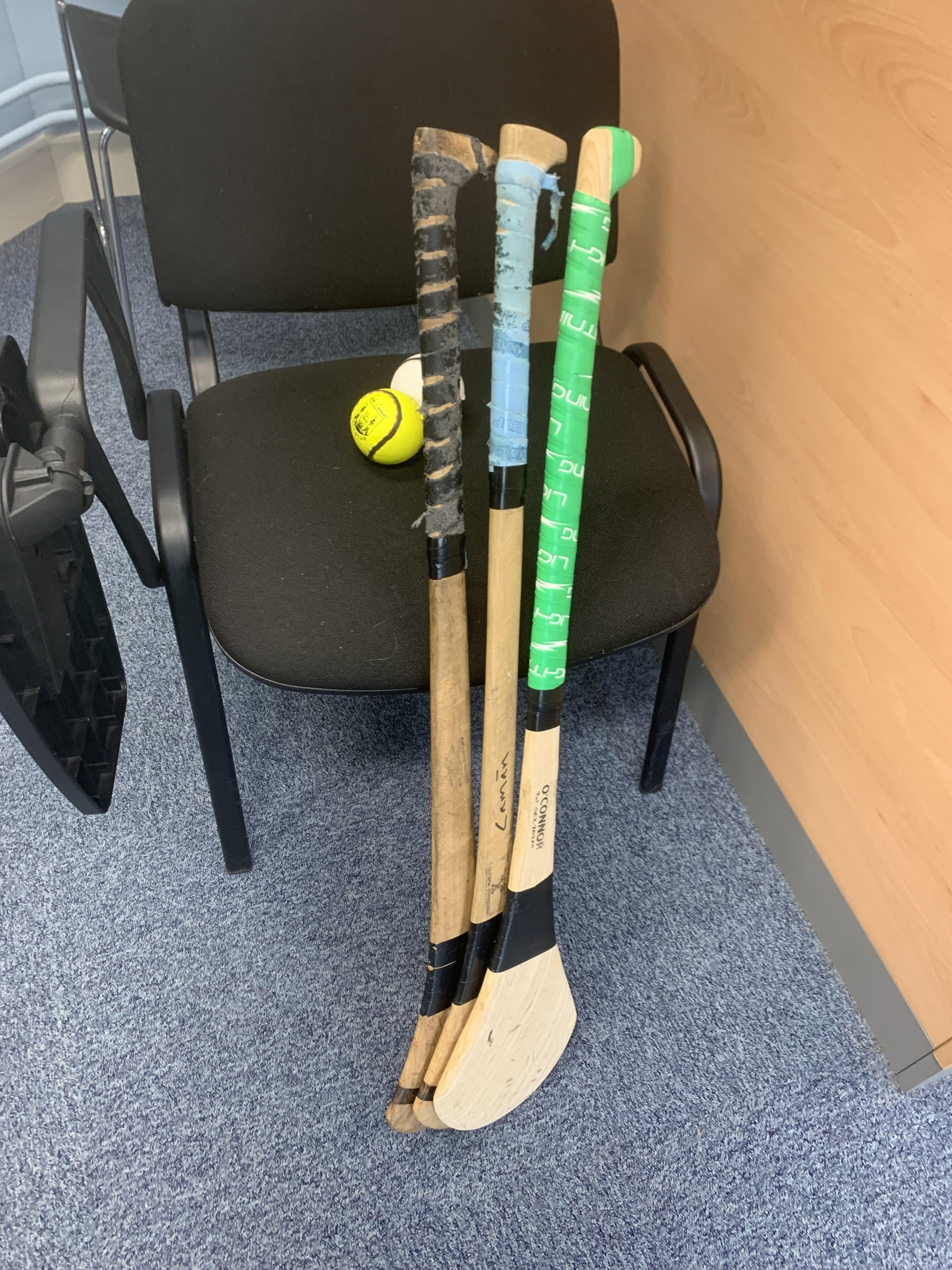
Hurling is very important as it is the official sport of Ireland. Hurling and Camogie (the same sport but played by women) have a long history in Ireland, having archeological evidence as early as the 12th century, but likely existed in some variation before written history, even being incorporated into Irish folklore and oral history. Today it is still widely played at all levels. The All-Ireland Hurling Final is an international sensation every year, and is especially important for members of the Irish diaspora (or Irish decendents).
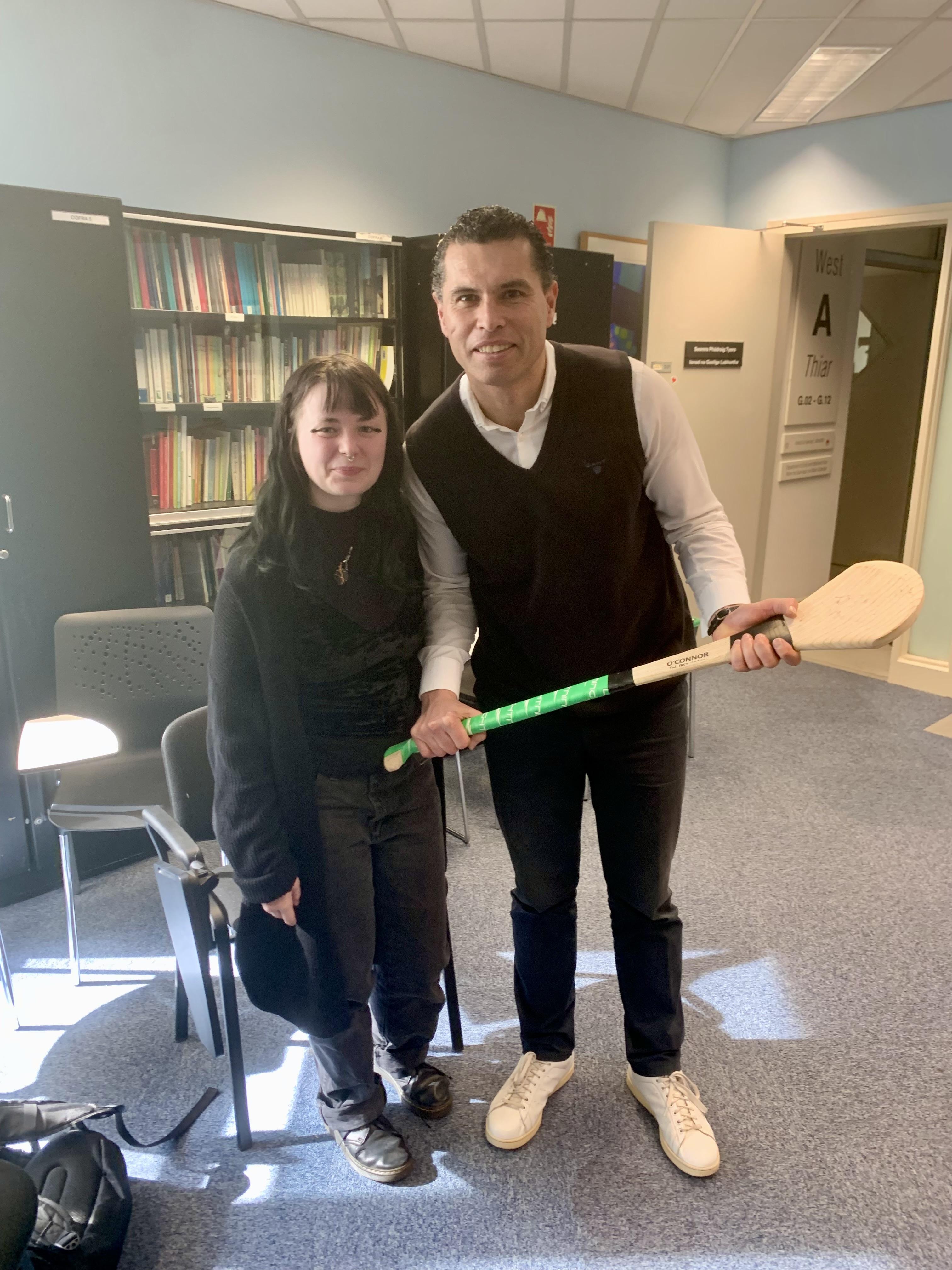
I was very lucky recently to meet Seán Óg Ó hAilpín, famous Cork hurler, when he came to give a lecture to our Irish language class. He is half Irish and half Rotuman (Island off of Fiji). He didn't move to Ireland until he was around 12, so he was behind many of his fellow classmates who started playing Gaelic Football and Hurling as early as 6-years-old!